
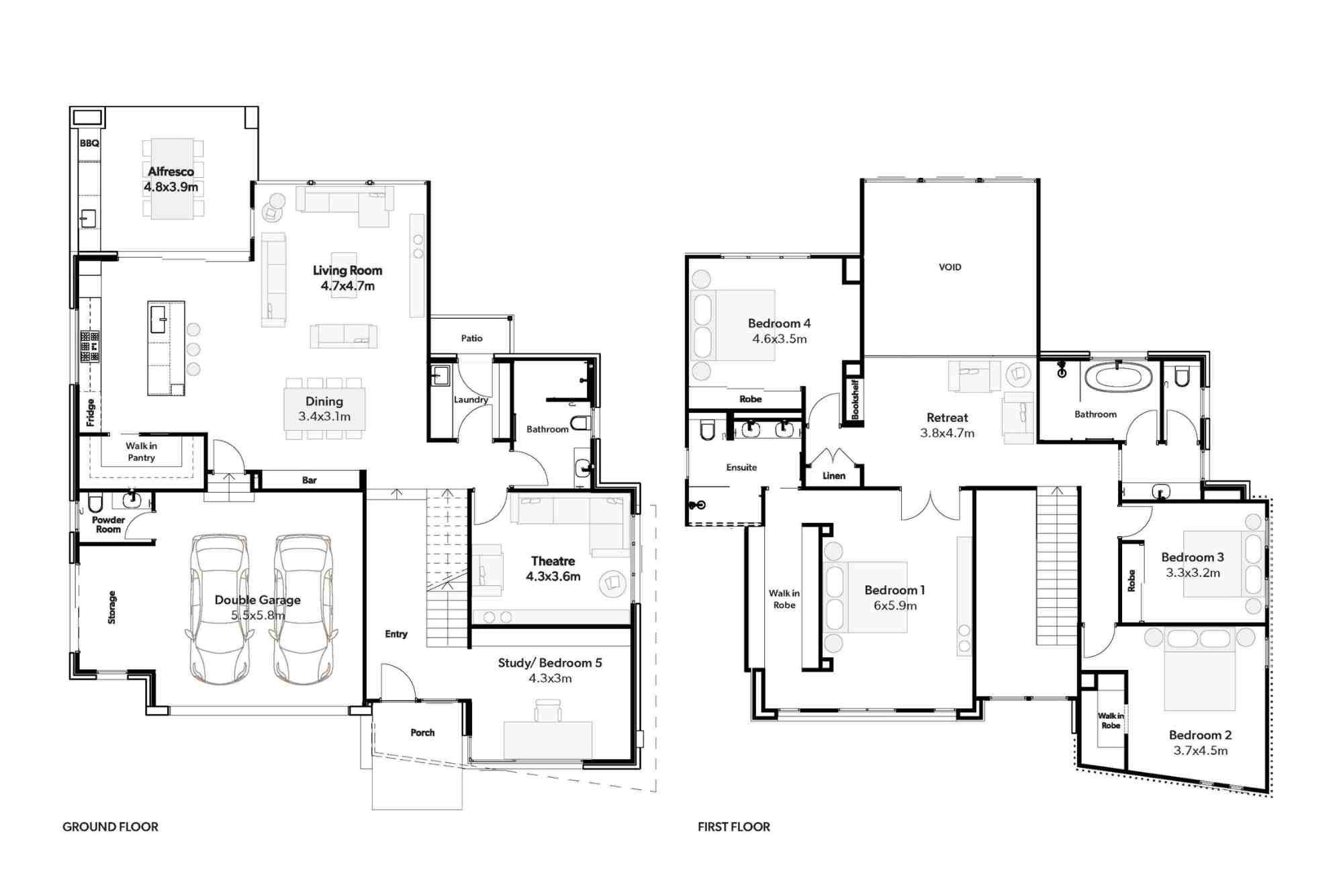
Two Story Home Floor Plans: Space Maximization and Style
Two story home floor plans have become a top choice for homeowners who value both functionality and design. They offer the perfect balance between space optimization and architectural elegance. Whether you’re building your first home or upgrading to a larger one, understanding how to make the most of a two story layout can transform your living experience. These designs not only provide more room on the same plot of land but also create opportunities for style, privacy, and flexibility.
Why Choose Two Story Home Floor Plans
The primary appeal of two story home floor plans lies in their ability to maximize limited land space. In today’s housing market, where land prices are continuously rising, building vertically rather than horizontally makes perfect sense. By expanding upward, homeowners can double their living area without needing additional land. Beyond practicality, two story homes often exude a sense of grandeur, offering aesthetic appeal that single-story homes sometimes lack. Tall facades, elegant staircases, and high ceilings contribute to a timeless look that suits both traditional and contemporary tastes.
Moreover, a two story layout allows for clear separation between public and private areas. The ground floor typically houses shared spaces like the living room, kitchen, and dining area, while the upper level is reserved for bedrooms and personal retreats. This design enhances both comfort and privacy, particularly for families with children or guests.
Maximizing Space in Two Story Home Floor Plans
When planning a two story home, the key is efficient space utilization. Every square foot should be functional without compromising aesthetics. Open floor concepts work wonderfully in such layouts. By removing unnecessary walls, the space feels larger, airier, and more connected. This design strategy encourages natural light to flow throughout the home, creating an inviting atmosphere.
Smart storage is another essential aspect of space maximization. Incorporating under-stair drawers, built-in cabinets, and vertical shelving can reduce clutter and keep your living areas organized. Multi-purpose furniture—such as foldable dining tables or convertible sofas—also helps create a flexible living environment, particularly in smaller two story homes.
Another strategy is to plan for future adaptability. As families grow, needs evolve. Including spaces that can easily transform—like a guest room that later becomes a study—adds long-term value. Similarly, ensuring that the layout allows for easy access between floors, perhaps with a wide staircase or even a provision for an elevator, makes the home functional for all life stages.

Style and Design Ideas for Two Story Homes
Designing a two story home involves more than just stacking one floor over another. It’s about creating harmony between form and function. The exterior design plays a huge role in defining the home’s character. Contemporary two story homes often feature sleek lines, large windows, and minimalist materials like glass, steel, and concrete. Meanwhile, traditional designs may emphasize brickwork, wooden details, and gabled roofs.
Inside, the choice of color palette, materials, and lighting can greatly influence the home’s ambiance. Light, neutral colors on walls and ceilings make rooms appear more spacious. Using similar flooring materials across both levels creates visual continuity. High ceilings in the entryway or living room enhance openness and grandeur, while well-placed windows or skylights bring in natural light.
Functional Zoning for Better Living
Zoning is the secret ingredient to a successful two story home design. Dividing the home into functional zones helps optimize traffic flow and comfort. Typically, the lower level includes communal areas such as the kitchen, living room, dining area, and sometimes a guest suite or office. The upper floor is dedicated to more private spaces like bedrooms, bathrooms, and family lounges.
This separation not only ensures peace and quiet but also allows each floor to serve a specific purpose. For instance, if you work from home, having an office on the upper level can help reduce distractions. Conversely, if you entertain guests often, keeping all social spaces downstairs maintains privacy for family members.
Open Concept vs. Traditional Layouts
Two story home floor plans can follow either an open-concept or traditional layout depending on your preferences. Open-concept layouts combine living, dining, and kitchen spaces into one expansive area. This promotes interaction, visibility, and better natural light distribution. Families with young children often find this layout convenient since parents can keep an eye on kids while cooking or working.
Traditional layouts, however, maintain defined boundaries between rooms, offering more privacy and sound control. This can be advantageous for families who prefer quiet spaces or host frequent gatherings where guests and family members might occupy different areas simultaneously.
Integrating Indoor and Outdoor Spaces
An important trend in modern two story homes is the seamless connection between indoor and outdoor living. Incorporating large sliding doors, balconies, or covered patios helps blend the two environments. This design not only enhances ventilation but also visually extends your living area.
Balconies on the upper level can serve as private retreats with scenic views, while ground-floor patios create perfect spots for family gatherings. Landscape design also plays a vital role—using greenery, pergolas, and ambient lighting adds charm and tranquility to the overall aesthetic.
Energy Efficiency in Two Story Home Designs
Building a two story home provides opportunities to improve energy efficiency. With proper insulation, window placement, and ventilation strategies, these homes can be more energy-efficient than single-story structures. Placing living spaces where they receive the most natural light reduces the need for artificial lighting during the day. Cross-ventilation can keep interiors cool in warm climates, minimizing air conditioning use.
Moreover, integrating solar panels on the roof or using double-glazed windows can significantly cut energy costs. The second floor often benefits from better airflow and light, making it ideal for bedrooms or study areas that need comfort and calm.
Modern Features to Include in Two Story Home Floor Plans
Modern two story homes blend practicality with sophistication. Popular features include open staircases, double-height living rooms, and integrated smart home systems. Open staircases act as architectural focal points and enhance light flow between levels. Double-height spaces, particularly in living rooms, create a dramatic and luxurious effect.
Smart home systems, meanwhile, elevate convenience by allowing homeowners to control lighting, temperature, and security from their smartphones. This integration not only boosts comfort but also improves energy efficiency and home value.
Balancing Privacy and Connection
One of the challenges in designing two story home floor plans is achieving the right balance between privacy and connection. Families often want personal space while maintaining togetherness. Strategic design can achieve both. Positioning the staircase centrally allows easy access to both floors while connecting the spaces naturally. Soundproofing walls and using soft furnishings can reduce noise transfer between levels, ensuring peaceful coexistence.
Cost Considerations and Long-Term Value
Building a two story home can be more cost-effective than many expect. Although construction may involve additional costs for structural support and stairs, the long-term benefits often outweigh these expenses. Since the footprint is smaller, you save on land and foundation costs. Additionally, two story homes tend to have higher resale value due to their space efficiency and architectural appeal.
Maintenance and accessibility should also be considered. Using durable, low-maintenance materials and designing easy-to-clean spaces ensures that upkeep remains manageable. Planning ahead for future accessibility—like adding a ground-floor bedroom or space for a stair lift—can also make your home future-ready.
Common Mistakes to Avoid
When designing two story home floor plans, some mistakes can reduce functionality and comfort. Avoid placing bedrooms directly above noisy areas like the living room or kitchen. Poor stair placement can also disrupt flow and reduce usable space. Always ensure that both floors have adequate natural light and ventilation. Finally, overlooking structural support can lead to long-term problems—consult an architect to ensure proper load distribution and safety.
Building a Two Story Home That Fits Your Lifestyle
Two story home floor plans represent the perfect blend of style, space, and functionality. Whether you dream of a modern minimalist retreat or a classic family residence, thoughtful planning ensures your home meets your lifestyle needs today and in the future. From zoning and design to lighting and sustainability, every detail matters in creating a home that’s both beautiful and practical.
If you’re ready to start planning your dream two story home, consult an experienced architect or home designer today. They can help turn your vision into a stunning, efficient reality—tailored to your family’s unique way of living.
FAQs
What are the advantages of a two story home?
Two story homes maximize space on smaller plots, offer better views, and allow for clear separation between private and shared areas.
Are two story homes more expensive to build?
They can be slightly more costly due to structural needs, but they save on land and often have higher resale value.
How can I make a two story home energy efficient?
Use insulation, double-glazed windows, solar panels, and strategic window placement for natural light and ventilation.
What should I consider when designing stairs in a two story home?
Ensure the staircase is centrally located, safe, well-lit, and complements the home’s interior design.
Can a two story home be suitable for aging homeowners?
Yes, with proper planning. Include a ground-floor bedroom and design wider stairs or install a stair lift for convenience.
Related Reading: Horse Barn Floor Plans
Related Reading: Solar Home Plans