Rupa Corporation Owner: The Story Behind the Brand’s Success
In the vast and competitive world of textile manufacturing, few names in India have achieved the iconic status of Rupa Corporation. Known for its high-quality innerwear and casual wear, Rupa has grown from humble beginnings to become a household name. Behind this powerful brand lies a story of vision, perseverance, and entrepreneurial spirit. This is the inspiring story of the Rupa Corporation owner and the journey that transformed a small venture into one of India’s leading apparel giants.
The Humble Origins of Rupa Corporation
Rupa Corporation was not always the large, structured entity it is today. Its roots trace back to the early 1960s, when three visionary brothers from Kolkata – Prahlad Rai Agarwala, Ghanshyam Prasad Agarwala, and Kunj Bihari Agarwal – decided to create a clothing brand that could offer affordable, durable, and comfortable undergarments to the Indian masses. At the time, India was still emerging from post-independence challenges, and the textile sector was fragmented. These entrepreneurs saw a clear gap in the innerwear segment and made a bold move to enter this unorganized market.
Who Is the Rupa Corporation Owner?
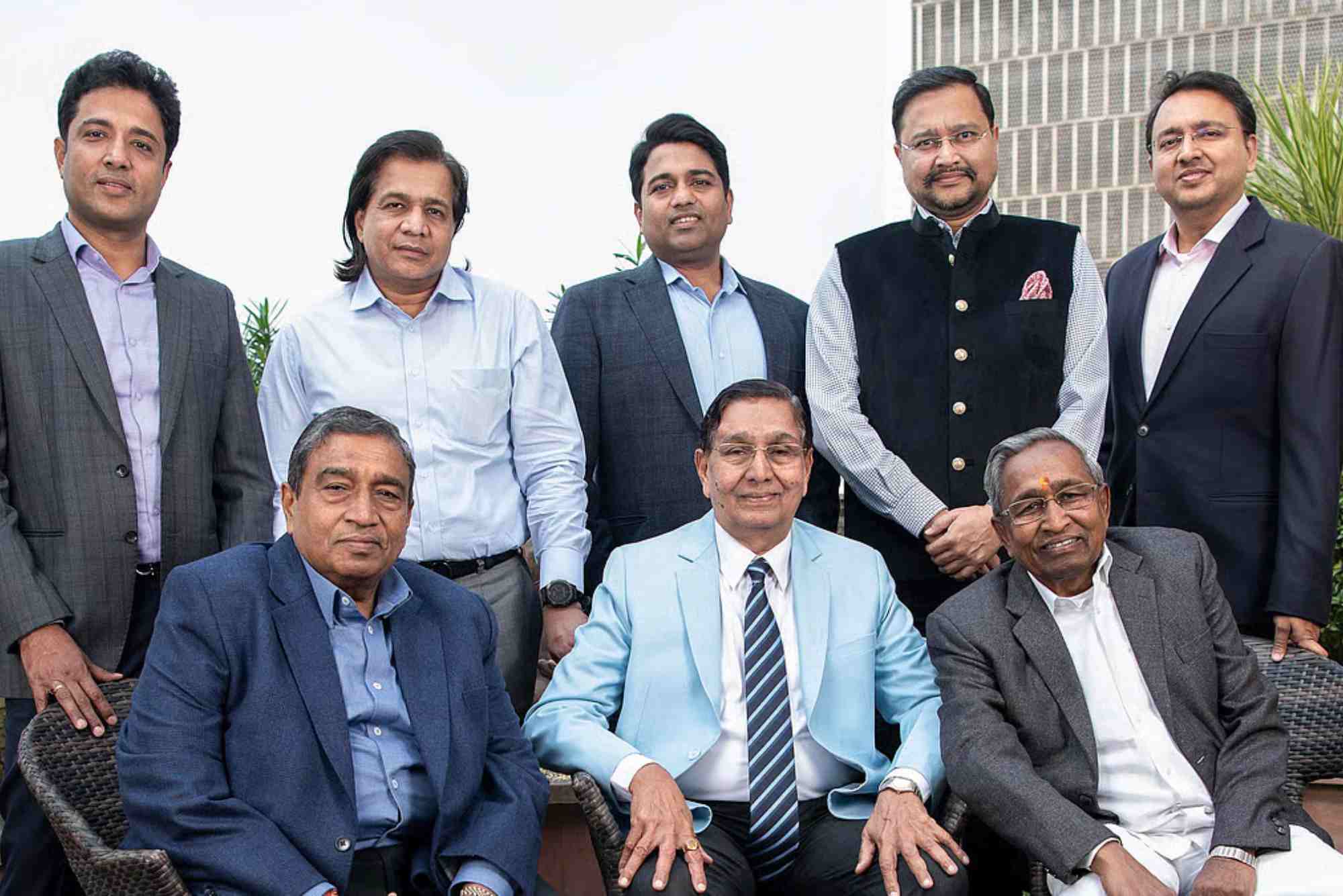
The real driving force behind Rupa’s growth has been Mr. Prahlad Rai Agarwala. Known for his strategic vision and deep understanding of market dynamics, he played a key role in building the brand’s foundation. As the chairman of Rupa & Company Ltd., he focused on creating a business model that would prioritize quality, consistency, and customer trust. Under his leadership, Rupa expanded its portfolio, built an extensive distribution network, and introduced a variety of sub-brands catering to different demographics.
Vision and Leadership That Sparked a Revolution
Mr. Agarwala’s leadership style has always emphasized long-term thinking. He believed that a successful brand must not only offer great products but also stay ahead of market trends. In the 1980s and 1990s, Rupa Corporation began investing in modern machinery and production techniques, ensuring product consistency. The company also focused on brand-building – a relatively new concept in the Indian innerwear market at that time. Television and print advertisements helped Rupa become a recognizable name. Strategic endorsements by celebrities gave the brand a strong public face, and trust began to grow.
Building an Unmatched Distribution Network
One of the lesser-known secrets of Rupa’s success lies in its powerful distribution system. The company operates through a network of over 1,000 distributors and more than 1,25,000 retail outlets across India. This wide reach ensures that Rupa products are available in even the most remote areas of the country. The owner’s business philosophy emphasized connecting with every segment of society, from metros to small towns and villages. This democratization of innerwear made Rupa a household name.
Innovation and Diversification
As the brand matured, the Rupa Corporation owner steered the company towards innovation and diversification. It was not enough to rely solely on traditional men’s vests and briefs. Rupa soon began expanding into women’s and children’s innerwear, thermal wear, casual wear, and socks. Brands like Frontline, Jon, Softline, and Euro Fashion quickly gained popularity. This multi-brand strategy allowed the company to serve different market segments while retaining a single corporate identity.

Facing Challenges and Emerging Stronger
Like any growing business, Rupa Corporation faced its share of challenges. The increasing number of competitors, changes in consumer preferences, and rising production costs demanded continuous evolution. However, the Rupa Corporation owner’s resilience and problem-solving approach helped the company navigate these hurdles effectively. During economic downturns or market disruptions, Rupa focused on cost-efficiency, retaining its workforce, and adapting to new sales channels.
Digital Transformation and E-commerce Adaptation
In the last decade, the retail landscape has changed dramatically with the rise of e-commerce. The Rupa Corporation owner quickly recognized the need to go digital. Today, Rupa products are available across all major e-commerce platforms like Amazon, Flipkart, and Myntra. The company also revamped its website and engaged in social media marketing to reach younger audiences. These steps were essential in ensuring that Rupa stayed relevant in the digital age.
Corporate Social Responsibility and Ethical Practices
Another pillar of Rupa’s success is its commitment to ethical business practices. The owner has consistently advocated for fair labor, environmental responsibility, and corporate transparency. Rupa’s factories are known for maintaining high standards of worker safety and hygiene. The company has also contributed to various community welfare initiatives, supporting education, healthcare, and disaster relief programs.
Rupa’s Financial Growth and Stock Market Journey
Rupa & Company Ltd. was listed on the Bombay Stock Exchange (BSE) and the National Stock Exchange (NSE), which marked a new chapter in its journey. This move not only increased its credibility but also attracted investors who believed in the brand’s potential. With consistent revenue growth and a robust supply chain, Rupa became one of the few apparel brands from India to achieve such financial stability and public trust.
The Family-Driven Culture
While Prahlad Rai Agarwala is widely recognized as the Rupa Corporation owner, the company’s strength lies in its family-driven culture. Other family members have taken on leadership roles in different departments, ensuring continuity and shared values across generations. This unity has contributed to consistent decision-making and has helped preserve the original mission and ethics on which the company was founded.
Rupa’s Impact on Indian Fashion and Culture
Rupa’s success is not just about numbers; it’s about cultural relevance. For many Indians, their first memory of branded innerwear is linked to Rupa’s advertising or product. The brand has become synonymous with trust, comfort, and durability. Its affordable pricing and consistent quality have allowed it to transcend class boundaries. In many ways, Rupa Corporation has played a significant role in shaping India’s innerwear industry.
The journey of the Rupa Corporation owner is a masterclass in vision, discipline, and perseverance. From a small family initiative to one of India’s largest innerwear brands, Rupa’s story continues to inspire budding entrepreneurs across the nation. With a clear focus on quality, customer satisfaction, and ethical practices, Rupa has set a benchmark in the apparel industry.
As the brand looks toward the future, embracing innovation and sustainability, it remains a shining example of what strategic leadership and family values can achieve.
Are you inspired by the journey of the Rupa Corporation owner? Follow our blog for more real business success stories, and don’t forget to explore Rupa’s diverse range of products to see the legacy for yourself.
FAQs
Who is the owner of Rupa Company?
The owner of Rupa Company is Prahlad Rai Agarwala. He co-founded the company and is currently the chairman, leading its growth and strategic direction.
Is Rupa Company an Indian brand?
Yes, Rupa is a fully Indian brand headquartered in Kolkata. It has grown into one of India’s most prominent innerwear and apparel manufacturers.
How did Rupa become so popular in India?
Rupa’s popularity stems from its consistent quality, affordable pricing, wide distribution, and strong advertising strategies featuring popular celebrities.
Is Rupa Company listed on the stock exchange?
Yes, Rupa & Company Ltd. is listed on both the Bombay Stock Exchange (BSE) and National Stock Exchange (NSE).
What are some famous Rupa brands?
Some well-known sub-brands under Rupa include Frontline, Softline, Jon, Euro, Thermocot, and Bumchums, catering to men, women, and children.
Where can I buy Rupa products?
Rupa products are widely available in retail stores across India and on major online platforms like Amazon, Flipkart, and Myntra.