Dubai’s Story Uncovered: A Wikipedia-Style Deep Dive into the City
Dubai is a name that sparks images of glittering skyscrapers, luxury cars, futuristic innovation, and expansive deserts. It’s no wonder that many around the world search for “Dubai Wikipedia” to learn more about this awe-inspiring city. But behind the glamour lies a fascinating tale of resilience, transformation, and vision that deserves a deep dive beyond just a few paragraphs. This article unravels the detailed journey of Dubai—from its humble beginnings to becoming one of the most iconic cities on the planet.
The Origins: From Desert Settlement to Trade Hub
Long before the world knew Dubai as a modern metropolis, it was a modest fishing and pearl-diving village located on the Arabian Gulf. Archaeological findings suggest human habitation in the area dating back to 3000 BCE. However, the first written record of Dubai dates back to 1095 in the “Book of Geography” by Andalusian-Arab geographer Abu Abdullah al-Bakri. By the 18th century, Dubai began to emerge as a trading post. The city’s location along the coast made it an ideal spot for merchants traveling between Mesopotamia and the Indus Valley.
In 1833, the Al Maktoum family established their rule over Dubai. Sheikh Maktoum bin Butti led around 800 members of the Bani Yas tribe to settle along Dubai Creek. This marked the official formation of Dubai as we know it. The Al Maktoum dynasty continues to rule the Emirate to this day.
Dubai’s Economic Foundation: Pearling and Trade
In the late 19th and early 20th centuries, Dubai’s economy was based on pearling. Thousands of men went to sea each year in search of the prized pearls of the Gulf. The trade attracted merchants from across the region and helped Dubai grow in wealth and reputation.
The decline of the pearling industry in the 1930s, mainly due to the invention of cultured pearls in Japan and the global economic depression, hit Dubai hard. But instead of collapsing, the city pivoted. Under the leadership of Sheikh Rashid bin Saeed Al Maktoum, Dubai invested in infrastructure, such as port facilities, roads, and airports.
The Oil Era: Fueling a New Chapter
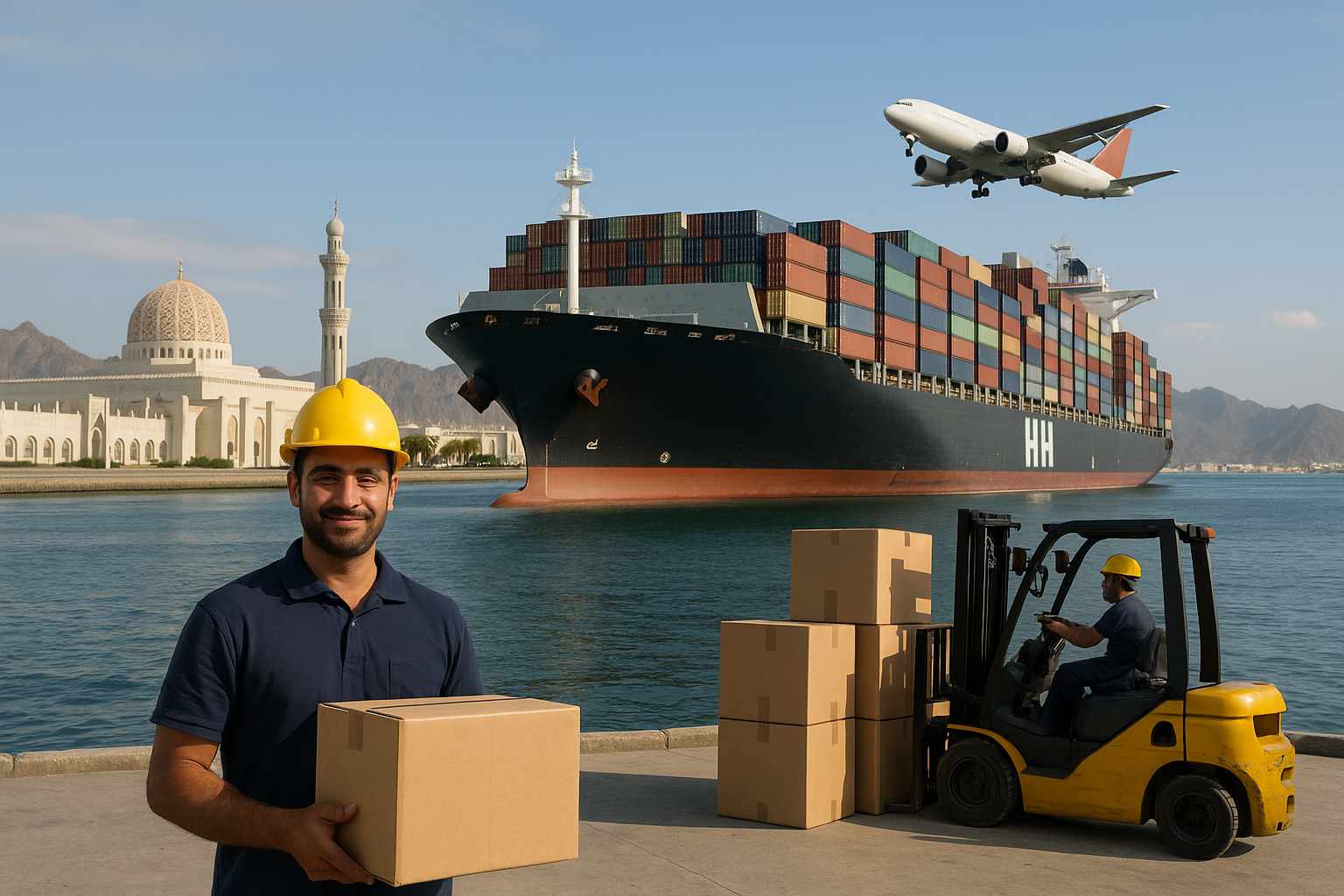
Dubai discovered oil in 1966 at the Fateh Oil Field, but unlike some of its neighbors, its reserves were relatively small. While oil brought in vital revenue, Sheikh Rashid understood it wouldn’t last forever. He used the profits wisely—investing in long-term infrastructure projects such as Port Rashid, Jebel Ali Port, and Dubai International Airport. These projects turned Dubai into a logistics and commercial powerhouse.

Rather than becoming dependent on oil, Dubai pursued diversification. This decision laid the foundation for the service-driven economy we see today.
A Vision Transformed: The Rise of a Global City
From the 1980s onward, Dubai repositioned itself as a global hub for tourism, finance, trade, and real estate. Major developments such as the Burj Al Arab, Palm Jumeirah, and the Dubai Mall redefined the city’s skyline and identity. In 2000, Dubai Internet City was launched to attract tech companies. It was followed by Dubai Media City, Dubai International Financial Centre (DIFC), and a range of free zones catering to various industries.
Today, the city is home to global giants like Microsoft, Google, CNN, and HSBC. In fact, when people search “Dubai Wikipedia,” they’re often amazed by how such a transformation took place in just a few decades.
Governance and Political Structure
Dubai is one of seven emirates that make up the United Arab Emirates (UAE). Each emirate has considerable autonomy, but they all function under a federal framework. Dubai is governed by Sheikh Mohammed bin Rashid Al Maktoum, who is also the Vice President and Prime Minister of the UAE.
The city’s governance emphasizes innovation, efficiency, and global competitiveness. Initiatives like Smart Dubai and the Dubai Future Foundation highlight its commitment to becoming a leading digital and knowledge economy.
Culture and Society: A Blend of Heritage and Modernity
Despite its rapid modernization, Dubai holds onto its rich cultural roots. Traditional Emirati customs are evident in architecture, dress, food, and festivities. The city also celebrates Islamic values while being inclusive of its diverse population.
Over 85% of Dubai’s population consists of expatriates, making it one of the most multicultural cities in the world. This blend of cultures is reflected in the city’s cuisine, festivals, and overall lifestyle.
Tourism and Iconic Landmarks
Tourism plays a significant role in Dubai’s economy. The city attracted over 16 million international visitors in 2023, according to the Dubai Department of Economy and Tourism. Tourists flock to experience a wide range of attractions, including:
- Burj Khalifa: The tallest building in the world.
- Dubai Mall: Among the largest shopping malls globally, with over 1,200 stores.
- Palm Jumeirah: An artificial island shaped like a palm tree.
- Desert Safaris: Offering a glimpse of traditional Bedouin life.
These attractions, combined with top-tier hotels and events like Expo 2020 and the Dubai Shopping Festival, have cemented Dubai’s status as a tourism magnet.
Dubai’s Transportation and Infrastructure
Dubai’s infrastructure is among the most advanced in the region. The city has invested heavily in transportation, including roads, metro systems, and airports. Dubai International Airport (DXB) is one of the world’s busiest airports by international passenger traffic.
The Dubai Metro, launched in 2009, was the first urban train network in the Arabian Peninsula. With smart ticketing, clean facilities, and punctuality, it reflects Dubai’s dedication to future-ready urban planning.
Real Estate and Skyline Evolution
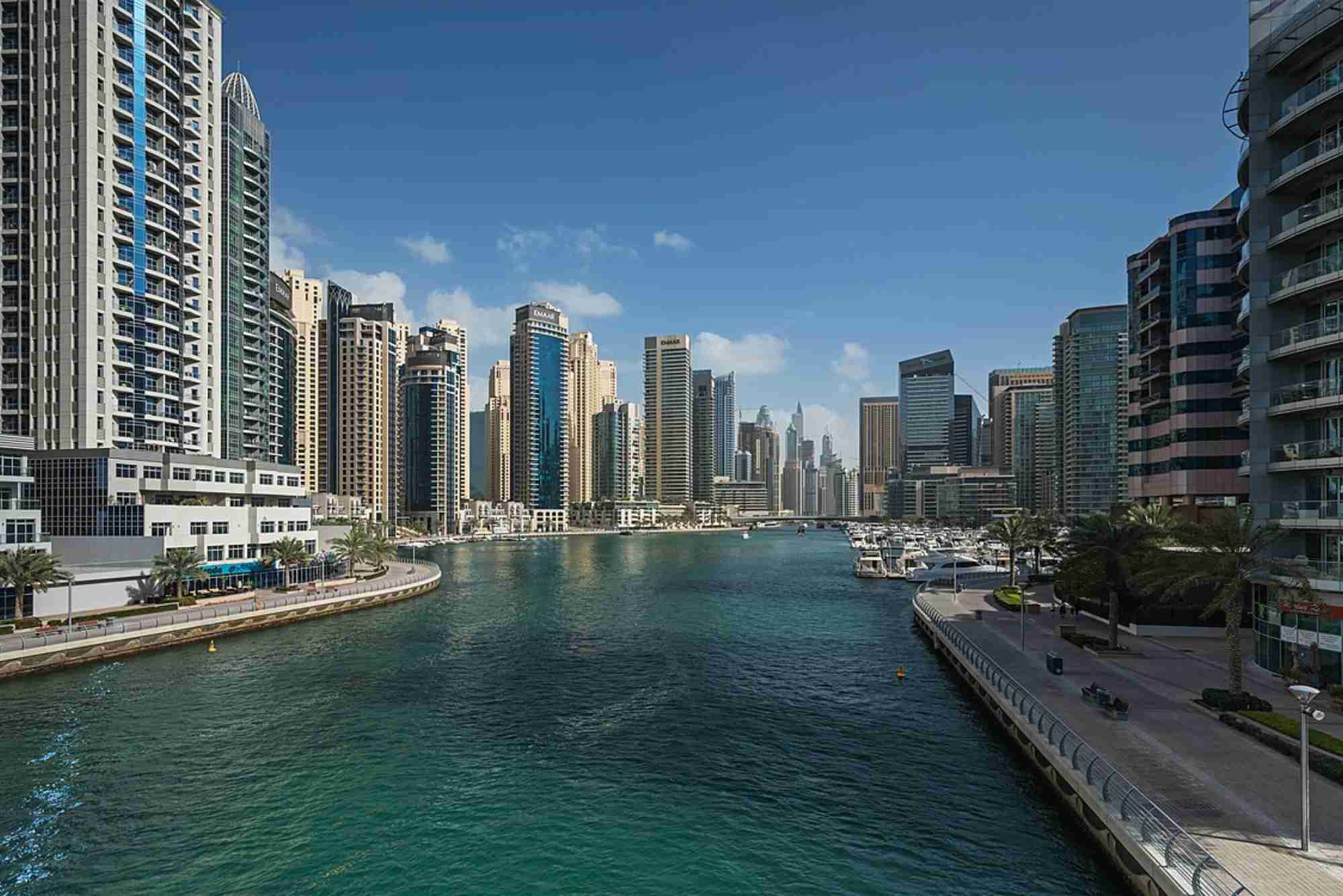
Dubai’s real estate boom in the early 2000s changed its landscape forever. Residential towers, commercial zones, and luxury villas sprang up rapidly. Iconic projects like the Burj Khalifa, Marina Towers, and Downtown Dubai became symbols of its ambitions.
However, the city also faced challenges, especially during the 2008 global financial crisis. Prices dropped, and many projects were put on hold. But Dubai adapted, restructured, and reemerged stronger.
Economy Today: Beyond Oil
Dubai’s economy today is powered by tourism, logistics, finance, technology, and real estate. The city continues to attract foreign investment due to its strategic location, tax incentives, and world-class infrastructure.
Initiatives like “Dubai Vision 2030” and “Dubai Economic Agenda D33” aim to double the city’s economy and place it among the top three global cities. Sustainability, AI, and green energy are central to this next chapter.
Education and Innovation
Education is a key pillar of Dubai’s growth. The city hosts several international universities, including campuses of the University of Birmingham, Hult International Business School, and American University in Dubai.
Innovation is encouraged through incubators and government-backed accelerators. Dubai also hosted the World Government Summit and leads regional discussions on topics like blockchain, AI, and climate resilience.
Challenges and Criticism
While Dubai is celebrated globally, it’s not without its challenges. Issues like labor rights, environmental impact, and affordability have drawn criticism. The government has introduced reforms to address these, such as new labor laws and green policies.
Nonetheless, Dubai continues to evolve and adapt in response to both internal and global dynamics.
Dubai’s journey from a fishing village to a global icon is nothing short of remarkable. Those searching “Dubai Wikipedia” often find basic facts, but the real story lies in its relentless pursuit of excellence, adaptability, and vision. Whether you’re a traveler, investor, or someone curious about the world, Dubai stands as a shining example of what focused leadership and ambition can achieve.
Are you planning to visit, invest, or learn more about Dubai? Dive deeper into the city’s many layers—history, innovation, and culture—beyond the surface. Dubai isn’t just a place; it’s a story worth experiencing.
(FAQs)
What is Dubai most known for?
Dubai is most known for its modern architecture, luxury shopping, world records like the Burj Khalifa, and vibrant tourism scene.
Is Dubai part of Wikipedia?
Yes, Dubai has a dedicated Wikipedia page that covers its history, governance, economy, culture, and more.
Is Dubai a country or a city?
Dubai is a city and one of the seven emirates of the United Arab Emirates (UAE).
What language is spoken in Dubai?
Arabic is the official language, but English is widely spoken due to the large expatriate population.
Is Dubai safe to visit?
Yes, Dubai is considered one of the safest cities globally with low crime rates and strong law enforcement.
How did Dubai become so rich?
Initially through oil, but it became richer by diversifying into trade, tourism, finance, and real estate.
Who rules Dubai?
Dubai is ruled by Sheikh Mohammed bin Rashid Al Maktoum, who is also the Vice President and Prime Minister of the UAE.
This deep dive into Dubai’s Wikipedia-style story showcases a city of resilience and reinvention—an inspiring case of what’s possible with vision and determination.