Traditional Home in Kerala: Design Ideas for Authentic Homes
A traditional home in Kerala is more than just an architectural style—it’s a living reflection of history, culture, and harmony with nature. Rooted in centuries-old traditions, these homes stand as a perfect blend of aesthetic grace and functional design. Known for their sloping tiled roofs, wooden pillars, and open courtyards, Kerala homes capture the essence of tropical living. In an era of modern minimalism, many homeowners are returning to the charm of these timeless abodes to recreate authentic spaces filled with warmth, balance, and beauty.
Understanding the Essence of a Traditional Home in Kerala
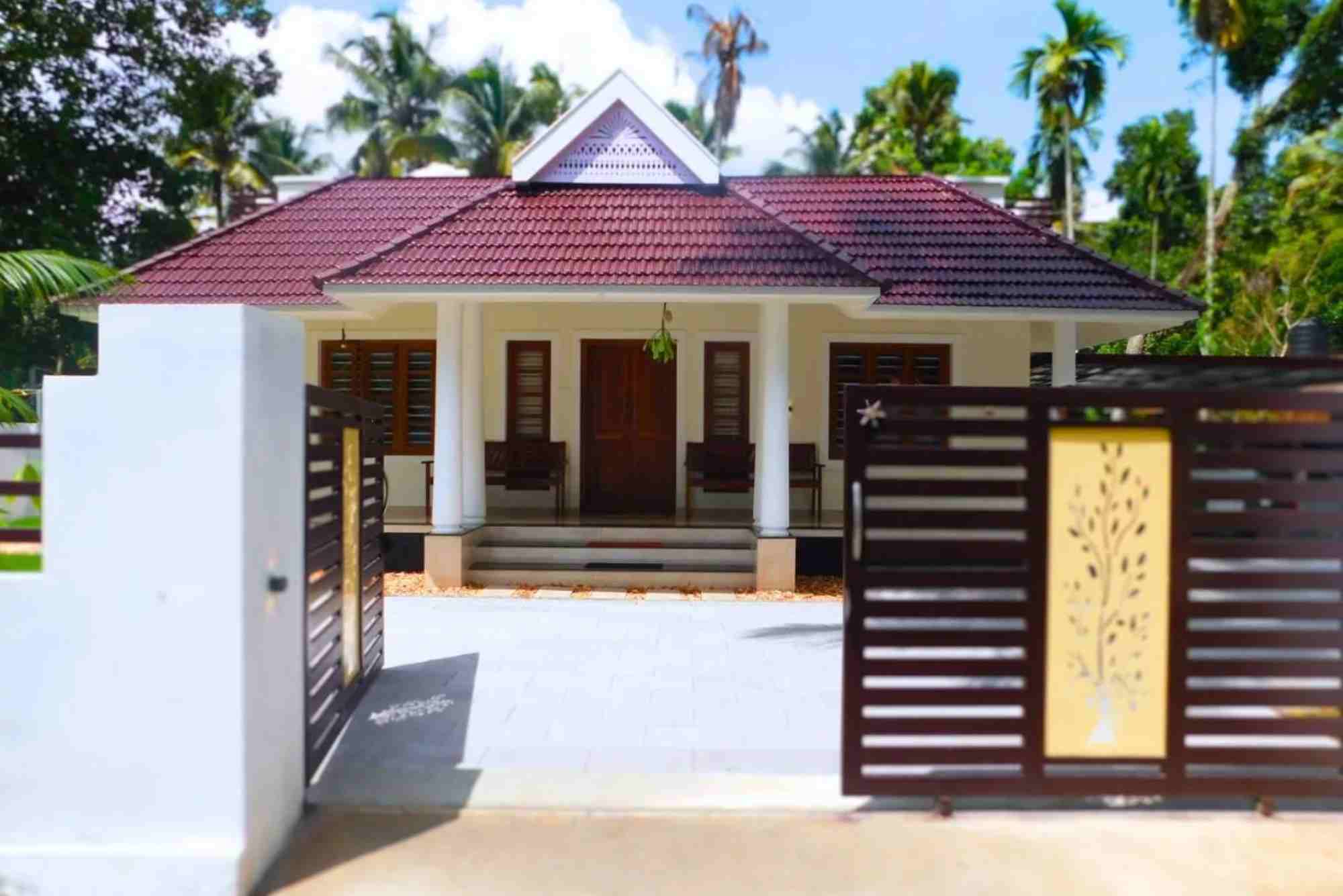
The traditional home in Kerala evolved over centuries to suit the region’s humid climate and cultural ethos. Each design element serves a purpose—either for ventilation, temperature control, or spiritual well-being. The design is deeply influenced by Vastu Shastra, the ancient Indian science of architecture. Unlike the concrete and glass of urban housing, traditional Kerala homes breathe naturally. Every corner is designed to invite sunlight, promote air circulation, and maintain a serene indoor atmosphere. The defining characteristics include sloping terracotta roofs, intricately carved wooden structures, inner courtyards (known as Nadumuttam), and wide verandas (Thulasithara).
Key Architectural Elements of Kerala’s Traditional Homes
Sloping Tiled Roofs
Kerala experiences heavy monsoon rains, and this climatic feature has greatly influenced its architecture. The sloping roofs made of red clay tiles not only add to the visual charm but also allow rainwater to flow off easily. These roofs also help maintain a cool interior temperature by reflecting heat.
Wooden Pillars and Beams
Wood is the soul of a traditional home in Kerala. Locally sourced teak, jackfruit, and rosewood are commonly used to build sturdy structures. The carved wooden pillars and beams not only provide support but also bring an artistic dimension to the interiors. Each carving tells a story, often inspired by nature, mythology, or local folklore.
The Central Courtyard – Nadumuttam
The Nadumuttam is the heart of a Kerala home. This open courtyard at the center allows natural light and ventilation to flow into the house, creating an atmosphere of calmness and connection with nature. Traditionally, the courtyard served as a gathering place for family prayers, conversations, and cultural rituals. Today, it remains a signature element that modern designers adapt into contemporary homes for both aesthetic and environmental reasons.
Verandas and Sit-Outs
Wide verandas surrounding the house act as transitional spaces between the indoors and outdoors. These shaded areas are perfect for relaxation, evening conversations, and observing nature. A Thulasithara, a small altar with a holy basil plant, often adorns the front veranda, symbolizing purity and divine protection.

Traditional Materials that Define Kerala Homes
One of the main reasons traditional homes in Kerala remain timeless is the use of natural, sustainable materials. Local artisans rely on materials that blend effortlessly with the tropical environment.
Wood remains the primary building component, valued for its durability, aroma, and cooling properties. Terracotta tiles are used for roofing and flooring, while laterite stone—abundantly available in Kerala—is used for walls due to its natural insulation qualities. Floors are often polished with natural oils or cow dung paste for a smooth, earthy finish. These materials not only create a warm aesthetic but also make homes eco-friendly and energy-efficient.
Modern Interpretations of the Traditional Kerala Home
Many homeowners today wish to retain the charm of a traditional home in Kerala while incorporating modern amenities. The challenge lies in maintaining the balance between authenticity and convenience. Architects now use contemporary methods to reinterpret traditional elements.
Open-concept living spaces inspired by the Nadumuttam are common, allowing seamless transitions between rooms. Large glass windows replace wooden shutters, offering unobstructed views of nature while keeping the structure naturally lit. Kitchens are designed with modern appliances but still use warm wooden tones and traditional motifs. Bathrooms may feature stone basins and brass fixtures that blend vintage charm with modern functionality.
The use of sustainable technology—like rainwater harvesting, solar panels, and cross-ventilation design—ensures these homes are not just nostalgic but also future-ready.
Interior Design Ideas for an Authentic Kerala Feel
Wooden Accents Everywhere
From furniture to ceilings, wood dominates Kerala interiors. Opt for handcrafted furniture with intricate carvings and traditional motifs. Teak or rosewood tables, chairs, and divans can create a rich and grounded ambiance.
Earthy Colors and Textures
Traditional homes use muted, earthy tones that reflect the surrounding nature—terracotta reds, soft browns, beige, and shades of green. You can accentuate these hues with natural fabrics like cotton, jute, and silk for curtains and upholstery.
Brass and Bronze Décor
Kerala interiors often feature lamps, urulis (decorative brass bowls), and idols made of brass or bronze. These not only add a touch of tradition but also infuse a sense of spirituality and luxury into the home.
Artwork and Murals
Wall murals depicting mythological stories or floral patterns are a classic feature. If painting entire murals isn’t feasible, framed prints inspired by Kerala temple art or mural designs can bring that traditional flavor indoors.
Traditional Flooring
Polished red oxide floors were once a hallmark of Kerala homes. They are cool to the touch and exude vintage charm. Alternatively, terracotta tiles or natural stone flooring can achieve a similar effect while being easier to maintain.
Creating an Outdoor Experience that Complements the Home
The beauty of a traditional home in Kerala extends beyond its walls. The surroundings are just as thoughtfully designed. Lush gardens, fish ponds (kulam), and coconut trees create a tranquil environment that harmonizes with the home’s architecture.
A small stone pathway leading from the entrance gate to the veranda, bordered by flowering plants, creates an inviting entrance. Adding a wooden swing or a small seating area under a tree enhances the charm. For urban homes, even a balcony garden with tropical plants like areca palm, jasmine, or hibiscus can recreate that natural essence.
Cultural Significance of Kerala’s Traditional Architecture
Kerala’s traditional homes reflect the state’s socio-cultural values. The architecture promotes togetherness, respect for nature, and mindfulness in living. The Nalukettu (four-block home with a central courtyard) symbolized family unity, while each space—from the prayer room to the kitchen—was designed with intention and purpose.
Many design practices stem from spiritual beliefs. For instance, the eastern direction of the entrance is considered auspicious, while water bodies near the house are thought to purify the air. These cultural foundations make Kerala homes not just visually appealing but deeply meaningful.
How to Build a Traditional Home in Kerala Today
Recreating an authentic Kerala home today requires thoughtful planning and skilled craftsmanship. Here are some essential tips to consider:
Choose local materials to maintain authenticity and sustainability. Collaborate with artisans familiar with traditional carpentry and design motifs. Follow Vastu principles for harmony and balance. Design for ventilation—large windows, courtyards, and open verandas ensure comfort in Kerala’s tropical climate. Lastly, focus on durability and timeless aesthetics rather than trends.
With the right approach, you can enjoy the soul of a traditional Kerala home while meeting modern-day needs.
Why Traditional Kerala Homes Are Gaining Popularity Again
As modern architecture becomes increasingly uniform, many homeowners are rediscovering the value of traditional designs. A traditional home in Kerala offers a serene escape from urban chaos. It provides natural cooling, reduces energy costs, and encourages sustainable living.
Moreover, these homes celebrate craftsmanship—a quality often missing in mass-produced modern housing. By choosing traditional architecture, homeowners connect with their roots and contribute to preserving Kerala’s rich heritage.
Bringing the Soul of Kerala into Modern Living
A traditional home in Kerala is not merely a structure—it’s a philosophy of living in harmony with nature and community. Every design element, from the tiled roof to the open courtyard, tells a story of wisdom passed down through generations. Whether you live in Kerala or anywhere else, embracing this architectural style can transform your home into a sanctuary of comfort, beauty, and cultural pride.
FAQs
What are traditional Kerala houses called?
They are commonly known as Nalukettu or Ettukettu, depending on the number of courtyards. The term Nalukettu literally means “four blocks” arranged around a central courtyard.
Why do Kerala houses have sloping roofs?
The sloping roofs made of clay tiles are designed to withstand heavy rainfall and promote efficient drainage, keeping the interiors dry and cool.
Which wood is used in traditional Kerala homes?
Teak, rosewood, and jackfruit wood are popular choices due to their strength, resistance to termites, and beautiful grain.
How can I design a modern house with Kerala-style features?
You can combine traditional elements like wooden ceilings, open courtyards, and tiled roofs with modern materials, energy-efficient lighting, and contemporary layouts.
Is it expensive to build a traditional home in Kerala today?
While craftsmanship and woodwork can increase costs, using locally sourced materials and modern construction methods can make it more affordable without losing authenticity.
Related Reading: Tips for Staging Your Home