Tips for Staging Your Home: How to Sell Faster and for More Money
Selling your home can be both exciting and stressful. You want potential buyers to see your property as their dream home, not just another listing. The key to achieving that is home staging. In today’s competitive real estate market, knowing the right tips for staging your home can make all the difference. With proper preparation, you can sell faster and even get a better price than you expected.
Understanding the Importance of Home Staging
Home staging is not just about decorating; it’s about strategically presenting your home to attract buyers. It allows you to highlight the best features of your property and create an emotional connection with potential buyers. Studies show that staged homes sell faster and often for higher prices compared to unstaged ones. By carefully planning the presentation, you make it easier for buyers to visualize themselves living in the space.
First Impressions Matter: The Power of Curb Appeal
The moment a buyer arrives, the first thing they see is the exterior. That initial impression can influence the entire showing. Keep the lawn trimmed, remove weeds, and add a few potted plants near the entrance. A freshly painted front door, clean driveway, and well-maintained windows instantly make your home appear welcoming. Even small details, like replacing a worn doormat or polishing the house numbers, can have a big impact.
Declutter and Depersonalize
One of the simplest yet most powerful tips for staging your home is to declutter. Too much furniture or personal items make rooms feel smaller and distract buyers from the home’s features. Remove unnecessary items from countertops, closets, and shelves. Depersonalizing is equally important. Take down family photos and personal collections so that potential buyers can imagine their own lives in the space.
Deep Cleaning for a Lasting Impression
A clean home signals that the property has been well-maintained. Before any showing, ensure every corner sparkles. Clean windows let in more light, and spotless floors add polish to any room. Pay special attention to the kitchen and bathrooms, as buyers often focus on these areas. A fresh scent can also help, but keep it subtle. Avoid strong artificial fragrances and instead rely on natural freshness from open windows or mild air purifiers.
Highlight the Best Features of Each Room
Every home has something special, whether it’s a cozy fireplace, a stunning view, or spacious storage. When staging, highlight these features. Arrange furniture to direct attention toward focal points. For example, if you have a large window with a view, avoid blocking it with bulky curtains or furniture. Good lighting enhances these highlights and makes rooms feel more inviting.

Optimize Lighting for a Brighter Atmosphere
Lighting plays a huge role in home staging. Natural light is always best, so open blinds and curtains to let sunshine in. In the evenings, make sure your home feels warm and cozy with layered lighting — a mix of overhead, task, and accent lights. Replace any dim bulbs and choose warm white tones to create a comfortable ambiance that appeals to everyone.
Neutral Colors Work Wonders
When it comes to walls and décor, neutral tones are your best friend. Colors like beige, soft gray, or off-white create a clean and versatile background that appeals to a wide audience. They also make rooms feel larger and brighter. Neutral doesn’t mean boring; you can add life with textures, throw pillows, or small decorative accents that bring warmth without overwhelming the space.
Rearrange Furniture for Flow and Function
A smart furniture arrangement can make a huge difference. The goal is to create an open flow that feels natural and allows easy movement from room to room. Avoid crowding furniture together or placing large pieces in small spaces. Floating furniture away from walls can actually make a room feel more spacious. When buyers can easily walk through and see every part of a room, it feels larger and more functional.
Stage Every Space — Even the Small Ones
Buyers pay attention to every area, not just the main rooms. Unused spaces like basements, attics, or small corners can be turned into attractive selling points. Transform an empty nook into a reading corner, or stage a basement as a home gym or playroom. Showing the potential of every space helps buyers imagine how they could use it.
Pay Attention to Details
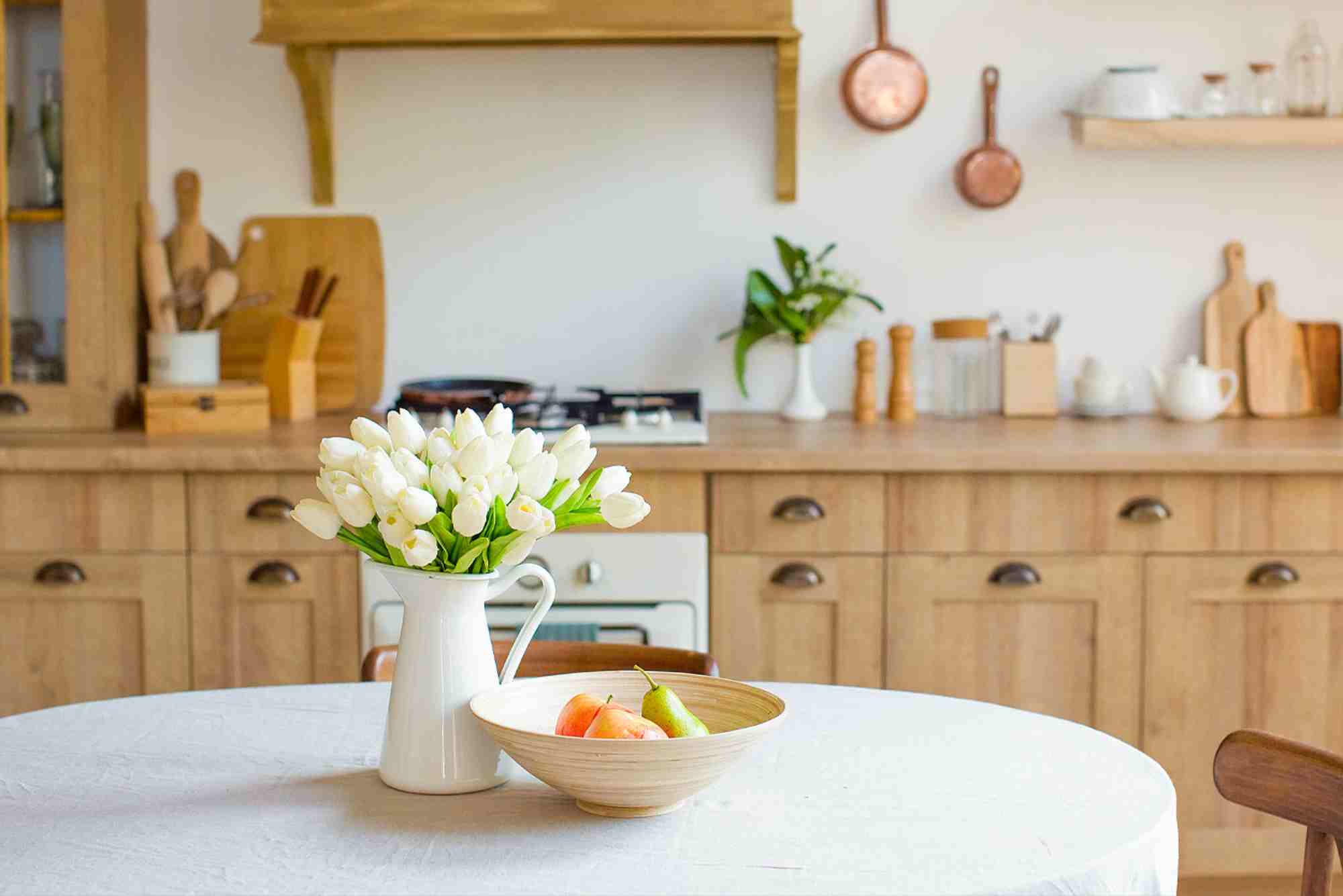
Sometimes, small details make the biggest impression. Replace outdated hardware on cabinets, fix dripping faucets, and ensure all doors open smoothly. Fresh flowers, a bowl of fruit, or neatly folded towels can subtly enhance the overall atmosphere. These touches suggest a well-cared-for home that’s ready for new owners.
Create a Lifestyle Experience
Modern buyers don’t just purchase a property — they buy a lifestyle. Use staging to help them visualize that lifestyle. For example, set a dining table as if for a cozy dinner, or place a book and blanket near the living room sofa to suggest relaxation. These scenes trigger emotions that make buyers feel “at home.”
Keep Pets and Odors Under Control
While your pets are part of your family, not all buyers feel the same way. Before showings, remove pet items like bowls, beds, and litter boxes. Clean thoroughly to eliminate pet odors and consider temporary arrangements for pets during open houses. A fresh, neutral-smelling home feels more appealing to everyone.
Don’t Forget the Kitchen and Bathroom
Kitchens and bathrooms often seal the deal. Make sure they are spotless, organized, and updated where possible. Even minor upgrades, like replacing old faucets or adding new cabinet handles, can refresh the look. Clear the countertops except for one or two decorative items, and display fresh towels in the bathroom to create a spa-like feel.
Make Bedrooms Look Peaceful
Bedrooms should feel like calm retreats. Use soft bedding, neutral tones, and simple décor to create a serene atmosphere. Add a few decorative pillows and neatly folded throws to give the bed a luxurious look. Ensure closets are organized and spacious since storage space is always a big selling point.
Professional Photos Matter
Once your home is staged, invest in professional photography. Most buyers first see listings online, and great photos can make your home stand out. A well-lit, beautifully staged home will draw more attention and increase the chances of scheduling showings quickly.
Keep It Fresh During the Selling Period
Staging isn’t a one-time effort. If your home stays on the market for a while, keep it looking fresh. Replace wilting plants, dust surfaces regularly, and ensure everything remains spotless for each showing. Consistency shows potential buyers that the property is cared for and ready for them to move in.
Why Staged Homes Sell Faster and for More Money
Staged homes not only attract more buyers but also create competition among them. When multiple people envision living in your home, it can drive up offers. Professional staging helps highlight your property’s full potential, leading to quicker sales and higher prices. Even small investments in staging often yield significant returns.
Make Your Home Irresistible
When selling your property, presentation is everything. These tips for staging your home can transform your space into a buyer’s dream. From decluttering and lighting to creating lifestyle moments, every detail counts. Staging may require effort, but the results speak for themselves: faster sales and better offers. If you’re planning to sell soon, start preparing today — your perfect buyer might be just around the corner. Ready to sell your home faster and for more money? Start staging today! Follow these expert tips or consider hiring a professional stager to help you make your home irresistible to buyers.
FAQs
What is the purpose of home staging?
The goal of home staging is to present your property in the best possible light so buyers can imagine themselves living there. It helps homes sell faster and often for higher prices.
Do staged homes really sell faster?
Yes, studies show that staged homes spend less time on the market and usually attract better offers because they stand out visually and emotionally to buyers.
How much does home staging cost?
The cost varies depending on the size of the home and whether you hire a professional. On average, it can range from a few hundred to a few thousand dollars, but it often pays off in the sale price.
Can I stage my home myself?
Absolutely. With the right guidance and attention to detail, you can successfully stage your home on your own by decluttering, cleaning, and arranging furniture strategically.
Should I stage an empty home?
Yes, empty homes can appear cold or smaller. Staging adds warmth and helps buyers visualize the purpose of each room. Even minimal furniture can make a big difference.
When should I start staging my home?
Ideally, start before listing your home. That way, your photos and first showings make a strong impression right from the beginning.
Related Reading: Traditional Home in Kerala
Related Reading: 5 Tips for Placing Furniture Like a Designer