
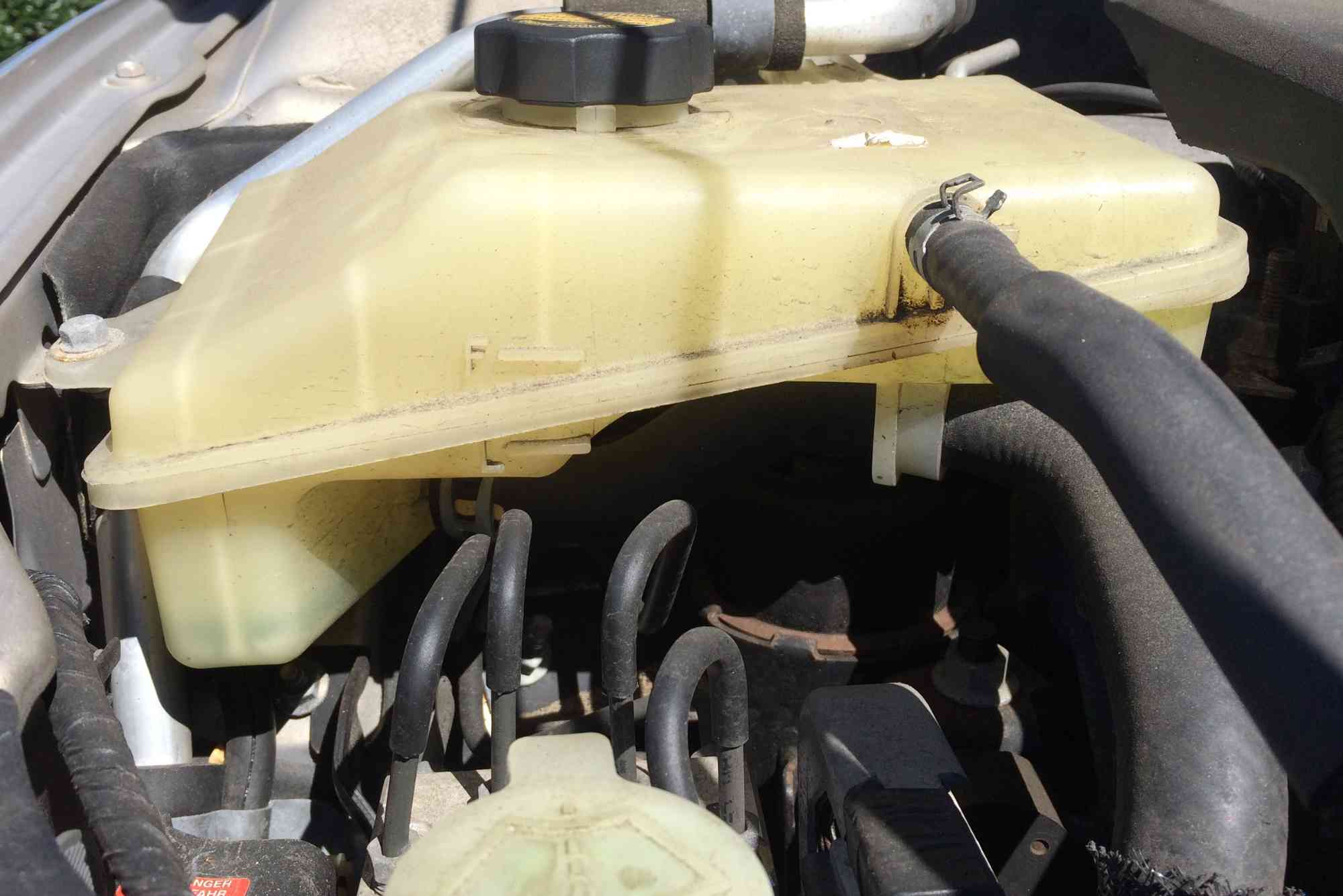
What to Do When Your Engine Coolant Tank Is Empty
If you have ever lifted the hood of your car and noticed that the engine coolant tank is empty, you know how alarming it can be. The coolant system plays a critical role in keeping your engine at a safe temperature. Without enough coolant, the engine can quickly overheat, which may lead to serious and costly damage. Knowing what to do in this situation can help you avoid being stranded or facing an expensive repair bill. This guide will explain why an engine coolant tank becomes empty, what steps to take immediately, how to refill it safely, and when it is time to see a professional mechanic.
Why the Engine Coolant Tank Becomes Empty
There are several reasons why you might find the coolant reservoir empty. One of the most common is a coolant leak in the system. Hoses, clamps, or the radiator itself may develop cracks over time. A failing water pump or head gasket can also allow coolant to escape. In some cases, coolant evaporates due to a poorly sealed reservoir cap. Even normal wear and tear on older vehicles can contribute to a slow but steady loss of coolant. Whatever the cause, an empty tank is a red flag that should not be ignored.
What to Do Immediately When You Notice an Empty Tank
The first thing to remember is not to keep driving if your engine coolant tank is empty. Continuing to drive with no coolant puts the engine at risk of overheating within minutes. Overheating can warp engine components, blow the head gasket, or even crack the engine block. If you spot the issue while the car is parked, do not start the engine until you have added coolant or water as a temporary measure. If you notice the warning light while driving, pull over safely, turn off the engine, and allow it to cool before opening the hood.
Checking for Signs of Coolant Loss
Before topping up the coolant tank, inspect the surrounding area for visible leaks. Look under the car for puddles or wet spots that may indicate coolant dripping. Coolant usually has a bright green, orange, or pink color and a slightly sweet smell, making it easy to identify. Examine the radiator hoses for cracks, bulges, or loose connections. Also check the radiator cap and reservoir cap, as a faulty seal can cause coolant to escape slowly. Identifying these signs early can help you determine whether you are dealing with a simple fix or a more serious repair.
How to Safely Refill the Engine Coolant Tank
If you need to refill the coolant tank, wait until the engine is completely cool. Opening the radiator cap or reservoir while the engine is hot can cause hot steam and fluid to spray out, leading to burns. Once the engine has cooled, remove the cap from the reservoir and add the correct type of coolant for your vehicle. Most cars require a 50/50 mix of coolant and distilled water. If coolant is not available, you can use clean water as a temporary solution, but this should be replaced with the proper mixture as soon as possible. After filling, tighten the cap securely and restart the engine to let the coolant circulate. Keep an eye on the temperature gauge to ensure it stays within the normal range.
When to Seek Professional Help
While topping up the coolant can get you back on the road, it is not a long-term solution. An engine coolant tank that becomes empty usually points to an underlying issue. If the level continues to drop after refilling, you should visit a mechanic. Common problems like a leaking radiator, failing water pump, or blown head gasket require professional repair. Ignoring these issues can lead to repeated overheating and severe damage that may cost thousands to fix.

Preventing an Empty Coolant Tank in the Future
Regular maintenance is the best way to prevent your engine coolant tank from becoming empty. Check the coolant level at least once a month, especially before long trips. Inspect hoses and clamps for wear and replace them before they fail. Flushing the cooling system every few years removes rust, scale, and old fluid that may contribute to leaks. Using the correct type of coolant specified in your vehicle manual is also crucial, as mixing different coolants can cause chemical reactions that damage the system.
Safety Tips for Handling an Empty Coolant Tank
If you find yourself on the road with an empty coolant reservoir, never attempt to refill it while the engine is still hot. Carrying a spare bottle of coolant in your trunk can save you in emergencies. If you must add water instead, avoid using tap water with high mineral content, as this can cause deposits inside the radiator. Always refill slowly to avoid air pockets forming in the cooling system, which can reduce its effectiveness.
The Risks of Driving with No Coolant
Driving with an engine coolant tank empty is one of the most dangerous things you can do to your car. Without coolant, the engine cannot regulate its temperature, leading to rapid overheating. Overheating may cause aluminum engine heads to warp, head gaskets to fail, and pistons to seize. In extreme cases, the engine can suffer irreversible damage. Even if the car continues to run, repeated overheating significantly reduces the lifespan of engine components. For this reason, never treat an empty coolant reservoir as a minor issue.
An engine coolant tank empty situation should never be ignored. Whether caused by a leak, evaporation, or a faulty component, the consequences of low coolant can be severe. If you notice the tank empty, stop driving, let the engine cool, and refill with the correct coolant mixture. Always inspect for leaks and, if the issue persists, consult a mechanic immediately. Preventive maintenance such as regular checks, timely replacements, and proper coolant use can save you from costly repairs and extend the life of your engine. If your coolant tank is empty right now, take action today before it turns into a bigger problem. Protect your car and your wallet by staying proactive with cooling system care.
FAQs
Can I drive with an empty coolant reservoir?
No, driving with an engine coolant tank empty can cause overheating and severe engine damage within minutes.
What should I do if I have no coolant available?
You can temporarily add clean water, but it should be replaced with the correct coolant mixture as soon as possible.
Why does my coolant tank keep getting empty?
Common causes include leaks in hoses or the radiator, a faulty water pump, or a blown head gasket.
How often should I check my coolant level?
It is best to check the coolant level at least once a month and before long trips.
What type of coolant should I use to refill?
Always use the coolant type recommended in your vehicle’s manual. Most cars use a 50/50 coolant and distilled water mix.