
Introduction
Few car problems are as worrying as an engine coolant leak head gasket issue. The head gasket sits between the engine block and the cylinder head, sealing vital passages that carry coolant and oil. When it fails, coolant can escape, leading to overheating, poor performance, and in severe cases, catastrophic engine damage. Drivers often notice white smoke, overheating, or a drop in coolant levels without a visible leak. If left unchecked, a minor leak can turn into an expensive repair bill. Understanding how to recognize, diagnose, and fix this problem can save both your engine and your wallet.
In this guide, we will break down everything you need to know about dealing with an engine coolant leak from the head gasket. From identifying early signs and understanding the causes to exploring repair solutions and prevention strategies, you’ll gain practical insights that help you take action before the issue worsens.
What Does a Head Gasket Do?
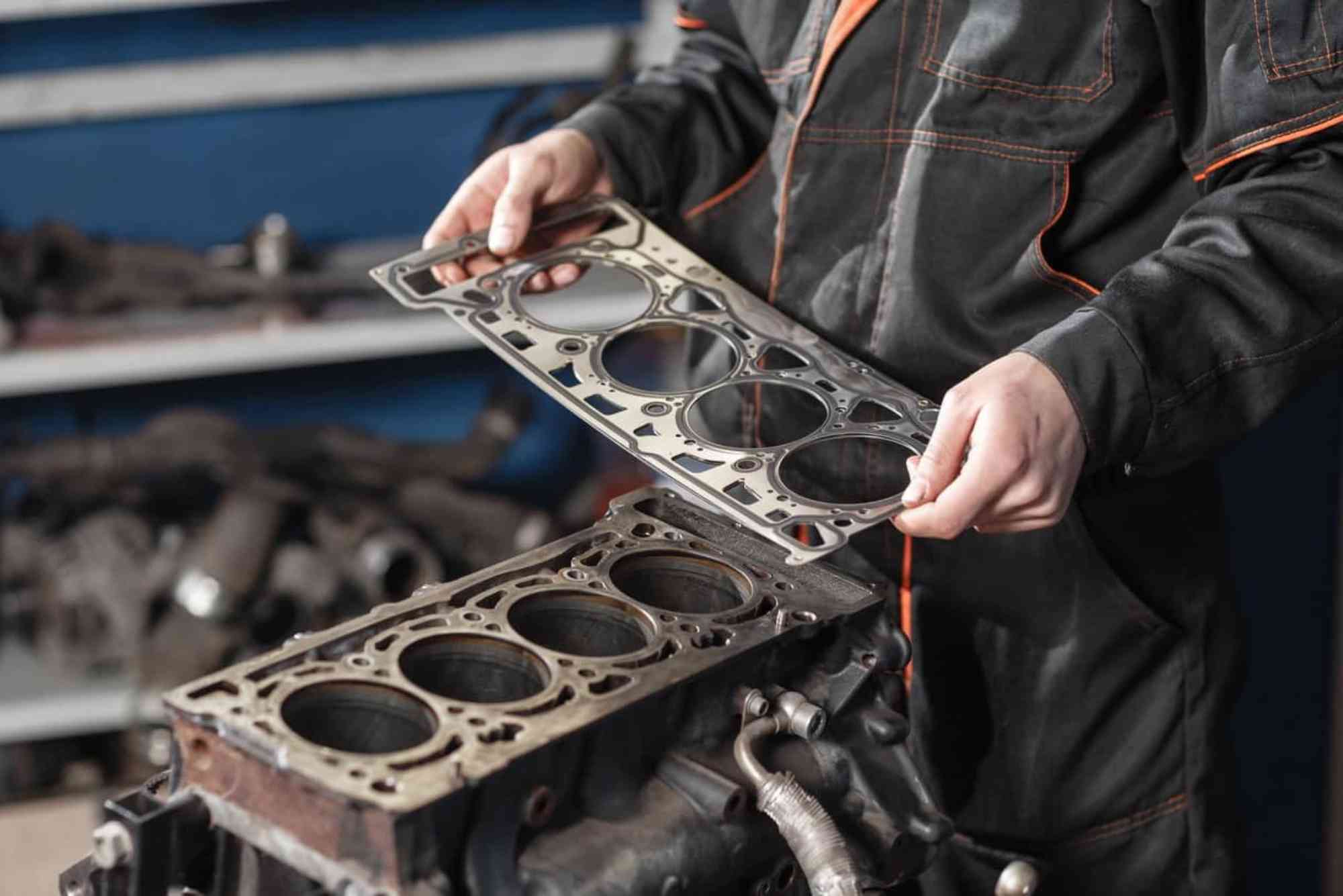
The head gasket is one of the most critical sealing components inside your engine. Its job is to maintain compression within the cylinders while keeping coolant and oil in separate channels. Without it, coolant could leak into the combustion chamber, or oil could contaminate the coolant system. A properly functioning head gasket ensures the engine runs smoothly, stays cool, and maintains efficiency.
When a head gasket develops a leak, it compromises the cooling system. Coolant may seep into places it should not go, such as the combustion chamber or oil passages. This creates a variety of symptoms that should never be ignored.
Common Causes of an Engine Coolant Leak Head Gasket
Overheating
The most common reason for a head gasket failure is engine overheating. When temperatures rise too high, the metal components expand beyond normal tolerance. This puts stress on the gasket until it weakens and develops cracks.
Poor Maintenance
Skipping routine coolant changes or using the wrong coolant type can corrode the gasket. Rust or scale buildup inside the cooling system reduces efficiency and increases pressure on weak spots.

Age and Wear
Over time, the gasket material deteriorates from repeated heating and cooling cycles. High-mileage vehicles are more prone to head gasket leaks simply because of age.
Incorrect Installation
If the head gasket was installed improperly during a previous repair, it may not have sealed correctly. Uneven torque or poor-quality replacement parts can trigger leaks much earlier than expected.
Symptoms of an Engine Coolant Leak Head Gasket
Catching the signs early is key to preventing further damage. Watch out for these common symptoms:
White Smoke from the Exhaust
When coolant seeps into the combustion chamber, it burns off as thick white smoke. Unlike normal condensation, this smoke lingers and has a sweet smell.
Overheating Engine
Since coolant is leaking out of the sealed system, the engine struggles to maintain proper temperatures. Repeated overheating can quickly lead to warped engine parts.
Bubbles in the Radiator or Coolant Reservoir
A leaking gasket often allows combustion gases to escape into the cooling system. This creates continuous bubbling in the radiator or coolant reservoir even when the engine is not overheating.
Milky Oil
When coolant mixes with oil, the result is a frothy, milky substance on the dipstick or oil cap. This is a serious warning sign that should prompt immediate action.
Loss of Coolant Without Visible Leaks
If you keep topping up coolant but see no puddles under the car, the head gasket is likely letting it escape internally.
Diagnosing an Engine Coolant Leak Head Gasket
Before assuming the worst, a mechanic will usually perform a few tests.
Compression Test
This checks for pressure loss in the cylinders. A drop in pressure often indicates a head gasket issue.
Chemical Test
Special test kits detect combustion gases inside the cooling system, confirming that coolant and combustion chambers are mixing.
Visual Inspection
Oil color, coolant condition, and smoke appearance provide valuable clues. Mechanics also inspect gasket areas for external leaks.
Can You Drive with a Head Gasket Coolant Leak?
Technically, you might still be able to drive short distances with a minor leak, but it is risky. Every mile increases the chance of severe overheating and further engine damage. What starts as a manageable repair could end with a full engine replacement. If you notice symptoms, it’s best to park the car and seek professional help immediately.
Repair Options for a Head Gasket Coolant Leak
Using a Head Gasket Sealer
For very small leaks, liquid sealers can sometimes provide a temporary fix. They circulate with the coolant and seal minor cracks. However, they are not a permanent solution and may only buy you time before a full repair is necessary.
Head Gasket Replacement
The most reliable fix is replacing the gasket. This involves removing the cylinder head, cleaning surfaces, and installing a new gasket with precise torque settings. The process is labor-intensive and may take several days, but it restores engine integrity.
Engine Overhaul or Replacement
If the leak caused extensive damage, such as a warped head or cracked block, a complete engine rebuild or replacement might be necessary. While costly, this ensures long-term reliability.
Cost of Repairing an Engine Coolant Leak Head Gasket
Repair costs vary widely depending on the vehicle type, labor rates, and severity of the damage. A head gasket replacement can range from $1,000 to $2,500. Using a sealer is far cheaper but temporary. Ignoring the issue could lead to costs exceeding $5,000 for engine replacement. Acting early usually saves money in the long run.
Preventing Future Head Gasket Leaks
Preventive maintenance goes a long way in avoiding repeat issues.
Maintain Proper Coolant Levels
Regularly check coolant levels and top up with the correct type. Low levels increase overheating risk.
Flush the Cooling System
Periodic coolant flushes remove debris, rust, and contaminants that stress the gasket.
Avoid Overheating
Keep an eye on the temperature gauge. If the engine begins to overheat, stop driving immediately.
Use Quality Parts
When replacing a gasket, always use high-quality parts and ensure professional installation.
FAQ Section
What are the first signs of a blown head gasket?
The first signs include white exhaust smoke, overheating, and unexplained coolant loss. You may also notice milky oil.
Can a head gasket leak fix itself?
No, a head gasket leak will not repair itself. Without intervention, the problem only gets worse.
How long can you drive with a coolant leak in the head gasket?
It’s unsafe to drive more than a few miles. Continuing to drive risks complete engine failure.
Is it worth fixing a head gasket leak?
Yes, in most cases it’s worth repairing, especially if the vehicle is otherwise in good condition. Ignoring it usually leads to higher costs.
Can a coolant leak come from somewhere other than the head gasket?
Yes, leaks can also come from hoses, radiators, water pumps, or heater cores. A proper diagnosis is essential.
An engine coolant leak head gasket problem is not something to ignore. Early detection and timely repair can save your engine from catastrophic damage. Whether you choose a temporary sealer or a complete replacement, addressing the issue promptly ensures reliability and safety. Preventive maintenance, such as regular coolant checks and timely flushes, reduces the risk of future leaks.