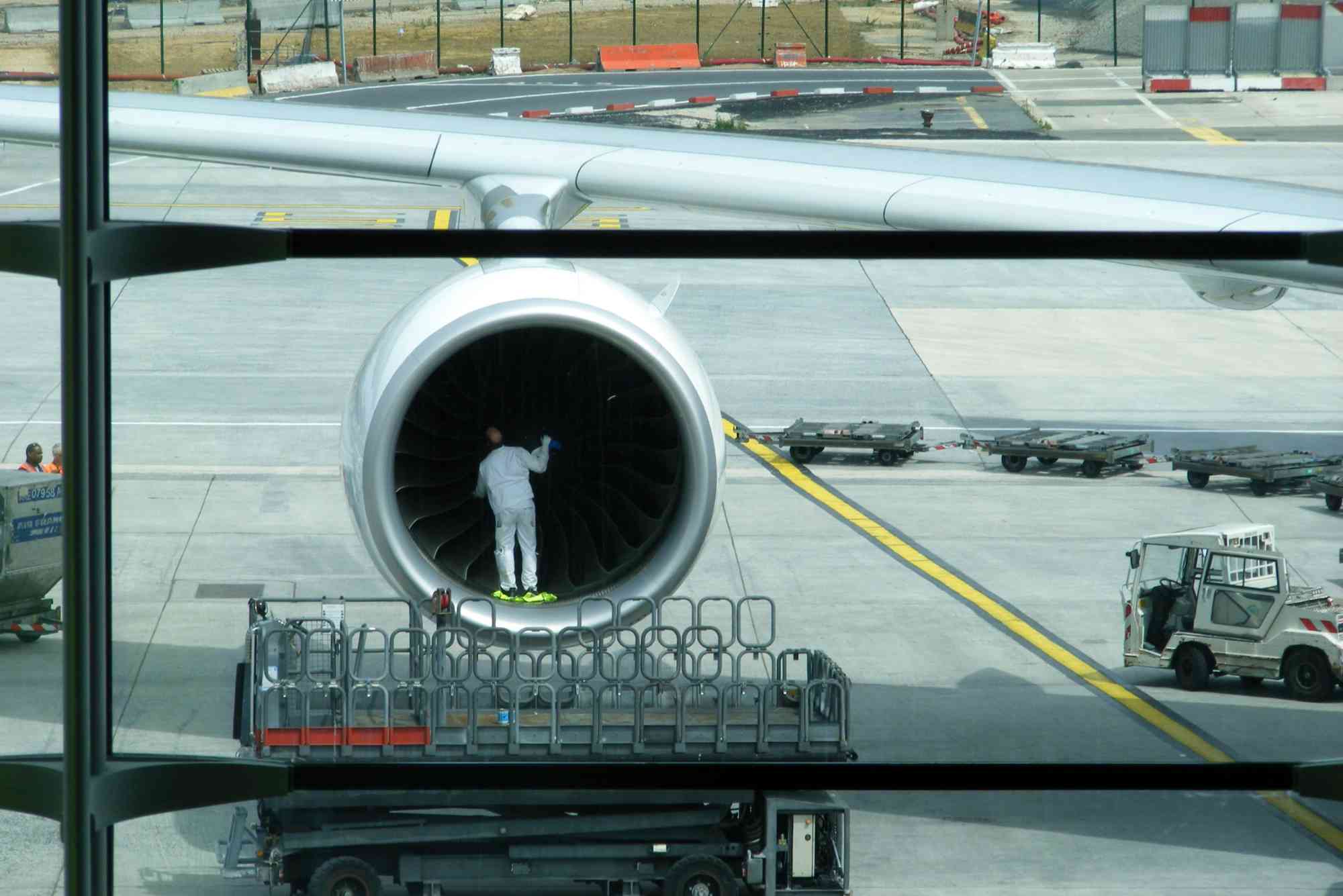
Engine Alliance GP7000: A Deep Dive into Its Specifications
The aviation industry thrives on precision engineering, reliability, and performance. Among the many engines that have shaped modern air travel, the Engine Alliance GP7000 holds a unique place. Developed to power the Airbus A380, this turbofan engine reflects the collaborative expertise of two of the most renowned aerospace companies: General Electric (GE) and Pratt & Whitney. In this article, we will take a deep dive into the Engine Alliance GP7000, exploring its design, specifications, performance capabilities, and why it continues to be a remarkable achievement in aerospace engineering.
The Origins of the Engine Alliance GP7000
The GP7000 is the product of a joint venture between GE Aviation and Pratt & Whitney, both giants in the aerospace sector. Initially, both companies had considered developing competing engines for the Airbus A380, but recognizing the challenges and high costs of such an endeavor, they decided to form the Engine Alliance in 1996. This collaboration allowed them to pool expertise, share costs, and create a powerful, efficient, and reliable engine tailored for the superjumbo aircraft.
The Airbus A380, known as the world’s largest passenger airliner, required engines that could deliver exceptional thrust while maintaining efficiency and meeting strict environmental regulations. The GP7000 emerged as one of two engine options for the aircraft, the other being the Rolls-Royce Trent 900. Airlines were given the choice between the two, and the GP7000 gained notable popularity, particularly with carriers based in the Middle East.
Technical Specifications of the Engine Alliance GP7000
At the heart of the GP7000 is its high-thrust turbofan design. The engine is capable of producing approximately 74,735 pounds of thrust, making it one of the most powerful commercial jet engines in operation. To achieve this performance, the engine combines advanced materials, innovative design features, and lessons learned from earlier generations of engines.
The GP7000’s fan diameter measures around 116 inches, a size that ensures efficient air intake and improved fuel burn performance. The bypass ratio, a critical factor in determining efficiency, is about 8.7:1, which places it among the more efficient engines for large widebody aircraft. Its overall pressure ratio is approximately 41:1, reflecting its ability to compress air effectively and generate greater power output.
One of the standout features of the GP7000 is its modular design. The engine is built from core technologies proven in both GE and Pratt & Whitney product lines. For instance, the low-pressure system is derived from Pratt & Whitney’s expertise, while the high-pressure core design is based on GE’s successful GE90 program. This hybridization allowed the GP7000 to benefit from the strengths of both manufacturers.

Performance and Reliability in Real Operations
Performance is where the GP7000 truly shines. It is designed not only to provide immense thrust but also to optimize fuel efficiency for long-haul flights. With the A380 often operating routes of more than 14 hours, fuel efficiency directly impacts airline profitability. The GP7000 has been noted to offer a competitive edge in terms of fuel burn when compared to the Trent 900, depending on specific airline operations.
Reliability is another cornerstone of the GP7000’s success. Airlines operating the A380 with these engines, including Emirates, Air France, Etihad Airways, and Korean Air, have reported high dispatch reliability. This means the engines rarely cause flight delays or cancellations, a factor that directly influences passenger satisfaction and airline reputations.
The GP7000 has also been praised for its lower maintenance requirements. Thanks to its modular design, individual sections of the engine can be serviced without the need for a complete teardown, saving both time and costs for airlines. Additionally, its durability has been proven across thousands of flight cycles, with many engines exceeding expectations in terms of time on wing before requiring major overhaul.
Environmental Considerations
Aviation is increasingly under scrutiny for its environmental impact, and engines play a significant role in emissions and noise levels. The GP7000 was designed with these factors in mind. Its lower fuel burn translates to reduced carbon dioxide emissions per passenger, especially significant for the A380, which carries upwards of 500 passengers in standard configurations.
Noise compliance was another critical requirement for the A380 program. The GP7000 meets the stringent Chapter 4 noise standards set by the International Civil Aviation Organization (ICAO). Its advanced fan and nacelle design minimize noise footprint, which is particularly important for operations into airports with strict noise restrictions.
The Role of the GP7000 in Airbus A380 Operations
The Airbus A380 program has faced challenges over the years, particularly in terms of demand for such a large aircraft. However, during its prime, the A380 became the flagship of several airlines, and the GP7000 played a pivotal role in its success. Emirates, the largest operator of the A380, initially ordered aircraft powered by both engine types but eventually leaned heavily toward the GP7000 due to its favorable operating economics.
The engine’s adaptability to hot and sandy environments also made it particularly attractive to airlines based in the Middle East. Operating in such regions puts engines under significant stress due to high temperatures and air quality challenges, yet the GP7000 has proven resilient and dependable in these conditions.
Advancements and Legacy of the Engine Alliance GP7000
While the production of the Airbus A380 ended in 2021, the GP7000 continues to operate across fleets worldwide. Its development left a legacy of collaboration in aerospace engineering, demonstrating how two competitors could come together to create a best-in-class product. The lessons learned from the GP7000 program continue to inform future engine designs, particularly in terms of modularity, efficiency, and environmental considerations.
The GP7000 also stands as a testament to the importance of long-term vision in aviation. Although the A380 did not achieve the sales figures Airbus initially hoped for, the engines that powered it remain engineering marvels that delivered on performance, efficiency, and reliability.
FAQs
What aircraft uses the Engine Alliance GP7000?
The GP7000 exclusively powers the Airbus A380, the world’s largest passenger airliner.
How much thrust does the GP7000 produce?
The GP7000 generates approximately 74,735 pounds of thrust, making it one of the most powerful turbofan engines in commercial aviation.
Who manufactures the GP7000?
The GP7000 is produced by Engine Alliance, a joint venture between General Electric Aviation and Pratt & Whitney.
How does the GP7000 compare to the Rolls-Royce Trent 900?
Both engines meet the requirements of the A380, but the GP7000 has been noted for its lower fuel burn in specific operations and lower maintenance costs.
Is the GP7000 still in production?
No new GP7000 engines are being produced since the end of Airbus A380 production, but existing engines continue to be supported for airline operations.
The Engine Alliance GP7000 is more than just a turbofan engine; it represents a remarkable collaboration between two aerospace giants and a critical component of one of aviation’s most ambitious projects, the Airbus A380. With its impressive thrust, efficiency, and reliability, the GP7000 has earned its place in aviation history. Even as the era of the A380 gradually winds down, the engine continues to showcase the pinnacle of engineering innovation and operational excellence.