
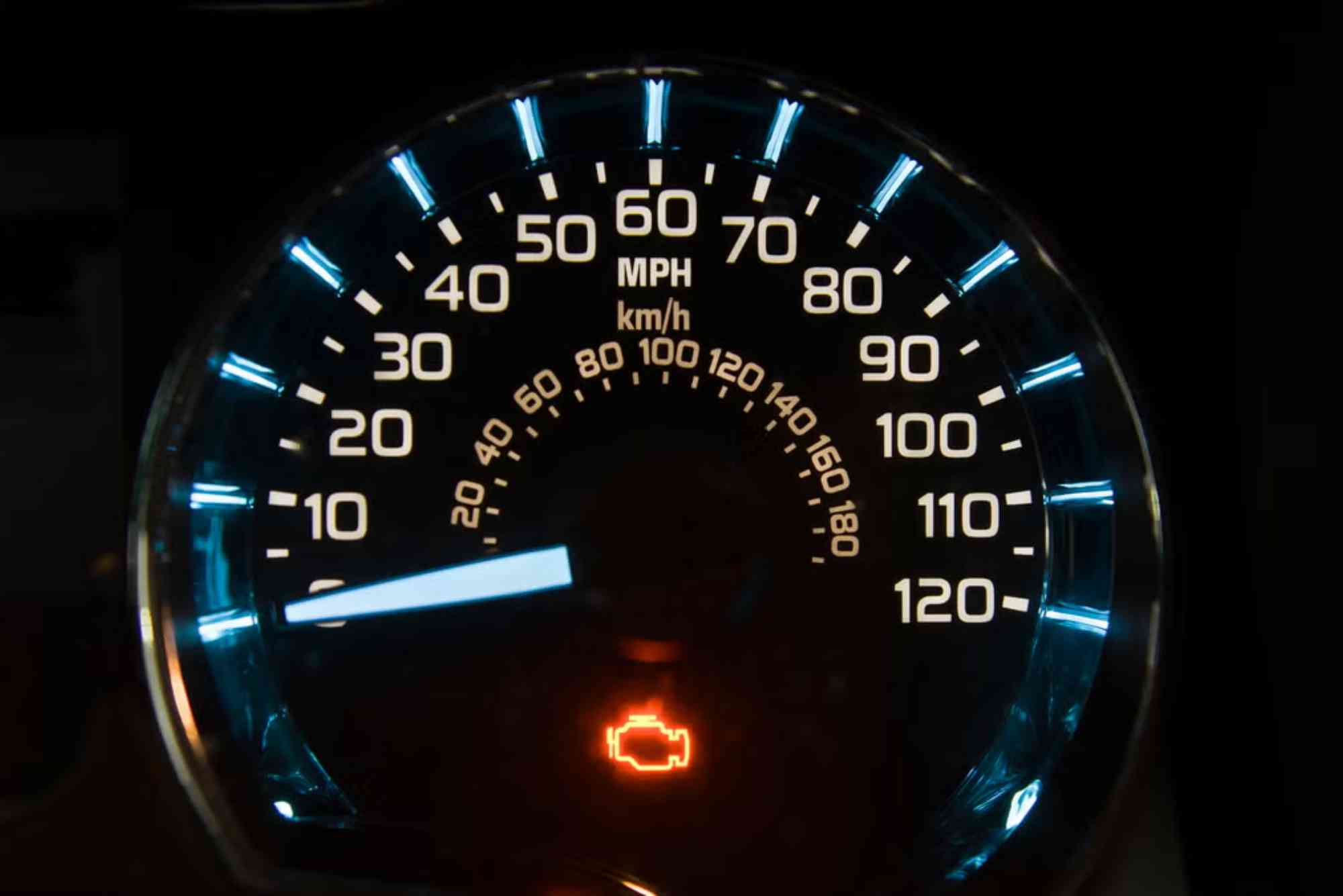
Engine Light Blinking and Then Stopping: What Does It Mean
The check engine light is one of the most confusing warnings for drivers. Sometimes it stays on, sometimes it blinks, and in some cases, it blinks for a while and then stops. If you have recently noticed your engine light blinking then stopping, you might be left wondering whether to ignore it or rush to the mechanic. Understanding what this warning means, why it happens, and how to respond can save you from costly repairs and potential breakdowns. In this article, we will explore the reasons behind this issue, what actions you should take, and when it is safe to keep driving.
Why Does the Engine Light Blink?
The check engine light is connected to your car’s onboard diagnostic system (OBD-II). Its primary role is to alert you when something is not functioning correctly in the engine or emissions system. When the light blinks instead of staying steady, it usually indicates a misfire in one or more cylinders. A misfire means that the fuel-air mixture is not burning properly, which can send unburned fuel into the exhaust system. This creates a risk of damaging the catalytic converter.
In contrast, a solid check engine light often signals a less urgent issue, such as a loose gas cap or a faulty sensor. A blinking light, even if it stops later, should never be taken lightly.
Engine Light Blinking Then Stops: What It Means
When you notice the engine light blinking then stopping, it suggests that the misfire or fault was temporary. The problem may have corrected itself, or it may only appear under certain driving conditions such as high speeds, heavy acceleration, or cold starts. While the blinking may stop, the system still stores error codes that a diagnostic scan can reveal. Ignoring these intermittent signals can lead to bigger problems later.
Common Causes of Engine Light Blinking Then Stopping
Temporary Engine Misfire
One of the most common reasons for the engine light to blink and then stop is a temporary misfire. This can occur if the fuel quality is poor, if the spark plug momentarily misfires, or if the ignition coil fails briefly.
Faulty Spark Plugs or Ignition Coils
Worn-out spark plugs or ignition coils can cause intermittent misfires. They may work properly most of the time but occasionally fail, triggering the blinking light that disappears once the engine stabilizes.

Fuel Delivery Problems
Issues such as a clogged fuel injector or dirty fuel filter can disrupt fuel flow, causing the engine to misfire only at specific times. When conditions return to normal, the light stops blinking.
Sensor Malfunctions
Modern cars rely on multiple sensors, including the oxygen sensor, mass airflow sensor, and crankshaft position sensor. If one of these provides incorrect data even for a few seconds, the engine light may blink and then turn off once the readings stabilize.
Moisture or Temporary Electrical Faults
Moisture in the ignition system, loose wiring, or temporary glitches in the car’s computer can also cause this issue. These often resolve themselves, but the system still logs a code.
Is It Safe to Drive When the Engine Light Blinks and Stops?
In most cases, if the engine light only blinks briefly and then stops, the car may still drive normally. However, this does not mean the problem has gone away. Even a short misfire can stress the catalytic converter and other engine components. Continuing to drive without diagnosing the issue could turn a minor repair into a major expense. If you are on the road when the blinking happens, reduce your speed and avoid hard acceleration. Once it stops, schedule a diagnostic check as soon as possible.
What to Do If Your Engine Light Blinks and Then Stops
Perform a Diagnostic Scan
The first step is to use an OBD-II scanner to check for stored trouble codes. Even if the light is off, the codes remain in the system. Many auto parts stores provide free scanning services.
Inspect Spark Plugs and Ignition Components
Check if your spark plugs, ignition coils, and wires are in good condition. Replacing worn components can often solve the problem quickly and inexpensively.
Check Fuel Quality and Injectors
If you recently refueled, consider whether poor-quality fuel could be the cause. Using a fuel system cleaner or professional injector cleaning may help.
Look for Wiring and Sensor Issues
Loose connections or dirty sensors can trigger intermittent errors. Inspecting and cleaning sensors such as the MAF sensor or oxygen sensor can restore normal performance.
Visit a Mechanic for Professional Diagnosis
If you cannot find the cause on your own, it is best to let a mechanic perform a full diagnostic test. They can confirm whether the issue is minor or if it risks damaging the engine.
Long-Term Risks of Ignoring the Warning
Ignoring the engine light blinking then stopping may lead to long-term damage. A persistent misfire can cause overheating of the catalytic converter, which is a very costly repair. It can also reduce fuel efficiency, increase emissions, and eventually damage pistons or valves. In some cases, the engine may go into limp mode to prevent further harm, leaving you stranded. Taking action early helps you avoid these risks.
Preventing Engine Light Issues
You can reduce the chances of seeing your engine light blink by maintaining your car regularly. Schedule routine inspections, replace spark plugs at recommended intervals, use high-quality fuel, and keep sensors clean. Preventive maintenance is always cheaper and safer than emergency repairs.
FAQs
Why did my check engine light blink and then go off?
It likely means your engine misfired temporarily. Even if it goes off, the issue should be checked.
Can low fuel cause the engine light to blink?
Yes, low fuel or poor-quality fuel can cause misfires, which may trigger the blinking light.
Does the engine light reset itself?
Sometimes the light turns off if the condition no longer exists, but the trouble code stays stored in the system.
Should I worry if my engine light stopped blinking?
Yes, because it means there was still a problem. Ignoring it could lead to costly damage later.
Can I drive if my check engine light blinks briefly?
You can usually drive short distances safely, but you should get the vehicle checked as soon as possible.
An engine light blinking then stopping is a warning you should never ignore. Even if it disappears, the system is telling you that something went wrong inside your engine. The problem might be small now, such as a spark plug misfire or bad fuel, but if left unchecked, it can grow into a serious repair. By performing a diagnostic scan, inspecting key components, and seeking professional help when needed, you can protect your car and your wallet.