
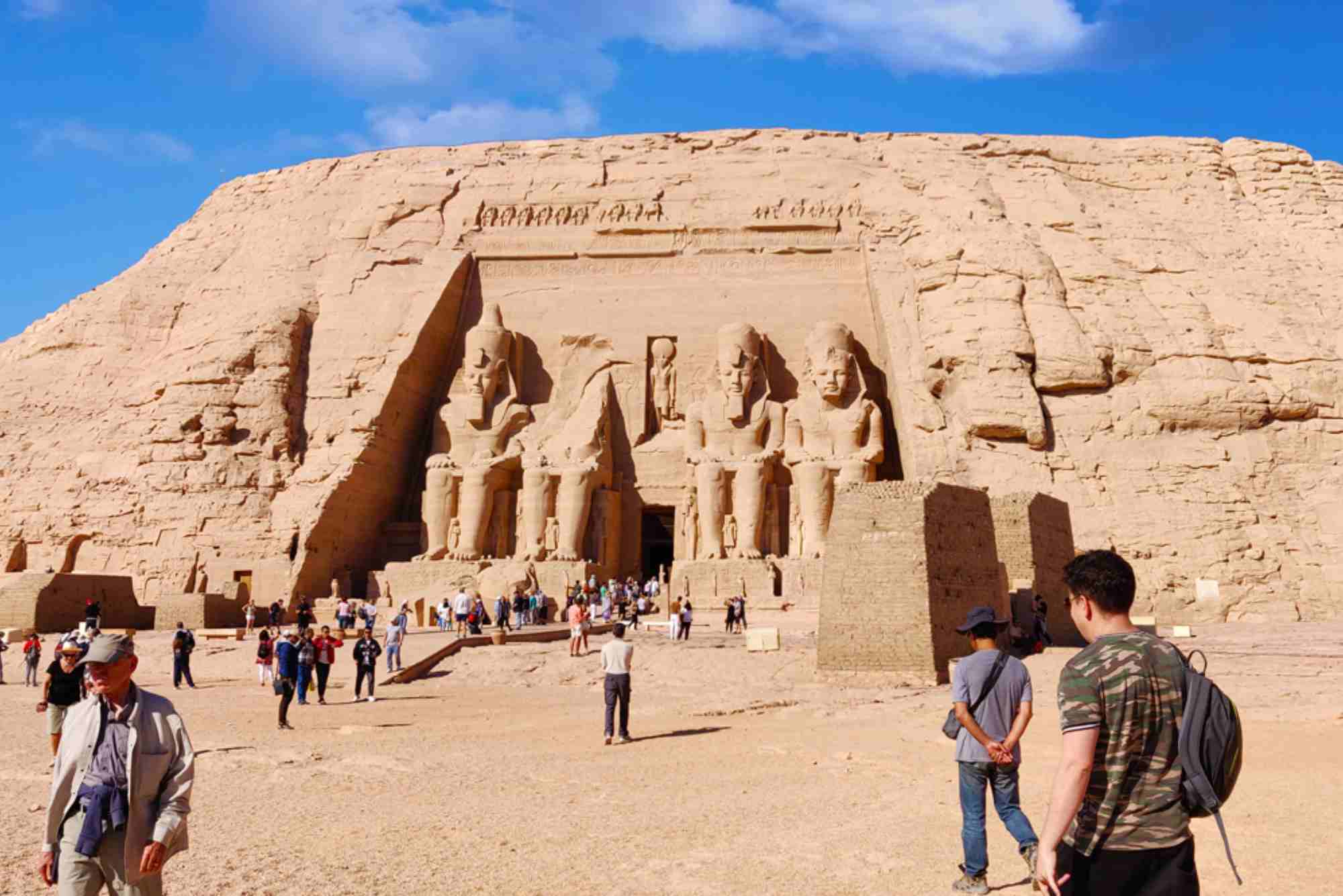
Everything About Wiki Travel – A Complete Guide
If you’ve ever searched online for a travel guide that’s both comprehensive and community-driven, chances are you’ve come across Wiki Travel. But what exactly is Wiki Travel, and why has it become a go-to resource for thousands of travelers worldwide? Whether you’re planning a budget trip, a luxury escape, or an off-the-beaten-path adventure, this complete guide will help you understand everything about Wiki Travel—its features, strengths, limitations, and how to make the most of it.
Wiki Travel is an open-content travel guide created by travelers, for travelers. Much like Wikipedia, it relies on user contributions to stay updated and relevant. This collaborative model allows for firsthand tips, localized insights, and timely travel information. With thousands of destinations listed and continually updated content, Wiki Travel serves as a digital travel companion that’s as dynamic as the journeys it inspires. Unlike commercial travel platforms that promote sponsored content, Wiki Travel offers unbiased travel information. It’s not about booking hotels or flights—it’s about giving you the information to make those choices wisely. From visa details and safety tips to local customs and hidden gems, Wiki Travel is a one-stop shop for travel knowledge.
What Makes Wiki Travel Unique
Community-Driven Content
Wiki Travel’s content is curated and edited by volunteers around the world. This means you’re getting information from real travelers who have firsthand experience. It also encourages locals to share insights that typical travel sites might overlook. The result is rich, authentic, and up-to-date travel content.
Free and Open Access
One of the biggest advantages of using Wiki Travel is that it’s completely free. No subscriptions, no ads, and no paywalls. You can access all its information from any device, anywhere in the world. This makes it an excellent tool for budget travelers, backpackers, and students.
Easy Navigation and Structure
Each destination page follows a clear and consistent format. You’ll typically find sections like “Understand,” “Get In,” “Get Around,” “See,” “Do,” “Buy,” “Eat,” “Drink,” and “Sleep.” This organized structure makes it easy to find exactly what you’re looking for—whether it’s the best street food in Bangkok or visa requirements for Morocco.
Multilingual Support
Although English is the most popular language on Wiki Travel, the platform supports multiple languages. This makes it accessible to a global audience and allows non-English speakers to share and benefit from travel knowledge in their native tongue.

Up-to-Date Local Information
Traditional travel guidebooks go out of date quickly. Wiki Travel, on the other hand, is constantly updated by its community. If a new regulation is passed, a road is closed, or a new tourist attraction opens, there’s a good chance it will be reflected in Wiki Travel’s content far faster than in print media.
How to Use Wiki Travel Effectively
Planning Your Trip
Start by searching for your destination on Wiki Travel. Let’s say you’re traveling to Istanbul. The Istanbul page will include everything from a brief overview to transport details, sightseeing spots, and local etiquette. You can build your itinerary just by reading through the relevant sections.
Comparing Destinations
Not sure whether to visit Bali or Phuket? Use Wiki Travel to compare destination pages. Look at cost of travel, visa info, top attractions, and cultural tips. It’s a great way to make an informed choice without the bias of tourism marketing.
Learning Local Customs
Cultural faux pas can make or break your travel experience. Wiki Travel’s “Respect” and “Stay Safe” sections are particularly valuable. You’ll learn what to wear in conservative areas, how to greet locals, and even how to avoid common scams.
Navigating Transport Systems
From local bus routes to ferry schedules and ride-hailing apps, Wiki Travel helps you understand how to get around. It’s particularly helpful in places where public transport can be confusing for outsiders.
Exploring Hidden Gems
While most travel websites focus on popular tourist spots, Wiki Travel often highlights lesser-known attractions and experiences. This allows you to explore beyond the typical tourist path and discover unique aspects of each destination.
Limitations of Wiki Travel
Varying Content Quality
Since anyone can contribute, the quality and depth of content can vary from one page to another. Major cities and popular destinations usually have comprehensive entries. However, lesser-known places might have sparse or outdated information.
Risk of Inaccuracy
Although there’s a review process, some pages might contain outdated or incorrect details, especially if they haven’t been updated recently. Always cross-reference with official government sites for things like visa policies, safety alerts, or health advisories.
Limited Multimedia
Wiki Travel is text-heavy. Unlike other travel sites that include rich images or videos, Wiki Travel sticks to its wiki-style format. While this keeps pages fast-loading and distraction-free, it might not be as visually engaging.
Why Travelers Still Love Wiki Travel
Despite its limitations, Wiki Travel remains a favorite tool among frequent and independent travelers. Its grassroots nature promotes transparency and trust. There’s no hidden agenda—just real people sharing real experiences. It’s also a powerful reminder that travel isn’t just about consuming services; it’s about participating in a global community.
Wiki Travel helps you become a more informed, respectful, and resourceful traveler. It’s not just about where to go, but how to go there with awareness and adaptability. In a world filled with commercialized travel content, Wiki Travel stands out as a rare example of digital altruism.
Tips for Contributing to Wiki Travel
If you’ve benefited from Wiki Travel, consider giving back. Sign up as a contributor and update information about places you’ve visited. Add details that weren’t previously mentioned or correct outdated entries. Your input could make someone else’s journey safer, smoother, and more enriching.
You can also contribute by uploading free-use photos, fixing typos, or translating pages into other languages. Wiki Travel thrives on community, and every small edit helps the platform grow.
Best Alternatives to Wiki Travel
While Wiki Travel is a solid resource, it’s always wise to supplement your research. Some good alternatives include:
- Wikivoyage: A fork of Wiki Travel with similar content but often more up-to-date.
- Lonely Planet’s website: Offers well-curated travel guides and tips.
- TripAdvisor: Useful for reviews and recent traveler experiences.
- Culture Trip: Great for inspiration and storytelling-style travel articles.
- Google Travel: Offers integrated tools for booking and trip planning.
Using Wiki Travel in combination with these resources gives you a more rounded view of your destination.
Wiki Travel is more than just an online guide—it’s a community-powered tool that brings the spirit of global exploration to your fingertips. From city maps and cultural dos and don’ts to budget tips and offbeat suggestions, it covers nearly every angle of travel planning. It doesn’t sell anything; it simply informs.
So the next time you’re mapping out your adventure, don’t overlook this open-source gem. And if you’ve found it helpful, consider contributing your own experiences—it’s how the cycle of meaningful travel continues. Ready to explore the world with confidence? Bookmark Wiki Travel and start planning your next journey today.
FAQ
Is Wiki Travel reliable?
Wiki Travel can be reliable for general information, especially on popular destinations. However, since it’s user-edited, it’s best to verify critical details like health advice or visa rules from official sources.
Who runs Wiki Travel?
Originally launched in 2003, Wiki Travel has gone through different ownerships. It is now managed as a community-editable project, similar to Wikipedia, although it has no direct affiliation with the Wikimedia Foundation.
What is the difference between Wiki Travel and Wikivoyage?
Wikivoyage was created by former Wiki Travel contributors and is now hosted by the Wikimedia Foundation. Both platforms have similar content structures, but Wikivoyage is often considered more actively maintained.
Can I edit Wiki Travel pages?
Yes, anyone can create an account and start editing. However, edits should follow the platform’s guidelines and maintain a neutral tone. Your input can be reviewed by other editors for accuracy.
Does Wiki Travel have an app?
As of now, there is no official mobile app, but the website is mobile-friendly. Some third-party apps may use Wiki Travel data, but they’re not officially affiliated.
Is Wiki Travel good for solo travelers?
Absolutely. Solo travelers benefit from tips on safety, local customs, and budget-friendly options. The firsthand insights from other travelers are especially valuable for navigating unfamiliar places.