
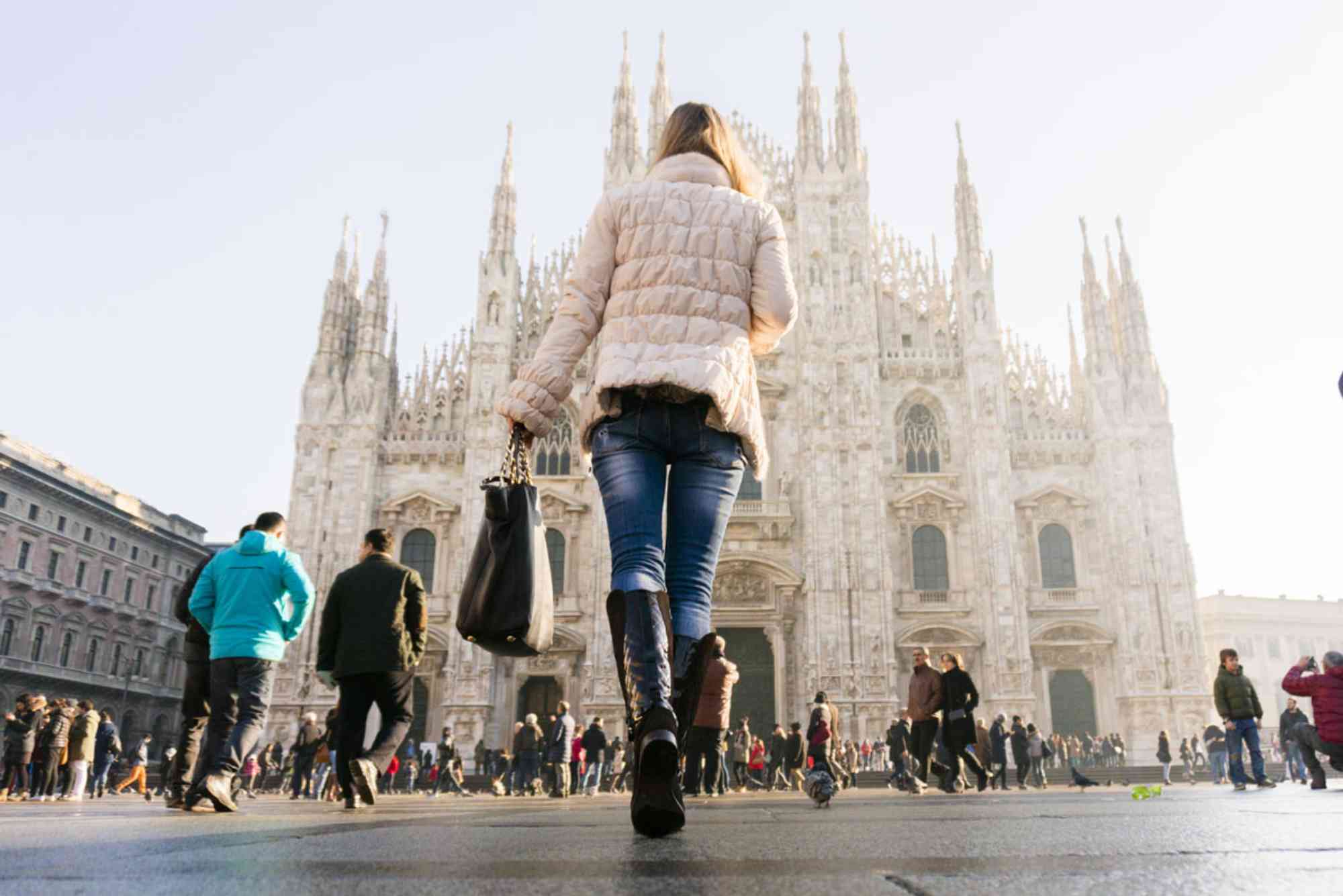
Top 10 Reasons Why You Should Travel to Europe
Europe has long captured the hearts of travelers from all corners of the world. Whether it’s the cobblestone streets of Paris, the ancient ruins of Rome, or the majestic fjords of Norway, the continent offers a diverse array of experiences. If you’re wondering why travel to Europe, the answer lies in a perfect blend of culture, cuisine, history, and natural beauty. Here are ten compelling reasons that will inspire you to pack your bags and explore this extraordinary continent.
Cultural Diversity in a Small Geographic Area
One of the most fascinating aspects of Europe is how much cultural variety exists within such close proximity. You can have breakfast in Amsterdam, lunch in Brussels, and dinner in Paris—all in one day. Each country, and even region, boasts its own unique customs, traditions, and languages. From flamenco dancing in Spain to tea ceremonies in England, cultural immersion is easy and incredibly rewarding.
Europe’s rich tapestry of languages and traditions gives travelers an opportunity to experience the world in a condensed space. Unlike other continents, where cultural shifts require long flights, Europe allows you to cross borders and enter a completely new cultural atmosphere within hours.
A Deep Dive Into History
Europe is a living museum. It holds centuries of history, from the Roman Empire to the Renaissance, and from World Wars to the rise and fall of empires. When you travel to Europe, you walk through stories. Standing inside the Colosseum, wandering the ruins of Athens, or exploring the battlefields of Normandy allows you to connect deeply with the past.
Castles, ancient cities, and centuries-old churches bring history to life in a way no textbook ever could. Museums like the Louvre, the British Museum, and the Vatican Museums preserve and exhibit the world’s most significant artifacts. Whether you’re a history buff or a casual traveler, Europe’s historical depth enriches your journey.
World-Class Architecture
European cities are architectural masterpieces. From the baroque cathedrals of Vienna to the art nouveau buildings in Prague, architecture here is more than just construction—it’s an art form. Each structure tells a story, whether it’s the grandeur of Parisian boulevards or the fairytale allure of German towns like Rothenburg ob der Tauber.

In addition to iconic landmarks like the Eiffel Tower, Big Ben, and the Sagrada Familia, many smaller cities offer architectural gems waiting to be discovered. The blending of old and new is striking—medieval walls coexist with modern design in places like Berlin and Copenhagen.
Culinary Delights for Every Palate
Europe is a food lover’s paradise. Each country offers a culinary identity that reflects its culture and history. Italian pasta, French pastries, Spanish tapas, Greek gyros, and Turkish kebabs all have one thing in common—they’re delicious.
In addition to traditional dishes, Europe’s food scene includes bustling farmers’ markets, Michelin-starred restaurants, and cozy village eateries. Whether you’re savoring fresh croissants in a Paris café or enjoying fresh seafood along the Amalfi Coast, every meal feels like a celebration. Food is one of the top reasons why many people choose to travel to Europe.
Efficient Transportation Makes Exploring Easy
Another major reason why travel to Europe is so appealing is the ease of getting around. Thanks to a well-developed network of trains, buses, and budget airlines, traveling between countries is both affordable and efficient. The Eurail system alone connects over 30 countries, making multi-country trips simple to plan.
Even within cities, public transport is clean, safe, and reliable. High-speed trains connect major cities like Paris, London, Berlin, and Rome in just a few hours. You can explore big cities and quaint towns without needing a car or navigating confusing systems.
Natural Beauty Across the Continent
While Europe is famous for its cities, its natural landscapes are equally stunning. The Swiss Alps offer world-class skiing and snowboarding. The Norwegian fjords provide breathtaking views and tranquil boat rides. Croatia’s Adriatic coast boasts crystal-clear waters and serene beaches.
You can hike in Scotland’s highlands, explore the lavender fields of Provence, or take a scenic drive through the Black Forest in Germany. The diversity of Europe’s geography—beaches, mountains, lakes, forests—means that nature lovers will never run out of things to explore.
Art and Literature at Every Turn
Art and literature are embedded in Europe’s DNA. The continent has produced countless influential artists and writers, from Shakespeare and Goethe to Picasso and Van Gogh. Major art capitals like Florence, Madrid, and Amsterdam offer world-famous galleries that house masterpieces from nearly every era.
In Europe, art isn’t confined to museums. Street murals, sculptures in public squares, and local artist exhibitions are part of everyday life. Likewise, literary landmarks like Jane Austen’s Bath, Kafka’s Prague, and the Brontë sisters’ Yorkshire add another layer of richness to your travels.
Festivals That Celebrate Life
Festivals in Europe are vibrant, frequent, and deeply rooted in tradition. Whether it’s Oktoberfest in Germany, La Tomatina in Spain, or Carnival in Venice, these celebrations are worth planning a trip around. Music festivals like Tomorrowland in Belgium or classical music weeks in Salzburg draw global audiences.
Local fairs and markets—especially during Christmas—transform towns into wonderlands filled with lights, music, and culinary treats. Participating in a local festival allows you to see how communities celebrate culture, religion, and seasons with joy and creativity.
A Safe and Welcoming Environment
Safety is always a concern when planning a trip. Europe consistently ranks as one of the safest regions for travelers. Cities are generally walkable, locals are helpful, and crime rates are relatively low compared to other global destinations. Countries like Switzerland, Austria, and the Scandinavian nations are especially known for their secure environments.
Moreover, English is widely spoken, especially in tourist areas, making communication easier. Whether you’re a solo traveler, couple, or family, Europe offers a welcoming and traveler-friendly atmosphere.
Ideal for Every Type of Traveler
One of the greatest advantages of Europe is its universal appeal. Whether you’re a backpacker on a budget, a honeymooner seeking romance, a retiree in search of history, or a family looking for fun, Europe has something for you. The continent offers an unmatched variety of travel experiences.
From luxury resorts to affordable hostels, from adrenaline sports to quiet nature walks, Europe fits every personality and travel goal. It’s this flexibility and range that make it a dream destination for millions every year.
Europe Awaits You
Europe is more than a destination; it’s a life-enriching journey that offers a little bit of everything. Whether you’re drawn to its historical landmarks, artistic heritage, natural wonders, or cultural vibrancy, the continent promises unforgettable memories. Now that you know why travel to Europe is a question with countless exciting answers, it’s time to start planning your adventure.
Frequently Asked Questions
Why is Europe a popular tourist destination?
Europe offers a rich mix of culture, history, food, art, and natural beauty. Its compact geography allows travelers to visit multiple countries in one trip, making it both accessible and exciting.
What is the best time to travel to Europe?
The best time depends on your interests. Spring (April–June) and fall (September–October) offer pleasant weather and fewer crowds. Summer is ideal for festivals and beaches, while winter is perfect for skiing and Christmas markets.
Do I need a visa to travel to Europe?
It depends on your nationality. Many travelers from North America, Australia, and parts of Asia can enter the Schengen Area for up to 90 days without a visa. Always check specific requirements based on your country of origin.
Is Europe expensive to travel?
It can be, but it’s also manageable on a budget. Eastern European countries are generally more affordable than Western ones. Traveling during the off-season, staying in hostels, and using budget airlines can significantly cut costs.
How many days do you need to travel Europe?
There’s no one-size-fits-all answer. A two-week trip allows you to explore 2–3 countries comfortably. However, even a 7-day trip can be fulfilling if you focus on one region or country.