
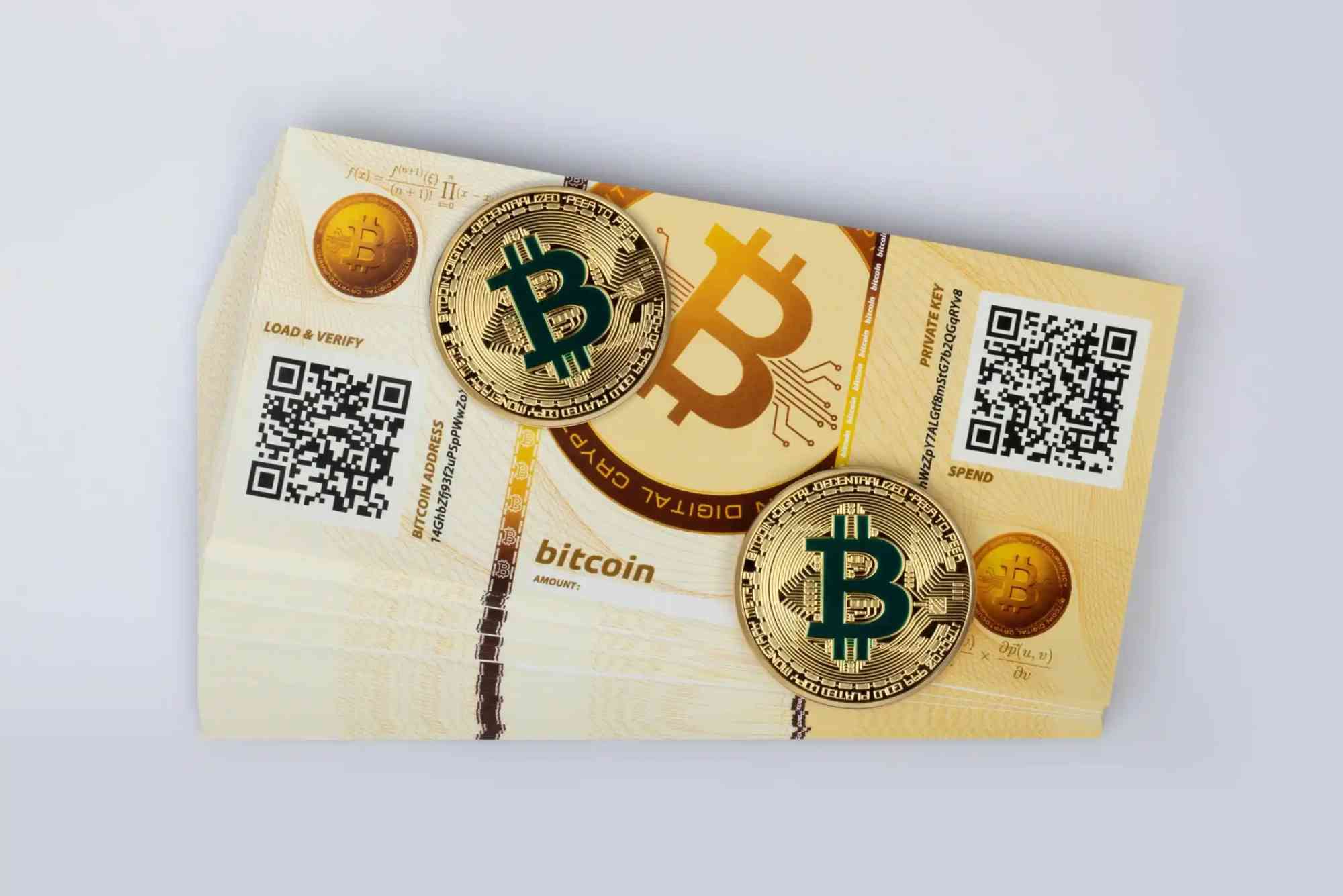
What Is a Paper Wallet? A Guide to Offline Crypto Storage
As cryptocurrency continues to grow, so does the importance of securing digital assets. With numerous hacks and scams targeting exchanges and online wallets, many investors are turning to offline methods. One of the most talked-about solutions is the paper wallet. But what is a paper wallet, and how does it help keep your crypto safe?
In this guide, we’ll explore the concept of paper wallets, their pros and cons, and how they compare to other forms of storage. Whether you’re a new investor or a seasoned holder looking for better security, understanding how paper wallets work can help protect your funds.
What Is a Paper Wallet?
A paper wallet is a physical document that contains a cryptocurrency’s public and private keys. These keys are usually presented in the form of QR codes, which can be scanned to execute crypto transactions.
Since it’s offline, a paper wallet is considered a type of “cold storage,” meaning it’s not connected to the internet and, therefore, less vulnerable to hacking. This method gives users full control over their crypto without relying on third-party platforms.
How Paper Wallets Work
To fully grasp what a paper wallet is, it’s helpful to understand how public and private keys function in cryptocurrency.
Understanding Keys in Crypto
Every crypto wallet contains two essential keys:

- The public key is like an address. You can share it with others to receive funds.
- The private key is your access code. Whoever holds it can access and move your crypto.
A paper wallet stores both of these keys on a printed sheet. Because it’s disconnected from the internet, the private key remains safe from online threats — as long as the paper is secure.
Generating a Paper Wallet
Creating a paper wallet involves generating a new wallet address and printing the keys:
- Visit a trusted paper wallet generator like bitaddress.org or walletgenerator.net.
- Download the page and disconnect from the internet.
- Open the page offline and generate a new wallet.
- Print the public and private keys.
- Store the printout in a secure place.
Important: Always generate paper wallets offline to avoid online threats. Never save your keys in a file or email.
Why Use a Paper Wallet?
Security is the main reason people choose paper wallets. Let’s explore some of the key benefits.
Offline Protection
Unlike hot wallets (online wallets), paper wallets aren’t exposed to malware, phishing attacks, or server breaches. This makes them ideal for long-term storage of significant crypto amounts.
Full Control
When you use a paper wallet, you don’t rely on exchanges or software providers. This eliminates third-party risks like platform failure, regulatory shutdowns, or insider fraud.
Cost-Effective
Hardware wallets like Ledger or Trezor offer excellent security but can be expensive. A paper wallet is virtually free — you only need a printer and a safe place to store the paper.
Risks and Disadvantages of Paper Wallets
While the concept is secure, paper wallets come with their own set of challenges and risks.
Physical Vulnerability
The biggest downside is that paper can be damaged, lost, or stolen. Fire, water, or simply misplacing the paper can result in permanent loss of your crypto.
Human Error
Creating a paper wallet requires careful steps. Generating the wallet online, saving the keys digitally, or printing them without deleting the file can expose your private key to hackers.
No Recovery Option
If you lose the paper or someone else finds it, there’s no way to recover your funds. Unlike a software wallet with a recovery phrase, a paper wallet has no backup unless you’ve made copies.
Best Practices for Paper Wallet Security
If you choose to use a paper wallet, follow these best practices to enhance safety:
- Generate wallets offline and delete all digital traces.
- Print with a secure printer not connected to cloud services.
- Use waterproof, fire-resistant storage or a safety deposit box.
- Don’t share photos or scans of your wallet with anyone.
- Consider encrypting the private key before printing.
These steps reduce the risk of exposure while maintaining your wallet’s security.
How Does a Paper Wallet Compare to Other Wallet Types?
To decide if a paper wallet is right for you, it’s helpful to compare it with other popular wallet options.
Paper Wallet vs. Hardware Wallet
Both are forms of cold storage. However, hardware wallets offer better durability and additional security features like PIN protection and recovery phrases. But they come at a higher cost.
Paper Wallet vs. Software Wallet
Software wallets (like MetaMask or Trust Wallet) are easy to use and suitable for daily transactions. But they’re connected to the internet, making them more vulnerable to hacks.
Paper Wallet vs. Exchange Wallet
Leaving your crypto on an exchange is convenient, but it exposes you to platform-related risks. Exchanges can get hacked, freeze withdrawals, or go out of business. A paper wallet gives you complete ownership.
When Should You Use a Paper Wallet?
Paper wallets are best suited for storing cryptocurrency that you don’t plan to move frequently. If you’re holding Bitcoin, Ethereum, or another asset for the long term, it can be a cost-effective and secure option.
However, for active trading, frequent transfers, or DeFi interactions, a hot or hardware wallet offers more flexibility.
FAQ – People Also Ask
Is a paper wallet safe?
Yes, but only if handled correctly. It must be generated offline, printed securely, and stored safely to protect against theft, damage, or loss.
Can a paper wallet be hacked?
Directly, no — because it’s offline. However, if you generate or print it online, your private key could be exposed to malware or hackers.
How do I withdraw from a paper wallet?
You can use a crypto wallet app (like Electrum for Bitcoin) to import or sweep the private key. Sweeping transfers the funds to a new wallet.
Are paper wallets still used?
They’re less popular today due to hardware wallets and mobile apps, but they remain a secure method for cold storage among experienced users.
Can I reuse a paper wallet?
It’s not recommended. Once you expose your private key (e.g., during a transaction), it’s safer to generate a new paper wallet.
Is a Paper Wallet Right for You?
Now that you know what a paper wallet is and how it works, you can make an informed decision. Paper wallets offer a secure, offline way to store your crypto — but only if you follow proper steps. They’re ideal for long-term holders who value security and control over convenience.
Still, they’re not perfect. Hardware wallets offer similar benefits with better durability, while software wallets offer ease of use.
If you’re serious about protecting your crypto, consider combining storage methods for optimal safety. Start by researching wallet generators, and always practice secure storage habits.
Ready to take control of your crypto security? Learn more about wallet options and secure your digital assets today. Don’t wait until it’s too late.