
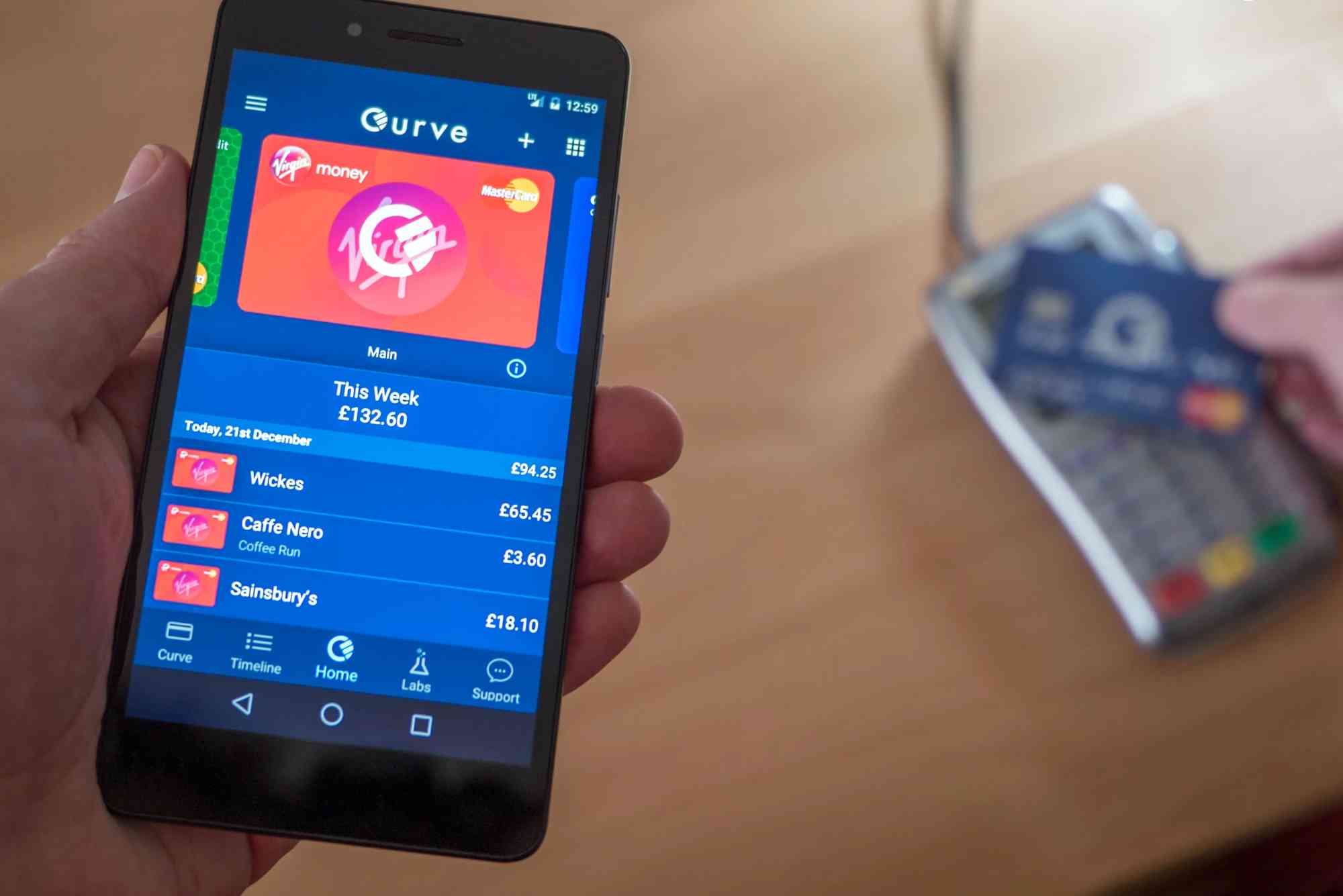
How to Launch a Successful Wallet Startup in 2025
Launching a wallet startup in 2025 is more promising than ever. The digital finance ecosystem is evolving fast, and consumer demand for secure, efficient, and smart wallet solutions continues to rise. Whether you’re targeting mobile payments, cryptocurrency, or all-in-one financial platforms, the opportunity to stand out and scale is significant.
In this guide, we’ll walk you through everything you need to know to launch a wallet startup that’s ready to compete in the dynamic fintech space. From validating your idea to scaling operations, you’ll learn practical steps rooted in real-world startup strategies.
Understanding the Wallet Startup Landscape
Before building your product, you need to understand what a wallet startup actually is. In simple terms, it’s a company offering digital wallet services—platforms where users can store, manage, and transfer digital money. These services can range from peer-to-peer payment apps like Venmo to crypto wallets like MetaMask or multi-service platforms like Paytm.
The global digital wallet market is projected to exceed $25 trillion in transaction value by 2027. This massive shift from physical to digital payments makes 2025 a golden year to enter the space—provided your wallet startup solves a real problem.
What Makes a Wallet Startup Successful?
A successful wallet startup doesn’t just mimic existing apps. It identifies a market gap and solves it better than competitors. The key ingredients are:
- Seamless user experience
- Advanced security features
- Regulatory compliance
- Strategic partnerships
- Strong product-market fit
Step-by-Step Guide to Launching a Wallet Startup in 2025
Validate the Problem You’re Solving
Every startup begins with an idea—but that idea needs validation. Conduct user interviews, surveys, and competitor analysis to identify real pain points. Are users frustrated with cross-border fees? Do small merchants lack digital payment tools? Is there a need for secure crypto storage in developing countries?

Once you’ve validated the problem, craft your unique value proposition. This sets your wallet startup apart.
Choose the Right Wallet Type
There are various wallet types you can build, depending on your target market and regulations.
- Closed wallets: Used within a specific platform or ecosystem (e.g., Starbucks app)
- Semi-closed wallets: Work with partnered vendors and platforms
- Open wallets: Enable users to withdraw cash and make third-party payments (require banking licenses)
- Crypto wallets: Focused on blockchain assets and tokens
Your wallet type impacts your legal structure, technology stack, and go-to-market strategy.
Build a Secure and Scalable Tech Stack
Security is non-negotiable for any wallet startup. Choose a tech stack that offers scalability and reliability from day one.
For the backend, consider Node.js or Python with frameworks like Django or Express. For mobile apps, Flutter or React Native allows cross-platform development. Use end-to-end encryption, multi-factor authentication, and tokenization for user security.
Leverage cloud infrastructure like AWS or Google Cloud for high availability and scalability.
Comply With Legal and Regulatory Standards
In 2025, regulatory scrutiny on fintech has only intensified. Whether you’re building a fiat-based or crypto-based wallet, compliance is critical.
- Register with financial regulators in your operating regions
- Obtain necessary licenses (like a Money Services Business license in the U.S.)
- Implement KYC (Know Your Customer) and AML (Anti-Money Laundering) protocols
Work with legal advisors early on to avoid penalties that could sink your wallet startup before it even launches.
Design for User Experience and Trust
In fintech, design isn’t just aesthetics—it’s about building trust. Your wallet app should offer:
- Fast onboarding
- Simple navigation
- Real-time balance updates
- Instant transaction history
- Transparent fees
Use UX research to test your prototype with real users. Remove friction and keep flows intuitive. Remember: even a slight inconvenience can cause users to abandon your app.
Develop Strategic Partnerships
Your wallet startup can’t grow in isolation. Forge partnerships with:
- Banks and financial institutions
- Payment gateways
- E-commerce platforms
- Telecom providers
These collaborations provide trust, speed up user acquisition, and extend your wallet’s utility.
Companies like GCash in the Philippines or M-Pesa in Kenya became leaders through strategic alliances.
Plan a Targeted Go-To-Market Strategy
When your product is ready, don’t rush the launch. Use a phased approach:
- Launch a beta version for early adopters
- Collect feedback and refine the product
- Use paid campaigns, PR, and referral programs to scale
Build credibility by showcasing testimonials, partnerships, and case studies.
Focus on solving one clear problem for a defined audience. Trying to do everything from day one often leads to failure.
Common Challenges Faced by Wallet Startups
Even with great tech, many wallet startups fail. Knowing the challenges helps you prepare better.
Security Breaches
Hackers target digital wallets. Even a minor security lapse can lead to data theft and destroy user trust. Regular audits and penetration testing are essential.
Regulatory Roadblocks
Regulations change frequently, especially in crypto. Startups that can’t adapt face fines or shutdowns. Stay informed and maintain a legal advisor.
User Acquisition
The fintech space is crowded. Getting people to trust a new wallet startup is hard. Focus on a niche, provide genuine value, and invest in educational content.
Scaling Infrastructure
Sudden spikes in users can crash your app if it’s not optimized. Use cloud autoscaling and modular architecture to stay ahead.
The Role of AI and Blockchain in 2025 Wallet Startups
Emerging technologies are reshaping the wallet landscape. Here’s how to integrate them wisely:
AI for Personalization and Security
AI can help your wallet startup offer smarter financial tools, like spending analysis and saving recommendations. It also boosts fraud detection through behavioral pattern analysis.
Blockchain for Transparency
Even if your wallet isn’t crypto-based, blockchain can improve auditability and trust. You can use private blockchains for transaction records or loyalty systems.
How to Fund Your Wallet Startup
Capital is essential for development, compliance, and marketing.
- Bootstrapping: Start small with personal savings
- Angel investors: Ideal for early stages
- Seed funding: Helps scale your MVP
- VC funding: Supports regional or global expansion
Platforms like AngelList, Crunchbase, and PitchBook help identify the right investors. Have a strong pitch deck, clear revenue model, and market validation to attract interest.
Measuring Success and Scaling
Use key metrics to evaluate your wallet startup’s growth:
- Daily active users (DAUs)
- Customer acquisition cost (CAC)
- Transaction volume
- Churn rate
- Monthly recurring revenue (MRR)
Set quarterly KPIs. Optimize based on data. Scale features or regions that show traction.
As your wallet gains users, expand your offering—maybe by adding crypto support, launching a debit card, or offering microloans.
Build Smart, Scale Wisely
Launching a wallet startup in 2025 is exciting, but it requires thoughtful execution. Success depends on more than just coding a payment app. You must understand user behavior, navigate regulation, prioritize security, and create real value.
Now’s the time to act. The market is waiting for the next wallet startup that truly solves user problems with innovation and trust.
Ready to launch your wallet startup? Start with a clear idea, validate your market, and build a secure product. If you need help from industry consultants, legal experts, or fintech developers—connect with our team today.
FAQ: People Also Ask
What is a wallet startup?
A wallet startup is a company that creates digital wallets—platforms where users can store, transfer, and manage digital money securely.
How much does it cost to start a wallet app?
Costs range from $50,000 to over $500,000 depending on the features, team, and compliance requirements.
Do I need a license to start a wallet startup?
Yes, most regions require financial licenses, especially for open wallets. You’ll also need to comply with KYC and AML laws.
How can a wallet startup make money?
Wallet startups earn from transaction fees, subscriptions, partnerships, and value-added services like lending or investments.
What are examples of successful wallet startups?
Examples include Paytm, Venmo, Cash App, GCash, and MetaMask. Each solves specific problems for different audiences.
How do I ensure security in my wallet app?
Use encryption, tokenization, secure APIs, regular security audits, and two-factor authentication to protect users.