Waha Oil Company: What They Do and How They Impact the Economy
The Waha Oil Company is one of Libya’s most significant oil producers, playing a vital role in the nation’s economic structure and global energy supply. As a joint venture between Libya’s National Oil Corporation (NOC) and several international partners, the company’s operations extend far beyond drilling and production. Waha Oil Company contributes to economic stability, job creation, and international trade, making it a cornerstone of Libya’s petroleum industry. Understanding what Waha Oil Company does and how it impacts the economy provides insights into the importance of oil production not only for Libya but also for the wider global energy market.
What Is Waha Oil Company?
Founded in 1956, Waha Oil Company (WOC) stands as one of the oldest and most productive oil companies in Libya. It operates under the supervision of the National Oil Corporation (NOC), which oversees Libya’s petroleum industry. The company’s name “Waha” means “oasis” in Arabic, symbolizing its role as a source of life and energy in the Libyan desert.
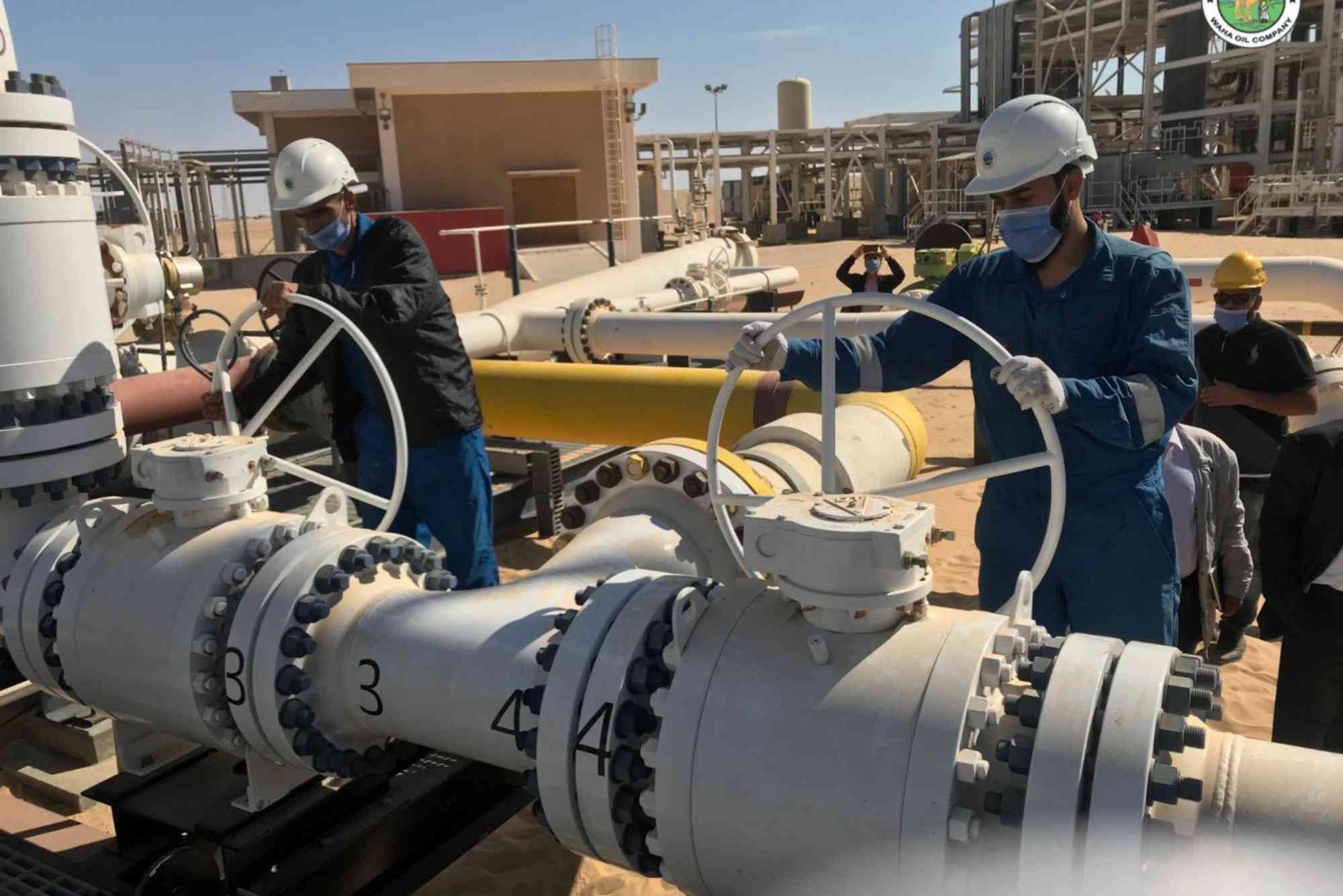
Waha Oil Company operates several large oil fields located in central Libya, such as the Waha, Samah, Dahra, and Gialo fields. These sites collectively produce hundreds of thousands of barrels of crude oil daily, making WOC one of the largest contributors to Libya’s total oil output. The company’s infrastructure includes pipelines, processing plants, and export terminals, ensuring efficient extraction and transportation of crude oil to international markets.
Waha’s partnerships with global energy corporations such as ConocoPhillips, Marathon Oil, and Hess Corporation highlight its importance on the international stage. Through these collaborations, WOC benefits from advanced technologies, improved safety standards, and efficient exploration and production methods.
Waha Oil Company’s Core Operations
Exploration and Production
At the heart of the company’s operations lies oil exploration and production. Waha Oil Company is responsible for discovering new reserves and efficiently managing existing ones. Using seismic technology and modern drilling methods, the company explores new opportunities for oil and gas in Libya’s vast desert landscape. Its production operations include extracting crude oil, processing it to remove impurities, and preparing it for export.
The company’s oil fields are strategically located in the Sirte Basin, one of the most oil-rich regions in North Africa. This basin contributes a major portion of Libya’s oil output, allowing Waha Oil Company to remain a central figure in both national and regional energy production.

Refining and Transportation
While the company primarily focuses on extraction, it also plays a key role in refining and transporting crude oil. Waha operates a network of pipelines that connect its oil fields to export terminals along the Mediterranean coast. From there, the oil is shipped to various international destinations.
This infrastructure not only supports Libya’s export economy but also ensures consistent energy supply to local markets. Through advanced transportation systems, the company maintains a steady flow of crude oil that fuels industries, power plants, and vehicles across multiple regions.
Environmental and Safety Standards
In recent years, Waha Oil Company has placed strong emphasis on environmental protection and sustainable practices. Oil extraction and refining can have major ecological impacts, so the company follows strict safety protocols and environmental regulations. It conducts regular inspections, invests in pollution control technologies, and promotes responsible waste management.
Safety is a top priority for Waha Oil Company. Employees receive continuous training to handle modern equipment and emergency situations. These measures ensure smooth operations while minimizing the risk of accidents or environmental damage.
How Waha Oil Company Impacts the Economy
Contribution to National Revenue
The economic impact of Waha Oil Company on Libya’s economy is immense. Oil exports account for over 90% of Libya’s national income, and WOC contributes a significant share of this figure. The revenue generated from oil production funds public services, infrastructure projects, and government programs that benefit millions of citizens.
Waha’s consistent oil output stabilizes Libya’s economy by generating foreign exchange reserves and attracting international investments. Even during periods of political instability, the company’s operations have often served as a foundation for economic recovery.
Job Creation and Skills Development
Another major economic benefit of Waha Oil Company lies in employment opportunities. The company employs thousands of Libyans, both directly and indirectly. From engineers and technicians to administrative and support staff, Waha provides jobs across multiple sectors.
Additionally, the company invests in training programs that enhance local expertise in petroleum engineering, environmental science, and project management. By developing human capital, Waha Oil Company contributes to the long-term growth and self-reliance of Libya’s workforce.
Infrastructure Development
Oil exploration and production require extensive infrastructure — roads, pipelines, housing, and communication systems. Waha’s investments in these areas have significantly contributed to regional development. Many rural areas surrounding the oil fields benefit from improved roads, electricity, and access to clean water, indirectly improving the quality of life for nearby communities.
The company’s infrastructure projects also support the broader national economy. Ports, refineries, and pipelines developed by WOC help expand Libya’s logistical and trade capacities, allowing for easier export of not just oil but also other goods.
Global Market Influence
On the global stage, Waha Oil Company holds a strategic position. Libya’s high-quality light sweet crude oil is in great demand due to its low sulfur content and high energy efficiency. By maintaining a steady flow of oil exports, WOC helps stabilize supply in the international market, indirectly influencing global oil prices.
The company’s operations also contribute to energy security for European and Asian countries that depend on Libyan oil imports. This makes WOC a vital player in ensuring balanced global energy distribution.
Economic Diversification and Future Vision
Although Libya’s economy remains heavily dependent on oil, Waha Oil Company supports efforts to diversify income sources. The company’s management collaborates with the NOC to explore renewable energy opportunities, focusing on solar and wind energy projects. These initiatives aim to reduce dependency on fossil fuels and promote sustainable growth.
Waha Oil Company’s future vision includes digital transformation, efficiency improvements, and expanding local partnerships to build a more resilient economy. The company’s leadership believes in aligning with global energy transition trends while maintaining Libya’s role as a leading oil producer.
Challenges Faced by Waha Oil Company
Despite its success, the company faces multiple challenges. Political instability, security risks, and aging infrastructure have occasionally disrupted operations. Additionally, fluctuating global oil prices can affect profitability and investment decisions.
WOC also contends with technical difficulties such as equipment maintenance, water management in oil fields, and environmental protection in harsh desert climates. To address these issues, the company continuously modernizes its equipment, adopts new technologies, and strengthens collaboration with international partners. By overcoming these challenges, Waha Oil Company not only sustains production but also reinforces its commitment to supporting Libya’s economic development.
The Waha Oil Company stands as a pillar of Libya’s economy and a key contributor to global energy stability. Through its extensive oil exploration and production operations, it generates vital national revenue, creates thousands of jobs, and fosters infrastructure development across the country. Beyond its economic role, the company’s environmental and safety standards reflect a growing commitment to responsible energy production.
FAQs
What is Waha Oil Company known for?
Waha Oil Company is known for being one of Libya’s largest oil producers. It focuses on oil exploration, production, and export, significantly contributing to the country’s economy.
Who owns Waha Oil Company?
The company is a joint venture between Libya’s National Oil Corporation (NOC) and international partners including ConocoPhillips, Marathon Oil, and Hess Corporation.
Where are Waha Oil Company’s main operations located?
Waha Oil Company operates mainly in the Sirte Basin, central Libya, which is one of the most oil-rich regions in North Africa.
How does Waha Oil Company impact Libya’s economy?
It provides major revenue through oil exports, creates employment opportunities, funds infrastructure, and supports economic stability.
Is Waha Oil Company involved in renewable energy?
While primarily focused on oil, the company is exploring renewable energy opportunities to align with global sustainability trends.