
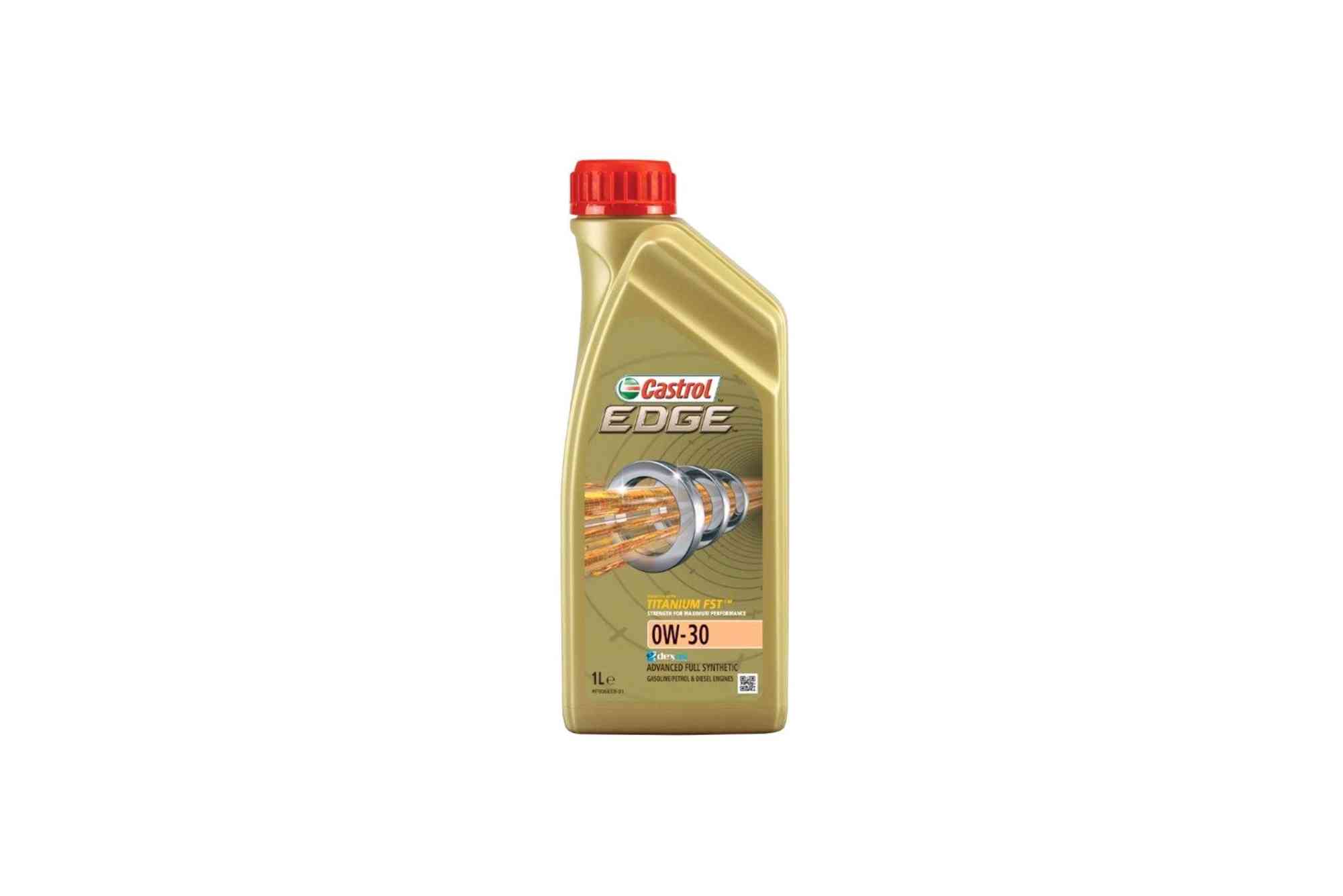
0W30 Oil: What Does It Mean for Your Engine?
When it comes to maintaining your car’s engine, choosing the right motor oil is one of the most important decisions you can make. The label “0W30” is commonly seen on bottles of synthetic motor oil, but what does it really mean? Understanding the 0W30 oil meaning helps you make an informed choice to enhance your engine’s performance, longevity, and fuel efficiency. Many drivers overlook this number code, yet it carries crucial information about the oil’s viscosity and temperature behavior. Whether you drive in extreme cold, mild temperatures, or variable climates, 0W30 oil can make a significant difference in how smoothly your engine runs.
What Does 0W30 Oil Mean?
The label “0W30” is a viscosity grade defined by the Society of Automotive Engineers (SAE). Each part of this code represents how the oil behaves under different temperatures. The “0W” indicates how the oil performs in cold conditions, while the “30” refers to its viscosity or thickness at higher temperatures.
In simple terms, the “0” before the “W” (which stands for winter) means that the oil flows easily even in extremely cold temperatures. This helps your engine start quickly in winter without the oil thickening or resisting flow. The number “30” indicates the oil’s thickness when the engine reaches normal operating temperatures—typically around 100°C. This means that 0W30 oil provides reliable protection across a wide temperature range, making it ideal for drivers in varying climates.
The Science Behind 0W30 Oil
Engine oil serves multiple purposes—it lubricates, cleans, cools, and protects engine parts. To do this effectively, it must maintain the right viscosity under both hot and cold conditions. The key to 0W30 oil meaning lies in its multigrade formulation. Unlike single-grade oils that perform well only at a specific temperature, multigrade oils like 0W30 adapt to temperature changes.
At low temperatures, the oil remains thin enough to circulate quickly, preventing wear during cold starts. At high temperatures, it stays thick enough to protect moving parts from friction and metal-to-metal contact. This adaptability is achieved through advanced additives and synthetic base oils that ensure stable viscosity and prevent breakdown under pressure.
Why Viscosity Matters
Viscosity determines how easily the oil flows through the engine. If the oil is too thick, it struggles to circulate, especially in cold weather. If it’s too thin, it won’t provide enough protection when the engine gets hot. 0W30 strikes a balance between both extremes.

For cold starts, it ensures immediate lubrication, reducing engine wear. During high-speed or long drives, it maintains consistent protection. That’s why many car manufacturers recommend 0W30 oil for modern engines that operate with tighter tolerances and advanced emission systems.
Benefits of Using 0W30 Oil
Using 0W30 oil offers several advantages for both your vehicle and your wallet.
Excellent Cold Start Performance
Because of its low-temperature fluidity, 0W30 oil circulates rapidly during cold starts. This minimizes friction, reduces startup wear, and ensures your engine components receive lubrication instantly—even on freezing mornings.
Enhanced Fuel Efficiency
Low-viscosity oils like 0W30 reduce internal friction, helping the engine run more smoothly and efficiently. This improved efficiency translates into better fuel economy and reduced CO₂ emissions, making it an eco-friendly option.
Superior Engine Protection
0W30 oil forms a strong lubricating film that shields the engine from wear and corrosion. It also maintains stable performance under various driving conditions, whether you’re in city traffic or cruising on the highway.
Improved Engine Cleanliness
High-quality 0W30 synthetic oils contain detergents and dispersants that keep your engine clean. They prevent sludge buildup, carbon deposits, and oxidation, prolonging your engine’s lifespan.
Wide Temperature Range Compatibility
The biggest advantage of 0W30 oil is its versatility. Whether you live in a cold northern region or a moderate climate, it provides dependable protection year-round.
0W30 vs. Other Oils
It’s common to wonder how 0W30 compares with other viscosity grades like 5W30, 0W20, or 10W30. While these oils share similarities, their cold-start and high-temperature characteristics differ.
0W30 vs. 5W30
Both perform well in moderate to cold climates, but 0W30 offers better low-temperature fluidity. This makes it ideal for areas where temperatures drop below freezing.
0W30 vs. 0W20
0W20 is slightly thinner at high temperatures and may offer better fuel efficiency. However, 0W30 provides stronger protection for engines that experience higher loads or older engines that require a thicker oil film.
0W30 vs. 10W30
10W30 oils are more suitable for warmer climates. They don’t perform as well in cold conditions compared to 0W30, which remains fluid even in extreme cold.
Is 0W30 Oil Suitable for Your Car?
Most modern vehicles, especially European and Japanese models, are designed to run efficiently on low-viscosity oils like 0W30. Before switching, check your owner’s manual for the manufacturer’s recommendation. Using oil with the wrong viscosity can affect performance and fuel efficiency.
If your car’s manual lists multiple options, 0W30 is an excellent all-around choice, particularly if you drive in regions with varying seasonal temperatures. It also works well for vehicles with turbocharged engines or advanced start-stop systems, as it provides immediate lubrication and minimizes wear.
Synthetic vs. Conventional 0W30 Oil
Almost all 0W30 oils available today are synthetic. Synthetic oils are engineered for uniform molecular structure, which provides better stability, resistance to oxidation, and extended drain intervals. Conventional oils, made from refined crude oil, cannot achieve the same level of temperature stability or cleanliness.
Synthetic 0W30 oils not only offer better protection and performance but also last longer between oil changes. This means fewer maintenance intervals and long-term savings despite the higher upfront cost.
Common Myths About 0W30 Oil
Thinner oils cause more engine wear.
False. Modern engines are designed to use thinner oils for better lubrication efficiency. 0W30 provides a strong film even at high temperatures.
0W30 is only for cold weather.
Not true. Although it performs exceptionally well in winter, 0W30 also offers stable protection in hot climates.
Switching to 0W30 can damage your engine.
As long as it meets your car manufacturer’s specifications, switching to 0W30 is perfectly safe and may even improve performance.
When to Change 0W30 Oil
While synthetic oils like 0W30 last longer, regular oil changes remain essential. Most vehicles can go 8,000 to 12,000 kilometers between changes with 0W30, depending on driving conditions and manufacturer guidelines. Frequent short trips, dusty environments, or high-speed driving may require more frequent changes. Always replace the oil filter along with the oil to ensure full protection.
Environmental Benefits of 0W30 Oil
In addition to protecting your engine, 0W30 oil helps the environment. Its improved efficiency reduces fuel consumption and lowers carbon emissions. Many synthetic 0W30 oils are also formulated to minimize evaporative losses, contributing to cleaner air and less oil waste.
How to Choose the Right 0W30 Oil
When selecting a 0W30 oil, always check for key industry certifications such as API (American Petroleum Institute) and ACEA (European Automobile Manufacturers’ Association). You can also look for OEM approvals like BMW Longlife, Mercedes-Benz 229.5, or VW 504.00/507.00, depending on your car’s brand. Reputable brands such as Castrol, Mobil 1, Shell, and Valvoline offer premium-quality 0W30 oils suitable for a wide range of engines.
Why 0W30 Oil Is a Smart Choice
Understanding the 0W30 oil meaning gives you insight into how your engine stays protected across all seasons. This advanced synthetic oil ensures smooth startups in cold weather, excellent wear protection in high temperatures, and better fuel economy overall. Whether you own a compact car, SUV, or performance vehicle, 0W30 offers a balanced blend of performance, efficiency, and reliability. If you’re looking to extend your engine’s life and optimize performance, make the switch to high-quality 0W30 synthetic oil today. Check your vehicle’s manual for compatibility and experience smoother, cleaner, and more efficient driving with the right oil choice.
FAQs
What does 0W30 mean in engine oil?
It refers to the oil’s viscosity rating. “0W” means it flows easily in cold weather, and “30” indicates its thickness at high temperatures.
Is 0W30 better than 5W30?
Both are good, but 0W30 performs better in extremely cold conditions, providing quicker lubrication during startup.
Can I use 0W30 oil instead of 5W30?
If your car’s manual allows both, yes. 0W30 can improve cold-start performance without compromising protection.
Is 0W30 oil fully synthetic?
Yes, almost all 0W30 oils are fully synthetic, offering superior performance and protection.
How often should I change 0W30 oil?
Typically every 8,000–12,000 km, but check your vehicle’s manual for exact intervals.
Is 0W30 oil good for hot climates?
Yes, it performs well across a wide temperature range and maintains stability even in high heat.