A Complete Guide to Different Types of Computer Software
In today’s digital world, understanding the types of computer software is essential for anyone using a computer, whether for work, study, or entertainment. Software drives our devices, allowing us to perform tasks from writing documents to playing games, managing data, or even running entire businesses. But what exactly are the different types of computer software, and how do they shape our interaction with technology?
This guide aims to demystify the categories of software, explaining their purposes, differences, and common examples. By the end, you’ll have a clear grasp of how various software types fit into the digital ecosystem.
What Is Computer Software?
Before diving into the types, let’s clarify what computer software means. Software is a set of instructions, data, or programs used to operate computers and perform specific tasks. Unlike hardware, which refers to physical components, software is intangible and tells the hardware how to function.
Software can be broadly classified based on its function, user interaction, and system role. Knowing the main types helps users understand their computer’s capabilities and troubleshoot problems efficiently.
The Two Main Categories of Computer Software
At the highest level, computer software divides into two major categories: System Software and Application Software. Each serves a unique role in the computing environment.
System Software: The Backbone of Your Computer
System software is designed to manage hardware and provide a platform for running application software. It acts as an intermediary between the user and the physical components of the computer.

Operating Systems (OS)
The operating system is the most critical system software. It controls hardware resources like memory, processing power, and storage. Popular operating systems include Microsoft Windows, macOS, and Linux.
The OS manages file systems, device drivers, user interfaces, and security. It enables users to run applications and connect peripheral devices such as printers and scanners smoothly.
Utility Software
Utility software performs maintenance and optimization tasks on your computer. Examples include antivirus programs, disk cleanup tools, and backup software. These utilities keep the system running efficiently and protect it from threats.
Device Drivers
Drivers are specialized software that enable communication between the operating system and hardware devices. Without correct drivers, hardware components won’t function properly.
Application Software: Software That Performs Tasks
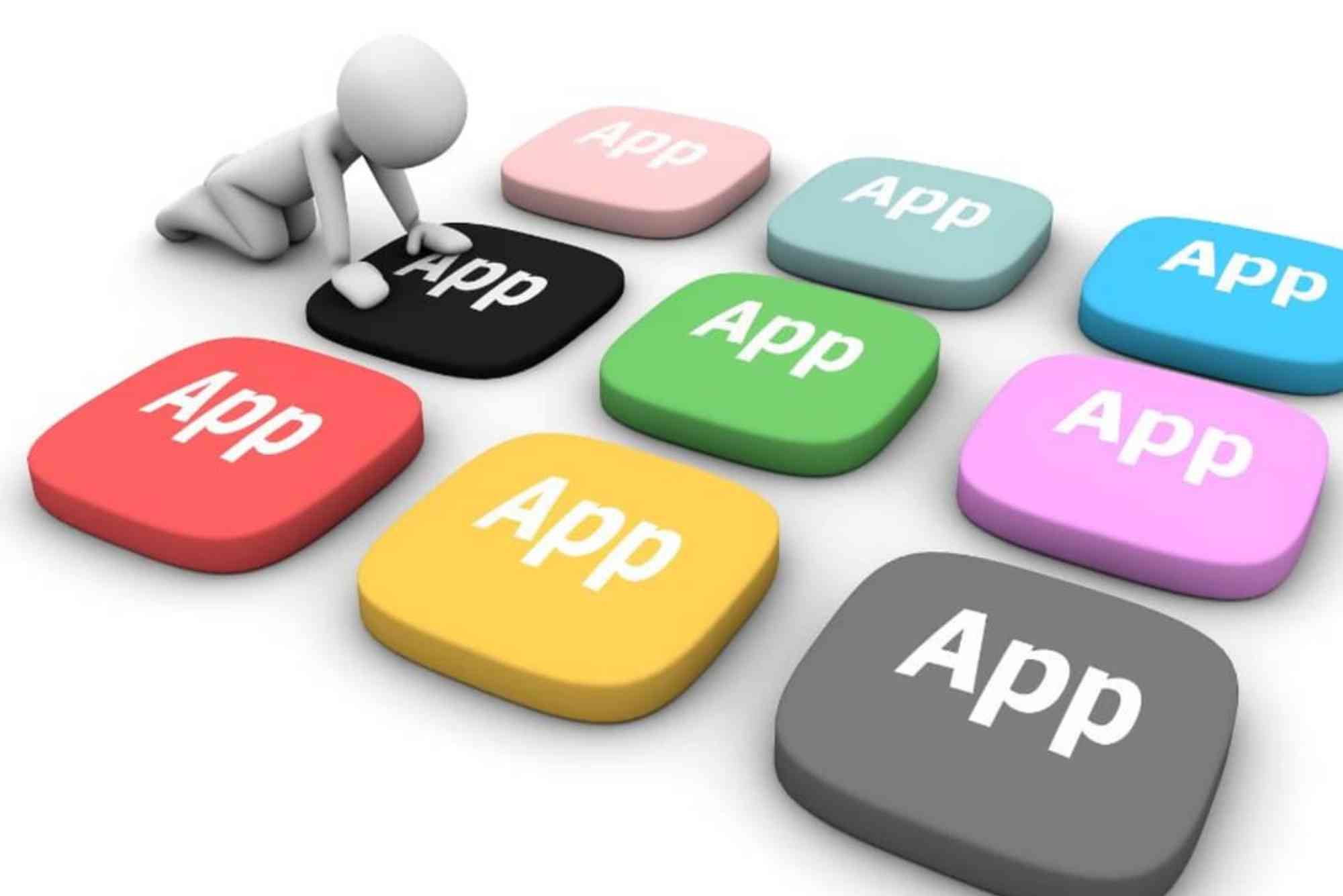
While system software manages the computer itself, application software allows users to perform specific tasks. These programs are what most people think of when discussing software.
Productivity Software
This category includes word processors, spreadsheets, presentation tools, and database management systems. Microsoft Office Suite and Google Workspace are well-known examples. These tools help users create documents, analyze data, and communicate ideas.
Multimedia Software
Software designed for creating, editing, and playing audio and video files falls under this category. Examples include Adobe Photoshop for image editing and VLC Media Player for video playback.
Web Browsers
Programs like Google Chrome, Mozilla Firefox, and Safari allow users to access the internet. They interpret web pages, manage downloads, and provide an interface for web-based applications.
Games and Entertainment Software
These are designed for leisure and include everything from simple mobile games to complex PC titles. They often require high-performance system software to run smoothly.
Specialized Software
This category includes software tailored for specific industries or functions, such as accounting software, CAD (computer-aided design) tools, or medical imaging software.
Other Notable Types of Computer Software
Beyond system and application software, other classifications exist, highlighting different aspects of software functionality.
Programming Software
Programming software provides tools that help developers write, test, and debug code. Examples include text editors like Visual Studio Code, compilers, and integrated development environments (IDEs). This type of software enables the creation of other software programs.
Middleware
Middleware acts as a bridge between different software applications or between software and hardware. It facilitates communication and data management in complex systems, often found in enterprise environments.
Open Source vs. Proprietary Software
Another way to categorize software is by its licensing model. Open source software’s source code is available for users to view and modify, fostering community collaboration. Proprietary software, on the other hand, is owned by companies that restrict access to its source code and control usage through licenses.
Why Understanding Types of Computer Software Matters
Knowing the different types of computer software can help users make informed decisions about what to install, how to troubleshoot problems, and understand software requirements. It also empowers users to communicate effectively with IT professionals and choose the right tools for their needs.
Whether you’re installing system updates or selecting productivity tools, recognizing software categories helps optimize your computer experience.
How Software Impacts Daily Life and Business
From smartphones to large business servers, software is everywhere. In daily life, software powers apps for communication, social media, navigation, and entertainment. In business, it manages inventory, finances, customer relations, and more.
Understanding software types can also be crucial for careers in IT, software development, or digital marketing, where specialized knowledge about software tools and platforms is necessary.
FAQs
Q: What are the main types of computer software?
A: The main types are system software (including operating systems and utilities) and application software (including productivity, multimedia, and specialized apps).
Q: What is the difference between system software and application software?
A: System software manages hardware and provides a platform for application software, which performs specific user tasks.
Q: Can software be both system and application software?
A: Generally, software fits into one category, but some complex programs might have components of both, such as antivirus software that runs system-level processes but also has an application interface.
Q: What is programming software used for?
A: Programming software helps developers write, test, and debug code, allowing the creation of new software applications.
Q: Is all software free to use?
A: No, software can be free, open source, or proprietary, with licensing models dictating terms of use, modification, and distribution.