Introduction
Stepping into foreign lands often means facing currency challenges. If you are planning travels where the saad exchange rate plays a role, understanding it becomes essential. Whether heading to Middle Eastern markets, Gulf states, or places where “saad” is local currency or slang, knowing its value means you avoid surprises. This guide offers clarity, trustworthy insight, and real-world tips so that the saad exchange rate works for you, not against you.
Understanding the Saad Exchange Rate
What Does “Saad” Mean in Currency Terms
“Saad” refers to a local or colloquial name tied to currency in certain regions. It may be official in some contexts or used among locals. For travelers, distinguishing between formal rates and informal or black market rates matters. The saad exchange rate reflects how much value you get when converting into or out of that currency.
Factors Influencing the Saad Exchange Rate
Several factors shape how much one unit of your home currency equals in saad. Political stability plays a strong part because uncertainty tends to devalue currency. Inflation rates shift perceptions of currency strength. Supply and demand on the currency market influence rates as well. Additionally, government policies—such as foreign reserve controls—can restrict access to saad, pushing up exchange premiums.
Practical Implications for Travelers
How to Estimate Costs Using Saad
When you know the saad exchange rate, you can better budget daily expenses. Suppose your budget covers lodging and meals; you divide projected costs by the rate to see how many units of saad you need. That helps avoid overpaying. For experiences such as shopping, tipping, or transit fares, having a mental rate lets you assess fairness.
Worst-Case & Best-Case Scenarios
Around airports or tourist spots, exchange rates often disadvantage travelers. Shops or service providers may quote inflated saad exchange values. Alternatively, local exchange booths or banks might offer better deals. In remote areas or informal markets, rates may vary dramatically. Knowing both extremes makes negotiation smoother.
Tools and Methods for Getting Best Rates
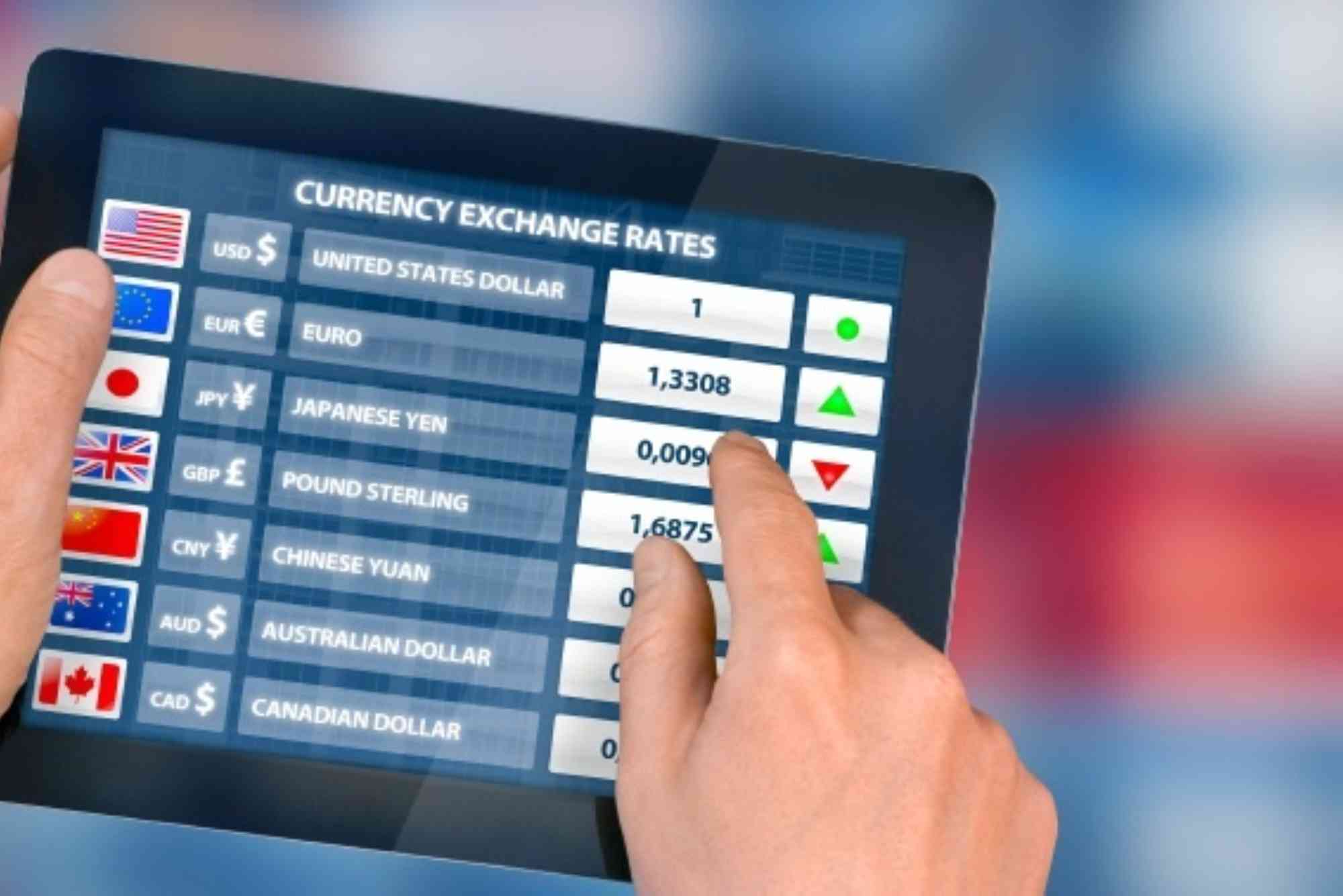
You can compare rates via local banks or financial exchanges. Observing posted rates and asking locals helps. Mobile apps often update exchange tables frequently; they may show when saad becomes strong or weak. Also, withdrawing saad from official ATMs versus currency exchange centers tends to yield better value, though fees matter.

Regional Variations in Saad Exchange
Differences Across Cities and Borders
Even within countries where saad is used, regional differences can appear. Border towns may have more favorable rates due to competition. In capital cities, standard rates may apply. Traveling through checkpoints or remote settlements may cost more to convert funds. Not recognizing these shifts results in paying extra.
Official vs. Unofficial Exchange Channels
Official sources include authorized banks, licensed exchange houses, or government offices. They publish rates publicly and follow regulations. Unofficial channels—street exchangers or informal agents—may offer rates that appear better but carry risk. Counterfeit currency, hidden fees, or unclear terms can sneak in there. Being cautious is wise.
Strategies to Manage Currency Risk
Monitoring Saad Exchange Trends Over Time
If your trip is several weeks away, watch how the saad rate evolves. Noting patterns such as seasonal demand, tourism surges, or political announcements helps. Tracking news in local media or financial bulletins gives early signals. That way, booking or converting when terms are most favorable becomes possible.
Budgeting with Buffer Margins
Weathering sudden rate shifts demands planning. Allocating extra funds above your estimate cushions against unfavorable changes. For example, setting aside ten percent more than expected on daily expenses prevents strain. Smart travelers always assume rates will move—and budget accordingly.
Advanced Advice for Smart Travelers
Negotiation and Local Cognition
When exchanging currency, expressing the amount in terms of saad and comparing rates between vendors can help. Locals may respect someone who knows the going rate. Also, learning simple phrases about exchange helps, especially if saud rate is commonly misquoted.
Payment Methods versus Carrying Cash
Using credit or debit cards with minimal foreign transaction fees sometimes avoids worst exchange margins. However, official cards may convert using their internal saad rate, which could include markup. Cash remains essential for small vendors or street markets. Balancing electronic payments and local cash mitigates risk.
Real-Life Scenarios
Imagine arriving at a border crossing just after sunset. The local booth claims the saad exchange rate is one of the worst you’ve seen. If you had tracked rates earlier, you might anticipate such hikes during off hours. Alternatively, in a large city, a boutique hotel may offer currency conversion. But their saad exchange rate might have fees built in or use an old rate. Having you done homework lets you push back or find alternatives.
Another scenario: trekking in rural areas where no bank exists. Vendors may accept only cash in saad. If your cash stash is limited and you didn’t plan buffer, you might face inflated rates or inability to negotiate. Being prepared avoids such catch-22s.
Traveling smart means more than packing right—it means converting wisely. By understanding the saad exchange rate, staying alert to fluctuations, and choosing trustworthy exchange methods, you protect your budget and gain more value. Embrace preparation, carry both cash and electronic tools, and always assume room for variation.
If you want current saad rate updates tailored to your destination, check with your bank or trusted exchange houses before departure. Begin your journey with clarity.
FAQ
What is the current saad exchange rate in major cities?
Rates vary daily. Local banks or exchange centers usually publish them. It helps to check reputable apps or official bank rate boards shortly before travel.
How much does it cost to exchange money into saad at airports?
Airport booths often charge higher fees. The saad exchange rate offered there tends to include commission and margin. Expect worse terms compared to city banks.
Is carrying cash safer than using cards when dealing with saad?
Cash gives flexibility, especially in markets accepting only local currency. Cards may offer better security but may convert at unfavorable saad exchange rates or with hidden fees.
Can I negotiate saad rates with vendors or exchangers?
Yes. Many travelers succeed when they show knowledge of the real rate. Polite questioning or showing multiple quotes often improves the saad rate offered.
How do I avoid counterfeit saad when exchanging?
Use official exchange centers or banks. Inspect currency carefully. If an exchange point seems shady or the rate seems too good, decline. Better safe than sorry.
Does saad exchange rate fluctuate a lot?
It can. Political developments, economic policies, inflation, and tourism affect demand. For smart travelers, monitoring trends reduces surprises.