Currency exchange plays a critical role for travelers, remitters, and businesses. One name that often comes up in the UAE and nearby regions is Al Rostamani International Exchange (ARIE). When people search “rostamani exchange rate,” they usually want up-to-date information, understand what drives changes, and know how to get the most favorable rate. In this article, I walk you through what shapes the Rostamani exchange rate, how it’s determined, how to track it, and smart ways to use that knowledge for your benefit.
What Is the Rostamani Exchange Rate?
When we say Rostamani exchange rate, we refer to the currency conversion rate offered by Al Rostamani International Exchange, the UAE-based foreign exchange and remittance service. It’s the rate at which ARIE buys or sells a foreign currency against the UAE Dirham (AED). Because ARIE is a licensed exchange house, its rates are “indicative” and can fluctuate based on market conditions.
That rate differs from interbank rates or rates published by central banks. ARIE’s rate includes its own costs, margins, sometimes service fees, and local supply & demand. So understanding when and why those variations happen helps you make smarter decisions.
What Factors Influence the Rostamani Exchange Rate?
There are several interconnected factors that determine how the ro stamani exchange rate moves. Knowing these helps you predict or interpret changes.
Economic Forces & Currency Markets
The health of currency markets—global demand and supply for currencies—directly affects ARIE’s rates. If, for example, there’s high demand for US dollars (USD) in UAE, or low supply, the cost to acquire USD goes up for ARIE, which means the customer gets a less favorable rate. Conversely, if supply is abundant or demand is low, ARIE can offer a better rate. These global forces include interest rates, inflation, geopolitical events, and central bank policies.
Local Demand, Supply & Competition
Within the UAE, the demand from travelers, expatriates, importers, or those sending money home influences how ARIE sets its rate. If many people are buying a particular currency (say, Pakistani Rupee, INR, or Indian Rupee), supply might be limited, pushing rates higher. Also, competition among exchange houses (and banks) forces Rostamani to keep its rates reasonably attractive. If its rate deviates too much, customers will go elsewhere.

Internal Costs and Margins
Rostamani, like any business, has operating costs—overheads, staff, branch locations, regulatory compliance, safety & security, risk of currency fluctuations. To remain profitable, they build in margins (a spread between buy/sell rates). Sometimes there are extra fees or commissions, or cost of obtaining foreign currency. These are part of what makes the Rostamani exchange rate slightly less favorable than pure interbank rates.
Regulatory Environment & Central Bank Policies
UAE’s central bank rules, foreign exchange regulations, import/export laws, and policies governing remittances or cross-border flows have an impact. If regulation tightens, costs or risks increase, and that can shift Rostamani’s rates. Also foreign currency reserve policies, or measures to control inflation, can cause currency strength/weakness, which in turn affects the exchange rate.
Time & Currency Volatility
Short-term events like political developments, market shocks, or sudden inflation data can cause volatility. When volatility is high, Rostamani may widen its margin or adjust rates more frequently to protect against risks. So timing matters: sometimes rates early in the day differ from later.
How to Check the Current Rostamani Exchange Rate
Knowing what influences the rate means little if you don’t know how to check it reliably. Here are the key ways:
Official ARIE Channels
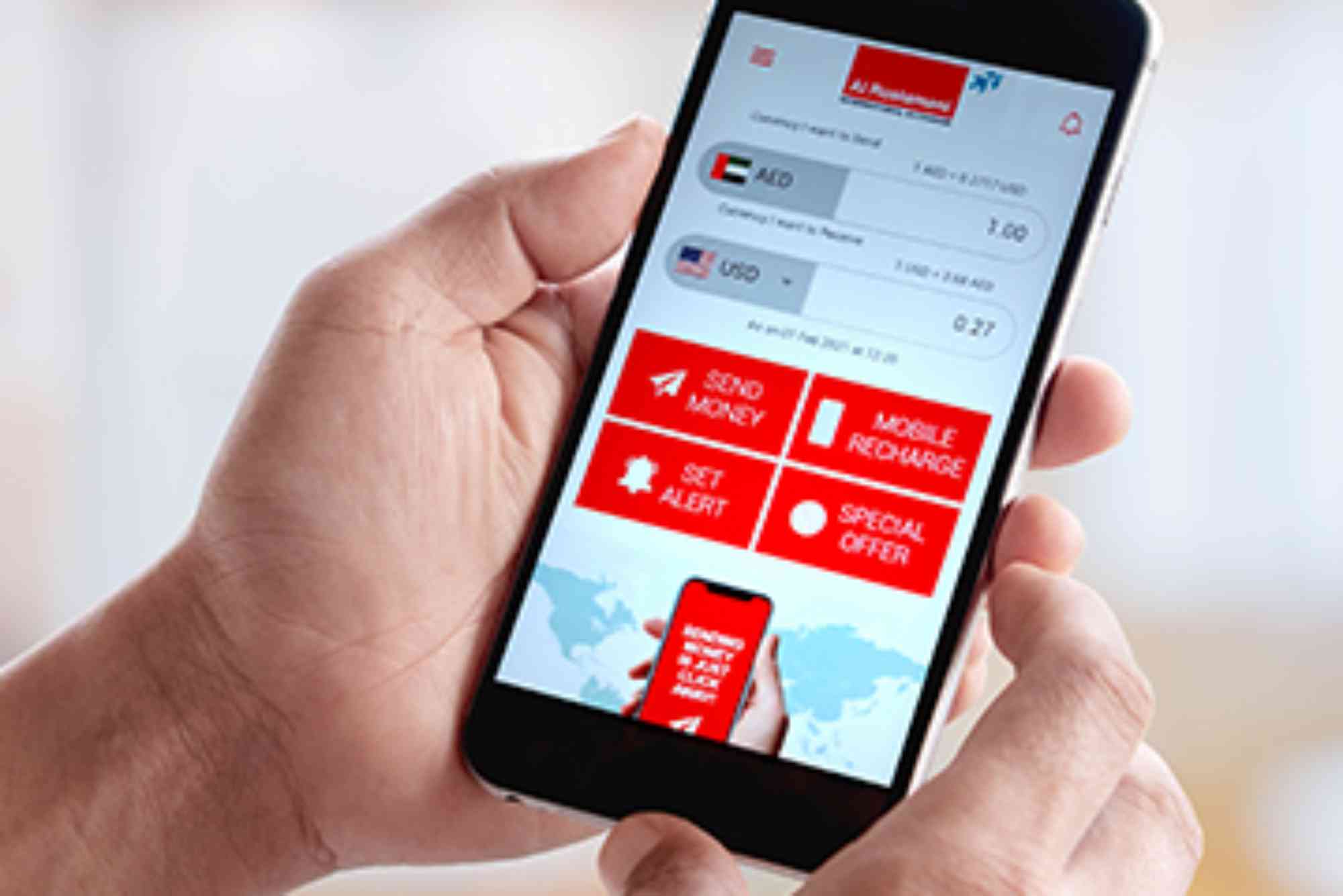
The most dependable source is the Rostamani / ARIE website under “Currency Rates.” It shows AED-to-other-currencies and other majors. Also their mobile app includes rate alerts, calculators, and recent historical data.
Branch Visits or Phone Calls
Because rates are “indicative” online, the actual rate you get may differ at a branch. Visiting a branch (or calling) gives you the exact rate applicable to your transaction. Especially true for large amounts, or non-major currencies where liquidity is lower.
Tracking Trend History
Watching past rates helps you understand whether the rate is trending favorable or not. ARIE provides historical data for some currencies. If you see a currency weakening consistently, waiting (if possible) might get you a better rate.
How Often Does the Rostamani Exchange Rate Change?
The frequency of rate changes depends on several elements:
- Major currency pairs (e.g. AED ↔ USD, AED ↔ EUR): these tend to fluctuate more often during the day, sometimes hourly.
- Less-liquid currencies: adjust less frequently.
- External events (e.g. central bank announcements, geopolitical unrest): spur sudden changes.
- Business hours & market trends: during Asian, European, or US market hours, movement can be more pronounced.
Tips for Getting the Best Rostamani Exchange Rate
With understanding comes strategy. Here are some well-tested ways to maximise value when exchanging money with Rostamani.
- Use times when markets are calm. Avoid doing major exchanges right after major announcements (e.g. central bank hikes, inflation data).
- Compare rates across branches. Sometimes smaller or less busy branches give slightly better deals if competition is high.
- Negotiate for large amounts. If you’re exchanging a substantial sum, Rostamani may offer you a better rate or smaller spread.
- Monitor trends. If you see a currency weakening over several days, you might wait (if your timing allows) for a more favorable rate.
- Use ARIE’s app or tools with rate alerts, so you get notified when the rate hits a target.
Common Misunderstandings about Rostamani Exchange Rates
Sometimes people misinterpret what they see, leading to unexpected costs or disappointment. Let’s clarify a few.
“Indicative Rate” vs Final Rate
ARIE often publishes rates as “indicative” online. That means they’re estimates. The actual rate you get may differ due to fees, branch location, currency supply, amount, and timing.
Hidden Fees & Spreads
Exchange houses make money from spreads (difference between buy/sell rate) and sometimes commissions. What you see may not include service charges or delivery/pickup fees if applicable. Always ask what the all-in cost is.
Currency Pair Differences
Some currency pairs are more volatile or less liquid. AED to USD is well-served, but AED to some smaller or more exotic currencies might carry wider spreads. Be aware that less common currencies tend to cost more.
What’s the Current Rostamani Exchange Rate (As of Today)
While published rates are indicative and change frequently, ARIE’s currency rates section shows conversion rates between AED and many major currencies like USD, EUR, PKR, INR, GBP, etc.
For example, the AED to PKR (Pakistan Rupee) rate is listed among current rates. However, due to supply & demand, branch, amount, and transaction type, your actual rate may differ a little. The key is to use these published rates as a benchmark—not the final word.
Why the Rostamani Exchange Rate Matters
Understanding this rate is more than just curiosity. It has real use.
- If you send money home, even small differences in rate can cost or save significant amounts.
- Businesses importing goods or paying overseas invoices will see impact on profit if currency changes unexpectedly.
- Travelers exchanging money for trips: knowing when to change can reduce cost.
- For those investing, arbitraging services, or remittance planning, exchange rate insight helps with timing and cost forecasting.
If you want to make the most out of the rostamani exchange rate, it’s essential to understand what drives it, how to check it properly, and how to act on that information. While Rostamani offers transparency with published rates and services like mobile app rate alerts, your final rate depends on timing, amount, branch, and currency.
Call to Action: Monitor ARIE’s published rates, set up alerts via their app, and compare branch offers when you plan to exchange. Try to time your transaction when market conditions are favorable. If you’d like help tracking specific currency pairs (for example AED ↔ PKR, AED ↔ USD), let me know—I can help you set up trend forecasts or alerts tailored to your needs.
FAQ
What is Rostamani’s AED to USD exchange rate today?
The published rate on ARIE’s website gives you a current AED to USD figure. Because rates are indicative, check a branch or use their app to get the final applicable rate.
Are there fees when using Rostamani to exchange currency?
Yes. While the rate includes a spread, there may also be service fees, commissions, or charges based on location or amount. Always ask for the full cost before proceeding.
How often does the Rostamani exchange rate update?
For major currency pairs, updates can happen multiple times per day, especially during active market hours. For smaller currencies, updates are less frequent.
Can I get a better rate if I exchange a large amount?
Often yes. Larger transactions may allow you to negotiate a tighter spread or better deal with Rostamani, particularly if there is sufficient volume and you deal directly with a branch.
Is the rate online the same as in branch or for cash transactions?
Not always. The online (indicative) rate is a guide. Branch or cash rates can differ because of operational costs, availability of cash, and currency supply. Always confirm in person or via phone.