
Introduction
The world of food is changing faster than ever. From how meals are grown to how they are served, every stage of the food journey is being reshaped by innovation. Consumers today want food that is healthier, more sustainable, and more convenient, while businesses seek efficiency and reduced waste. Meeting these expectations has led to incredible breakthroughs, and each new invention in food technology brings us closer to a smarter, greener, and more nourishing future.
This transformation is not only about flashy gadgets or futuristic labs. It is also about practical solutions that directly impact health, safety, and sustainability. In this article, we will explore the most revolutionary inventions in food technology that are defining the future of what we eat.
Smart Farming: The Root of Modern Food Innovation
Agriculture has always been the backbone of human survival. Yet, traditional farming faces challenges such as climate change, water shortages, and limited arable land. New inventions in food technology are addressing these problems through smart farming techniques.
One of the most exciting innovations is precision agriculture, where data from sensors, drones, and satellites helps farmers make better decisions. These tools monitor soil health, crop growth, and water use, ensuring that resources are used efficiently. The result is higher yields with fewer inputs, which means both economic and environmental gains.
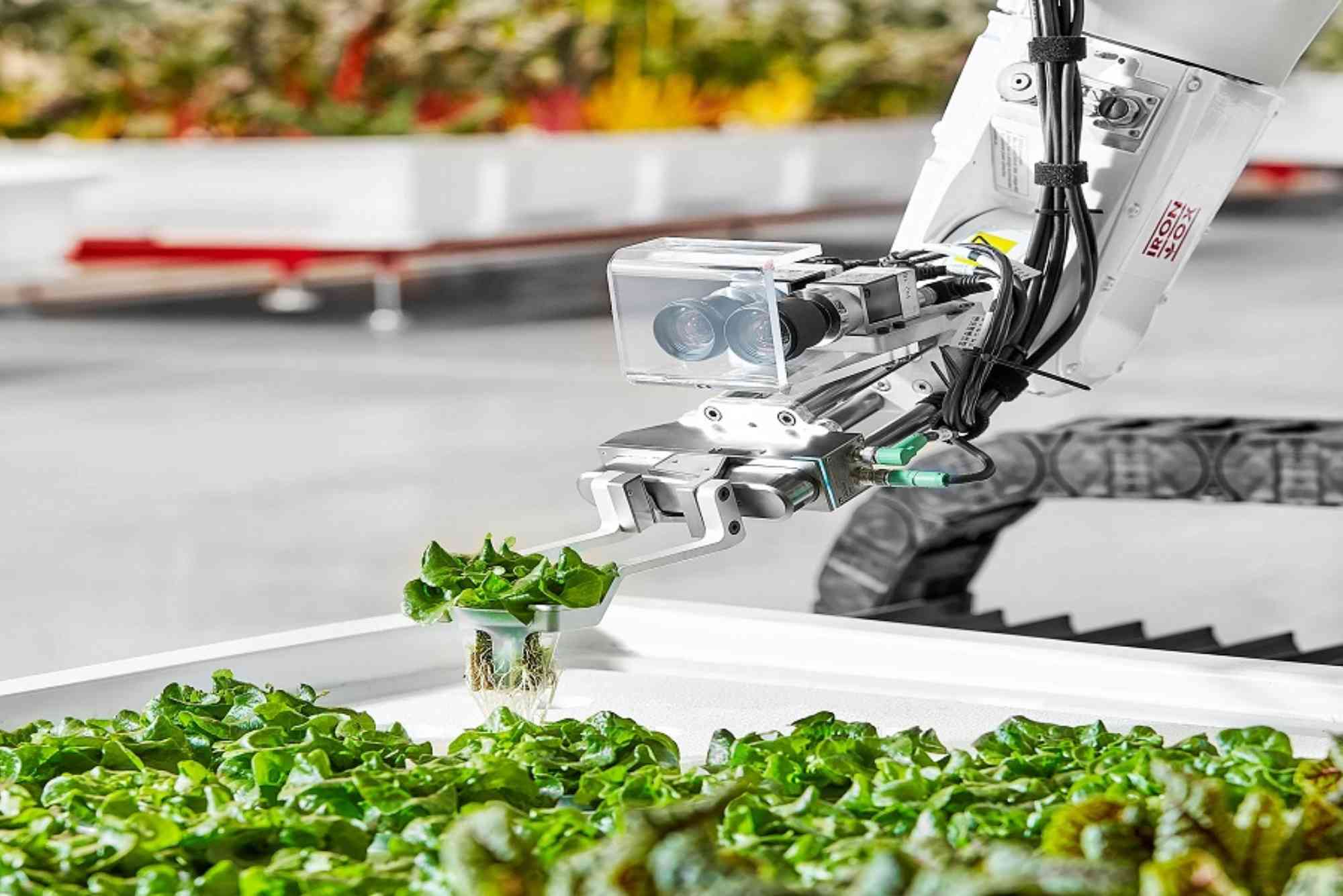
Vertical farming also stands out as a breakthrough. By stacking crops in controlled indoor environments, farmers can grow food year-round, regardless of climate. LED lighting and hydroponic systems allow plants to thrive without soil, reducing the need for pesticides and drastically cutting transportation emissions when farms are placed near cities.
Alternative Proteins: Redefining What We Eat
Protein has always been central to human diets, but traditional livestock farming is resource-intensive and environmentally taxing. This is where a new invention in food technology comes in—the creation of alternative proteins.
Plant-based proteins have already made headlines, with companies creating burgers, nuggets, and dairy alternatives that taste remarkably similar to their animal-based counterparts. These products rely on advances in flavor chemistry and texture engineering, allowing them to mimic the sensory experience of meat.
But the most groundbreaking progress lies in lab-grown or cultured meat. Scientists cultivate animal cells in controlled environments, producing real meat without raising or slaughtering animals. This innovation holds the potential to reduce greenhouse gas emissions, cut down on land use, and improve animal welfare. While still in early stages of commercialization, cultured meat could become a staple in the next decade.
Food Safety and Transparency Through Technology
Consumers today want to know exactly what they are eating and where it comes from. A new invention in food technology that is gaining traction is blockchain for supply chain transparency. This digital ledger system allows every step of a product’s journey—from farm to shelf—to be recorded and verified. By scanning a QR code, shoppers can learn about a product’s origin, its certifications, and even sustainability practices.
In addition to traceability, food safety is being strengthened through real-time monitoring. Smart packaging with embedded sensors can now detect spoilage or harmful bacteria. This helps reduce foodborne illnesses and cuts down on unnecessary waste by providing more accurate freshness indicators than traditional expiration dates.
Personalized Nutrition: Tailoring Diets to Individuals
Everyone’s body is different, and one-size-fits-all diets rarely achieve optimal results. The rise of personalized nutrition marks another powerful new invention in food technology. Using genetic testing, microbiome analysis, and artificial intelligence, companies are able to design meal plans that cater specifically to an individual’s health profile.
For example, apps can now track biometric data such as blood sugar levels and recommend foods that maintain balance. Personalized supplement packs are created based on deficiencies and lifestyle, while meal services provide recipes aligned with a person’s unique metabolism. This approach not only improves overall health but also reduces the trial-and-error often associated with dieting.
Robotics and Automation in Food Production
Efficiency is a driving force in modern food systems, and robotics is becoming a game-changer. From robotic arms in factories to AI-driven kitchen assistants, automation is reshaping how food is prepared and delivered.
In manufacturing plants, robots can package, label, and sort products faster and more accurately than human workers. This not only lowers costs but also reduces contamination risks. Meanwhile, in restaurants and home kitchens, smart cooking appliances are taking automation to a whole new level. Imagine a device that scans your fridge, suggests recipes, and cooks the meal with minimal human effort. These inventions are moving from science fiction to everyday reality.
Sustainability as a Central Force
Every new invention in food technology now carries the responsibility of sustainability. Innovations are being designed not just for convenience but to actively reduce the industry’s environmental footprint.
Biodegradable packaging, made from materials like seaweed and cornstarch, is replacing single-use plastics. Advances in food preservation are extending shelf life without artificial chemicals, reducing the billions of tons of food wasted annually. Even energy use in production is being optimized with renewable power integration.
The focus is no longer on producing more food at any cost, but on producing smarter, healthier, and more sustainable options that can support future generations.
The Role of Artificial Intelligence
Artificial intelligence is quietly powering many of the advancements in food technology. AI analyzes vast amounts of data to optimize recipes, predict consumer trends, and improve supply chain logistics.
In research labs, AI accelerates the discovery of new food formulations by simulating flavor interactions or nutritional profiles before physical testing. In retail, smart algorithms predict demand and help reduce stock shortages. And in agriculture, AI-driven drones map fields, identify pests, and recommend targeted interventions.
By combining AI with other technologies, such as robotics and biotechnology, the food industry is creating solutions that were unthinkable just a decade ago.
The Consumer’s Role in Shaping Food Innovation
Every new invention in food technology ultimately depends on consumer acceptance. While scientists can develop incredible solutions, their success hinges on whether people are willing to embrace them. Plant-based meat alternatives gained traction only when they managed to taste and cook like real meat. Similarly, lab-grown meat will need both affordability and cultural acceptance before it becomes mainstream.
Education is a key part of this process. Transparent communication about how food is made, what benefits it brings, and how it aligns with sustainability goals helps bridge the gap between science and everyday meals.
FAQs
What is the newest invention in food technology?
The latest innovations include lab-grown meat, smart packaging, and AI-driven personalized nutrition platforms.
How is food technology changing the way we eat?
Food technology is making meals healthier, more sustainable, and more convenient by introducing new proteins, safer packaging, and automated cooking.
Are lab-grown meats safe to eat?
Yes, lab-grown meats are produced under strict safety controls and contain the same nutrients as conventional meat.
What role does AI play in food technology?
AI helps optimize farming, predict consumer preferences, improve food safety, and even develop new recipes more efficiently.
Will these inventions make food more expensive?
Initially, many of these technologies come with higher costs. However, as they scale, prices are expected to drop, making them accessible to more consumers.
The future of food is not just about feeding more people—it is about feeding them better. Each new invention in food technology is a step toward healthier diets, safer supply chains, and a more sustainable planet. From smart farms and lab-grown meat to AI-powered personalization and biodegradable packaging, the possibilities are as exciting as they are necessary.