Introduction
The field of dentistry is advancing faster than ever before, and 2019 marked a turning point for innovations that reshaped both treatment and patient care. With the introduction of new dental technology in 2019, dentists were able to provide more accurate diagnoses, less invasive procedures, and better outcomes. Patients began to notice not only improved results but also enhanced comfort in the chair. As technology continued to blend with medical science, the traditional dental experience was transformed into something more precise, predictable, and patient-friendly.
Understanding the breakthroughs in dental technology from 2019 is essential for patients who want to make informed decisions and for practitioners who strive to offer the best. From digital dentistry to 3D imaging and regenerative solutions, these advancements laid the foundation for the future of oral health care.
Digital Dentistry Takes Center Stage
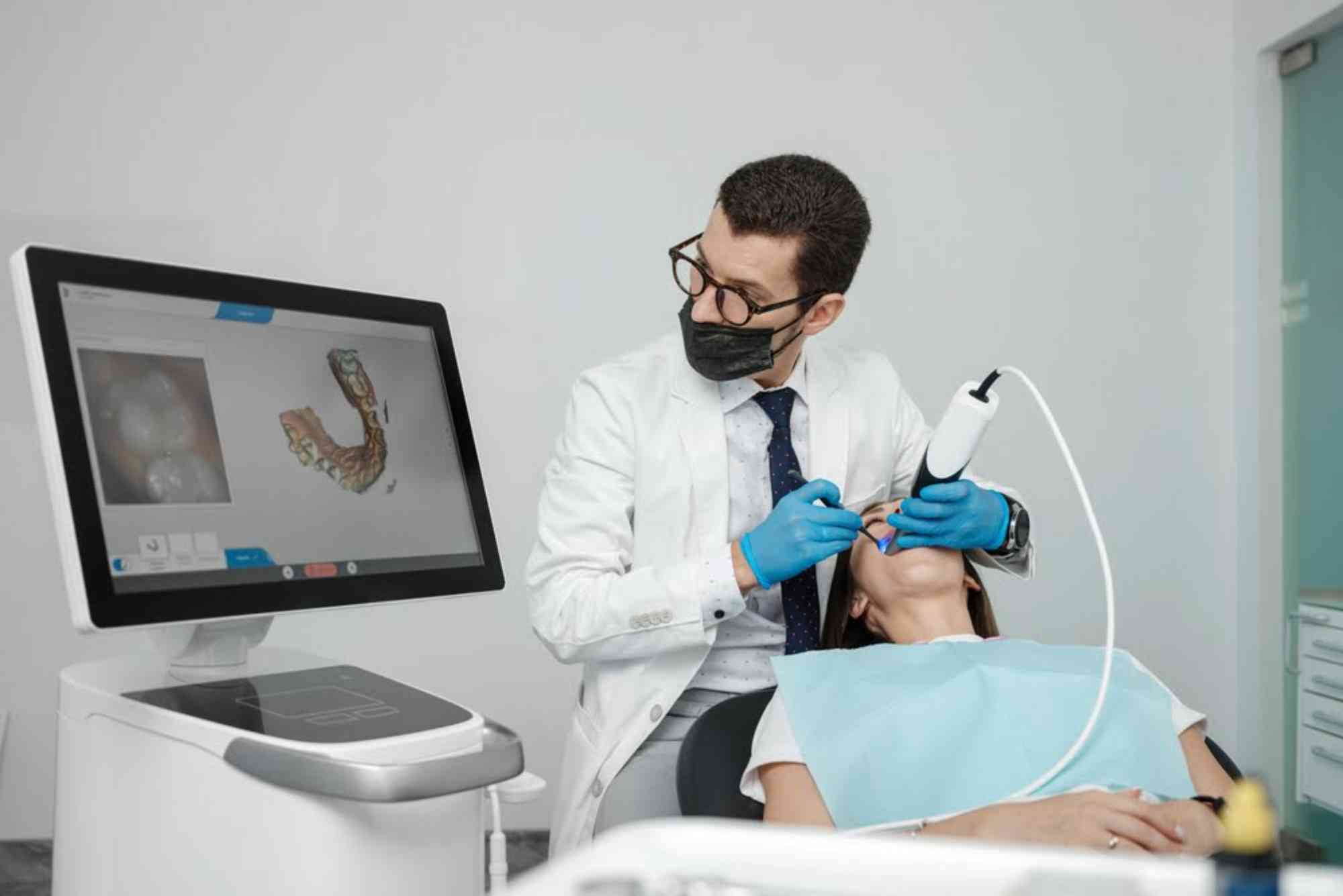
One of the most significant developments in new dental technology in 2019 was the rapid adoption of digital tools. Traditional impressions and analog processes gave way to faster, more precise methods that enhanced efficiency in the clinic. Digital scanners, computer-aided design, and computer-aided manufacturing changed the way restorations were made.
Dentists could create crowns, bridges, and veneers with incredible accuracy in less time. Patients no longer needed to wait weeks for lab work, and many procedures were completed in a single visit. This level of convenience, combined with unmatched precision, highlighted why digital dentistry became one of the defining features of modern practice in 2019.
The Rise of Intraoral Scanners
Among the most impactful innovations were intraoral scanners. Instead of uncomfortable impression materials, dentists used handheld devices that captured detailed images of teeth and gums. These scanners provided immediate results, reducing chair time and improving communication between dentist and patient. With this breakthrough, patients could see a digital representation of their treatment before it even began, creating greater trust and understanding.
3D Printing and Its Expanding Role
Another remarkable stride in new dental technology in 2019 was the integration of 3D printing. The technology, once associated mainly with engineering and design, began to play a crucial role in restorative and orthodontic dentistry. Dentists could now produce customized dental appliances, such as aligners, models, and even surgical guides, directly in their offices.

This not only saved time but also improved accuracy. For orthodontics, clear aligner therapy benefited tremendously from 3D printing, allowing more patients to access discreet and efficient treatment. Surgical planning became safer with printed guides that minimized risks and ensured precise implant placement. By 2019, it was evident that 3D printing would continue to expand and influence dentistry for years to come.
Laser Dentistry for Comfort and Precision
Lasers had been present in dentistry for several years, but 2019 marked a turning point when their use became more mainstream. Laser dentistry offered patients less invasive treatments, reduced discomfort, and faster healing times. Procedures that once required anesthesia and lengthy recovery could now be completed with minimal pain and downtime.
Dentists used lasers for gum contouring, cavity removal, and even teeth whitening. The ability to target tissues with precision meant healthier results and less trauma for surrounding structures. Patients appreciated the reduced need for drilling and the overall gentler approach, which made dental visits less intimidating.
Advancements in Dental Imaging
Clear and accurate imaging is fundamental in dentistry, and 2019 introduced significant breakthroughs that improved both diagnostics and treatment planning. Cone-beam computed tomography (CBCT) became increasingly common, offering three-dimensional views of oral structures that surpassed traditional X-rays.
With CBCT, dentists could identify problems invisible to conventional imaging. Implant placement, root canal treatment, and orthodontic planning became far more reliable thanks to this level of detail. The ability to visualize bone structure, nerves, and soft tissues in a single scan transformed the accuracy of dental care.
AI-Powered Imaging
Artificial intelligence also began to enter the world of dental imaging in 2019. By analyzing patterns in radiographs, AI programs assisted dentists in detecting early signs of decay, bone loss, and other conditions. These tools did not replace clinical expertise but instead enhanced diagnostic capabilities, reducing human error and improving outcomes.
Teledentistry Gains Momentum
Accessibility remained a challenge for many patients, and 2019 saw teledentistry emerging as a practical solution. Through secure platforms, patients could consult with dentists remotely, discuss symptoms, and receive professional advice without traveling to a clinic.
For rural communities or individuals with mobility issues, this innovation was life-changing. It reduced barriers to care and encouraged more patients to seek help earlier. While not a replacement for in-person treatment, teledentistry served as an important bridge in preventive care and follow-ups.
Biocompatible Materials and Regenerative Dentistry
New dental technology in 2019 was not only about machines and software but also about materials. The industry saw an increase in biocompatible options that improved safety and aesthetics. Zirconia, for instance, became more widely used as a metal-free alternative for crowns and bridges, offering both strength and natural appearance.
Regenerative approaches also gained momentum. Researchers explored stem-cell-based therapies and bioactive materials that encouraged natural healing. While some of these treatments were still in early stages, they reflected a shift toward dentistry that worked with the body’s own capacity to repair and regenerate.
Patient-Centered Care Through Technology
The common thread in all these breakthroughs was the focus on patient experience. New dental technology in 2019 was designed not only to improve results but also to make treatment more comfortable and accessible. Digital communication tools helped patients better understand their options. Lasers and minimally invasive methods reduced fear. Remote care expanded accessibility, and faster turnaround times gave patients confidence in modern dentistry.
This patient-centered approach became a defining feature of dental progress. Technology was no longer just about the dentist’s efficiency; it was about creating a better journey for patients from start to finish.
FAQs on New Dental Technology 2019
What is the latest technology in dentistry in 2019?
The most notable advancements included digital scanners, 3D printing, laser dentistry, and CBCT imaging, all improving precision and comfort.
Is 3D printing really used in dentistry?
Yes, by 2019 it was widely used for making aligners, models, crowns, and surgical guides directly in dental practices.
How does laser dentistry help patients?
Laser dentistry reduces discomfort, minimizes bleeding, speeds healing, and often eliminates the need for anesthesia.
What is teledentistry, and why did it grow in 2019?
Teledentistry is the use of online platforms for remote consultations. It grew in 2019 to improve access for patients in underserved areas.
Are new dental materials safer than traditional ones?
Yes, many new materials, like zirconia and bioactive compounds, offer better biocompatibility and aesthetics than older metal-based restorations.
The new dental technology of 2019 represented more than innovation—it marked a redefinition of how dentistry was practiced and experienced. From digital workflows to patient-friendly lasers, from powerful imaging to regenerative possibilities, these breakthroughs shaped a new era of oral healthcare. Patients benefited from shorter appointments, less discomfort, and more reliable outcomes, while dentists gained tools that made their work more precise and efficient.
If you are considering dental treatment, understanding these advancements can help you make the best choices for your care. The future of dentistry is already here, and the innovations from New Dental Technology 2019 continue to influence the way we protect and restore our smiles today.