
Japanese Home Cooking: Simple Meals with Authentic Flavors
Japanese cuisine is celebrated worldwide for its balance, freshness, and elegance. Yet, home cooking in Japan is not just about sushi or ramen—it’s about creating simple meals that capture authentic flavors. Whether you’re a beginner or an experienced cook, Japanese home cooking offers practical, healthy, and delicious ways to enjoy everyday meals. In this guide, we’ll explore the art of Japanese home cooking: simple meals with authentic flavors, including recipes, tips, and techniques you can try at home.
The Essence of Japanese Home Cooking
Japanese home cooking focuses on balance, seasonality, and natural flavors. Unlike restaurant dishes, home meals are simpler, nutritious, and emphasize comfort.
Key Principles
- Seasonal Ingredients – Fresh, seasonal produce ensures the best flavor and nutrition.
- Umami-Rich Dishes – Soy sauce, miso, and dashi stock create depth and savoriness.
- Visual Simplicity – Presentation is important, but home dishes remain practical and easy.
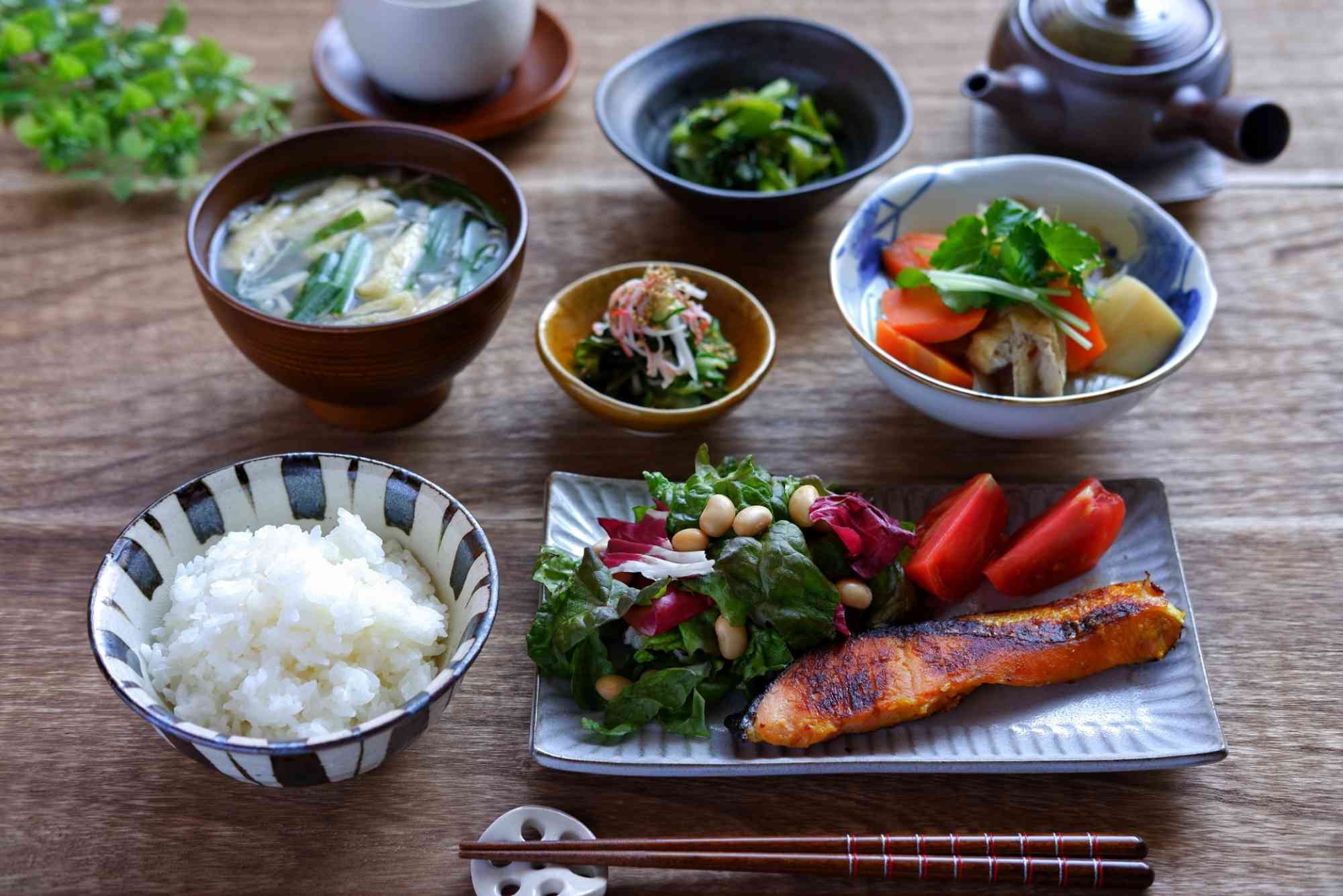
Typical Components of a Meal
- Staple: Rice is the foundation of most meals.
- Main Protein: Fish, chicken, tofu, or eggs.
- Side Dishes: Pickles, vegetables, and salads.
- Soup: Usually miso soup or a light broth.
These elements combine to make meals satisfying yet uncomplicated.
Simple Japanese Breakfasts at Home
Japanese breakfasts are quick, nourishing, and flavorful. Here are some authentic options:
Tamago Kake Gohan (Egg on Rice)
A classic comfort breakfast: raw egg mixed with hot steamed rice and soy sauce. Add green onions or nori for extra flavor.
Miso Soup with Tofu and Seaweed
Miso soup is a staple. Use dashi stock, miso paste, tofu, and wakame. It’s light yet packed with umami.

Grilled Fish and Rice
Grilled salmon or mackerel served with rice and pickled vegetables offers a protein-rich and satisfying start to the day.
These simple meals reflect Japanese home cooking simple meals authentic flavors perfectly.
Easy Lunches with Authentic Flavors
Lunch in Japanese homes is often light, quick, and balanced.
Onigiri (Rice Balls)
Rice balls are easy to make and store. Fill with salmon, umeboshi (pickled plum), or tuna with mayo. Wrap in nori for flavor and convenience.
Soba or Udon Noodles
Cold or hot noodles with a simple dipping sauce or broth make a satisfying lunch. Add vegetables or protein like chicken or tofu for a complete meal.
Bento Boxes
A bento combines rice, protein, and vegetables in a single container. It’s practical for home or work, showcasing authentic Japanese flavors in a balanced format.
Dinner Ideas for Authentic Japanese Home Cooking
Dinner is often the largest meal, focusing on variety and harmony.
Teriyaki Chicken
Marinate chicken in soy sauce, mirin, sake, and sugar. Pan-fry or grill for a sweet-savory main dish served with steamed rice.
Nikujaga (Meat and Potato Stew)
A comfort dish of simmered beef, potatoes, onions, and carrots in soy sauce and sugar. Nikujaga is a true example of homestyle Japanese flavors.
Aemono (Dressed Vegetable Dishes)
Blanch vegetables like spinach or green beans and toss in sesame or miso dressing. These sides are nutritious and bring authentic taste to the meal.
Simple Sushi Rolls at Home
You don’t need to be a chef to make sushi. Roll cucumber, avocado, or cooked seafood in sushi rice and nori for easy homemade sushi.
Essential Japanese Ingredients for Home Cooking
Stocking your kitchen with a few staple ingredients can make Japanese home cooking simple meals authentic flavors achievable.
- Soy Sauce: Essential for seasoning and sauces.
- Miso Paste: For soups, marinades, and dressings.
- Dashi Stock: Base for soups, stews, and simmered dishes.
- Mirin and Sake: Sweet rice wine for flavoring.
- Rice Vinegar: For sushi rice and pickles.
- Nori and Sesame Seeds: For garnish and flavor.
Using these staples, you can recreate many authentic Japanese dishes at home with minimal effort.
Tips for Authentic Japanese Cooking at Home
- Cook Rice Properly – Invest in a rice cooker or learn perfect stovetop techniques.
- Balance Flavors – Japanese cuisine emphasizes sweet, salty, sour, and umami harmony.
- Use Seasonal Vegetables – Fresh produce elevates every dish.
- Prep Ingredients in Advance – Chopping vegetables and pre-cooking proteins makes weekday meals effortless.
- Keep It Simple – Focus on flavor, not complexity.
Benefits of Japanese Home Cooking
- Healthy and Balanced: Fresh ingredients, minimal oil, and nutrient-rich foods.
- Quick and Easy: Most dishes require under 30 minutes to prepare.
- Cultural Experience: Learn the traditions and philosophy behind Japanese meals.
- Family-Friendly: Meals cater to children and adults alike.
FAQs
What are easy Japanese meals for beginners?
Start with miso soup, tamagoyaki (rolled omelet), onigiri, and teriyaki chicken. These require few ingredients and simple techniques.
How can I make Japanese food taste authentic at home?
Use staple ingredients like soy sauce, miso, dashi, and mirin. Focus on fresh, seasonal vegetables and proper rice preparation.
Can Japanese meals be healthy and simple?
Yes. Home meals are naturally balanced with rice, vegetables, and protein, emphasizing low-fat and high-nutrient ingredients.
What is a typical Japanese home-cooked dinner?
A common dinner includes rice, a protein (fish or chicken), miso soup, and two vegetable side dishes.
Mastering Japanese home cooking: simple meals with authentic flavors is easier than it seems. With the right ingredients, simple techniques, and attention to seasonality, you can bring the essence of Japan into your kitchen. Start with small, approachable recipes and gradually explore more complex dishes.