
Introduction
The combination of fig soaked in olive oil is gaining attention as a powerful natural remedy. Rich in antioxidants, fiber, and healthy fats, this blend is more than a traditional remedy—it’s a scientifically backed health booster. Whether taken in the morning on an empty stomach or before bed, this mix can help improve your digestion, support your immune system, balance hormones, and much more. In this article, we’ll dive deep into the health benefits of fig soaked in olive oil, demystify some myths, and show how you can incorporate this nutrient-rich blend into your daily routine.
What Makes Fig and Olive Oil So Effective Together?
Figs are naturally sweet, high in dietary fiber, and packed with vitamins like A, B1, B2, and K. They also contain important minerals such as calcium, iron, magnesium, potassium, and zinc. Olive oil, particularly extra virgin olive oil, is known for its monounsaturated fats and antioxidants such as oleocanthal and vitamin E. When figs are soaked in olive oil, the nutrients in both are preserved and enhanced. The fiber from the figs and the fats from the oil work together to support digestion, regulate cholesterol, and reduce inflammation in the body.
The Role of Antioxidants and Fiber
Both figs and olive oil are rich in antioxidants. These compounds help protect cells from oxidative stress and reduce the risk of chronic diseases. The fiber in figs helps sweep waste through your digestive system, while olive oil supports nutrient absorption and reduces gut inflammation. Combined, they form a potent tool against bloating, constipation, and digestive issues.
Natural Source of Essential Nutrients
Figs deliver bone-building calcium and magnesium, while olive oil provides healthy fats essential for hormone production and brain function. The soaking process allows the nutrients to become more bioavailable, meaning your body can absorb and use them more efficiently. This makes the health benefits of fig soaked in olive oil superior to consuming them separately.
Digestive Health and Constipation Relief
One of the most praised benefits of this remedy is improved digestion. Figs are a natural laxative due to their high fiber content. When soaked in olive oil, they become even more effective in relieving constipation gently without irritating the gut. This remedy helps promote regular bowel movements and prevents gas and bloating, which are common problems in modern diets lacking fiber.
Gut Inflammation and Microbiome Support
Olive oil’s anti-inflammatory compounds help soothe the digestive tract. Chronic gut inflammation can lead to IBS and other long-term issues. Regular consumption of this fig-and-oil blend supports a healthier gut lining and encourages the growth of beneficial gut bacteria. This balance is crucial for immunity, nutrient absorption, and even mood regulation.

Hormonal Balance and Fertility Support
Another remarkable advantage of figs soaked in olive oil is their impact on hormones, especially for women. Figs contain plant-based phytoestrogens that mimic estrogen in the body. This can help regulate menstrual cycles, ease PMS symptoms, and support fertility. Olive oil, on the other hand, helps in the production of steroid hormones and reduces inflammation that can affect reproductive health.
Energy Boost and Mood Regulation
Thanks to the natural sugars in figs and the fats in olive oil, this remedy also serves as a steady source of energy. It doesn’t spike blood sugar levels but offers sustained energy throughout the day. Furthermore, both ingredients help regulate neurotransmitters that affect mood, such as serotonin and dopamine, reducing the risk of anxiety and depression.
Bone and Joint Health
Calcium, magnesium, and phosphorus found in figs are essential for bone strength. When combined with olive oil’s anti-inflammatory properties, this mixture helps prevent bone density loss, especially in aging individuals or postmenopausal women. Those suffering from arthritis or joint stiffness have also reported relief after making this part of their daily diet.
Heart Health and Cholesterol Management
Olive oil has long been linked to reduced LDL (bad cholesterol) and increased HDL (good cholesterol). The fiber and potassium in figs help regulate blood pressure and reduce triglycerides. The synergy between these two foods enhances cardiovascular function, reduces the risk of stroke, and supports healthy circulation.
Immune System Boost
Figs contain vitamins C and A—both crucial for immune function. Olive oil, rich in monounsaturated fats and vitamin E, helps the body absorb fat-soluble vitamins more efficiently. When consumed regularly, this combination strengthens the immune response, helps fight infections, and supports wound healing.
Skin and Hair Benefits
The benefits of fig soaked in olive oil go beyond internal health. Thanks to its rich blend of vitamins and antioxidants, this mix can enhance skin glow, reduce signs of aging, and promote scalp health. Figs support collagen production, while olive oil provides hydration and nourishment. Together, they combat dryness, acne, and hair thinning.
How to Prepare and Use Fig Soaked in Olive Oil
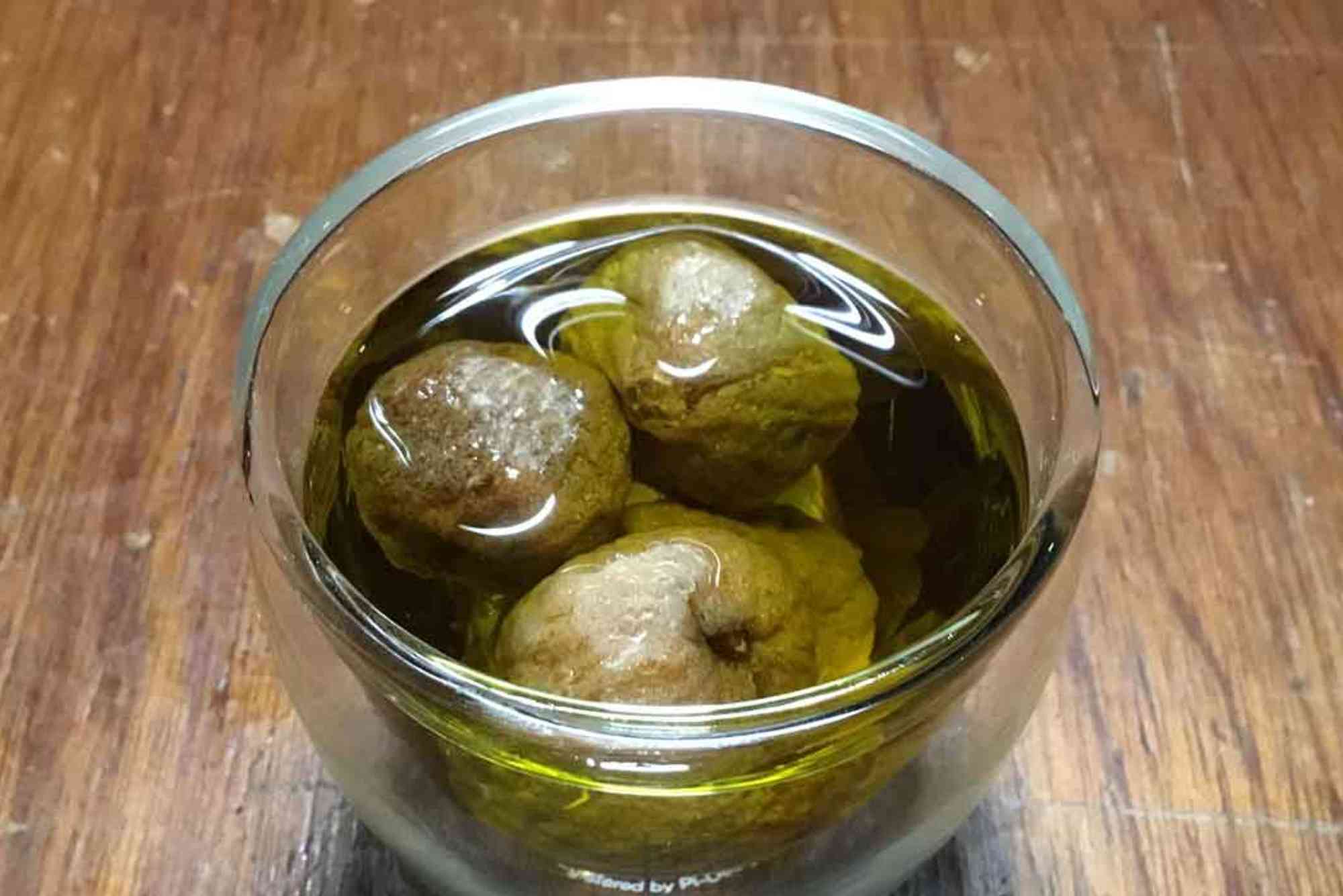
Making this remedy is simple. Take 5–7 dried figs and soak them in a jar of extra virgin olive oil. Let them soak for at least 24 to 48 hours—some prefer up to 3 days. Store the jar in a cool, dark place. Eat 1–2 figs on an empty stomach every morning and optionally take a teaspoon of the oil as well.
Some prefer eating this before bed instead to improve overnight digestion and promote deeper sleep. You can also use the remaining oil in cooking or salad dressings.
Common Myths About Fig Soaked in Olive Oil
Many assume this combination is only useful for constipation, but its benefits extend to immunity, heart health, and more. Some also worry about the sugar in figs, but due to their high fiber content and slow absorption, they do not cause unhealthy blood sugar spikes when consumed in moderation.
Others believe that olive oil becomes less effective when mixed with fruits, but studies confirm that its healthy fats help deliver and preserve the antioxidants in plant-based foods like figs.
Potential Side Effects and Considerations
While this remedy is natural and generally safe, moderation is key. Overeating figs can cause diarrhea or bloating. Those with diabetes should consult a doctor before making it a regular habit due to the natural sugars. Similarly, if you’re allergic to figs or olives, avoid this combination. Pregnant women can take it in small amounts after consulting a healthcare provider.
Real-Life Experiences and Testimonials
Many people who have adopted the fig and olive oil combination report improvements in digestion within days. Others have noticed better sleep, glowing skin, and a general sense of well-being. It’s especially popular in Mediterranean and Middle Eastern households, where it has been used for generations as a trusted health remedy.
(FAQ)
Q1: What happens when you eat figs soaked in olive oil daily?
A1: Eating figs soaked in olive oil daily can improve digestion, boost energy, balance hormones, and support heart and bone health. It may also enhance skin clarity and reduce inflammation.
Q2: How long should figs be soaked in olive oil before eating?
A2: Ideally, figs should be soaked for 24 to 48 hours. Some prefer 72 hours for maximum flavor and softness.
Q3: Is fig and olive oil good for weight loss?
A3: Yes, when taken in moderation. Figs offer fiber and satiety while olive oil helps regulate fat metabolism. Together, they may reduce cravings.
Q4: Can I eat fig soaked in olive oil at night?
A4: Yes. Taking it at night may improve sleep and overnight digestion. However, morning consumption may be better for energy and detox benefits.
Q5: Are there any side effects of fig soaked in olive oil?
A5: Overconsumption can cause loose stools or gas. Diabetics and those with food allergies should consult a doctor first.
Figs soaked in olive oil offer a natural, affordable, and effective way to boost overall health. From improving digestion and immunity to supporting bones, hormones, and even mood, the health benefits of fig soaked in olive oil are wide-ranging and deeply rooted in both tradition and science.