
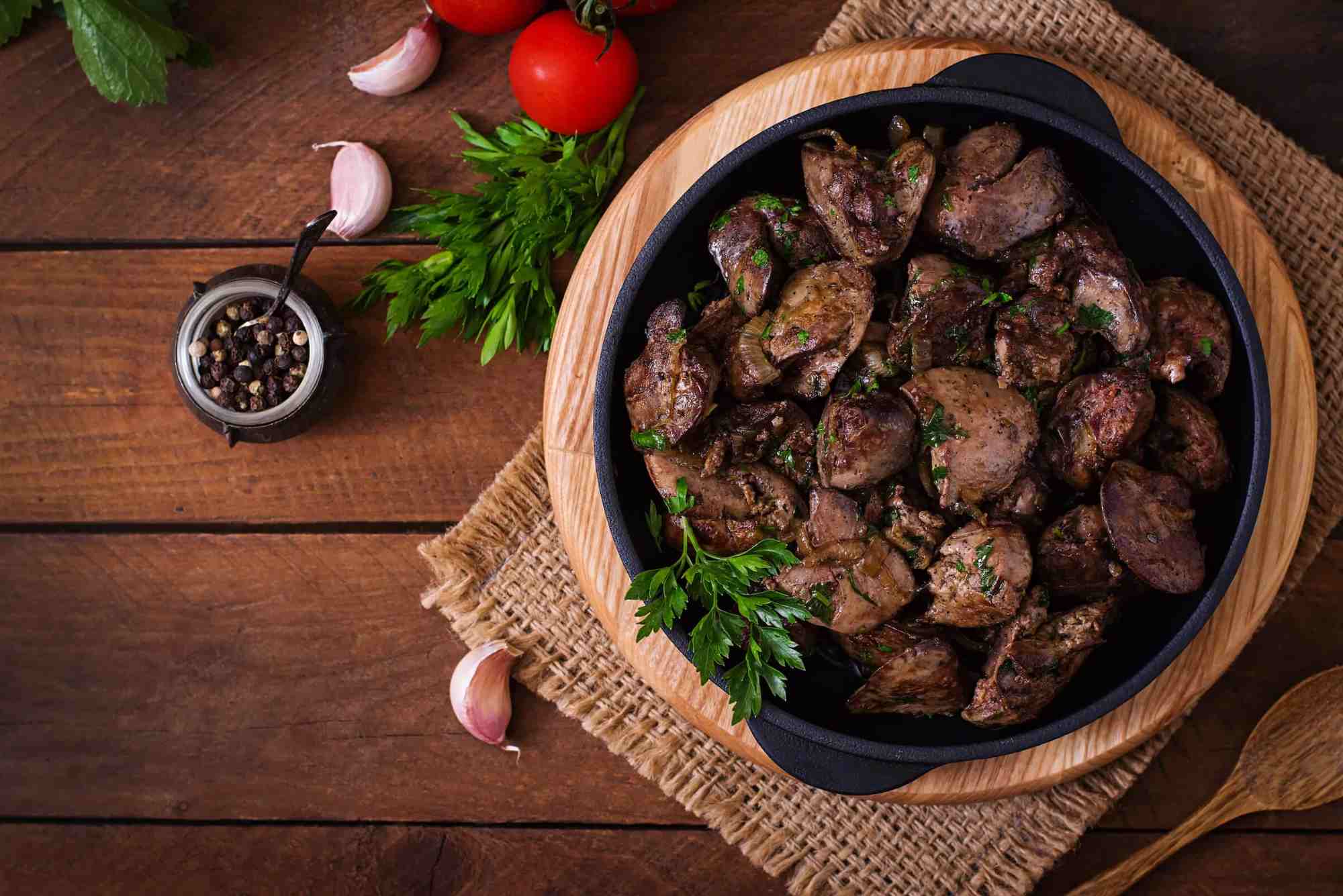
Beef Liver: Nutritional Benefits and Myths
Beef liver, once a cherished staple in traditional diets, has seen both praise and skepticism in modern nutrition circles. Despite being one of the most nutrient-dense foods available, many people hesitate to include it in their diet due to lingering myths or concerns about toxicity. In this guide, we’ll explore the health benefits of eating beef liver, separate fact from fiction, and offer insights into how it can support your wellness goals.
The Nutritional Powerhouse That Is Beef Liver
Beef liver is often called “nature’s multivitamin” — and for good reason. Just a small portion delivers an extraordinary range of essential nutrients, many of which are difficult to obtain from other sources. Rich in protein, vitamins, and minerals, beef liver can support your body in multiple ways. It is particularly high in vitamin A, iron, B12, folate, and copper. These nutrients play critical roles in energy metabolism, immune function, and cognitive performance.
One of the main reasons behind the health benefits of eating beef liver lies in its bioavailability. Nutrients from organ meats like liver are more easily absorbed by the human body compared to those from plant sources or even some muscle meats. For individuals with nutrient deficiencies, particularly iron or B12, beef liver can offer quick and effective replenishment.
Boosting Energy and Fighting Fatigue
Many people today struggle with low energy levels, often caused by iron or vitamin B12 deficiencies. Beef liver is an exceptional source of heme iron — the form of iron most easily absorbed by our bodies. It also provides more B12 per gram than almost any other food. Together, these nutrients help build red blood cells, which are essential for carrying oxygen throughout the body.
By improving oxygen delivery, beef liver helps reduce fatigue, improve stamina, and support mental clarity. For athletes, busy professionals, or anyone battling tiredness, this makes liver a strategic addition to the diet.
Supporting a Healthy Immune System
The immune system depends on a steady supply of essential vitamins and minerals to function optimally. Beef liver provides a unique combination of nutrients that help strengthen your immune defenses. Vitamin A plays a direct role in maintaining the integrity of mucous membranes — your body’s first line of defense against infections. Zinc, copper, and vitamin B6 found in liver also help regulate immune responses and promote wound healing.

Including beef liver in your weekly meal plan can contribute to better resistance against seasonal illnesses and faster recovery from colds or infections.
Brain Health and Cognitive Function
Cognitive decline is a growing concern in today’s aging population. Fortunately, the health benefits of eating beef liver extend to the brain as well. The high B12 content supports the production of neurotransmitters, chemicals that influence mood, memory, and focus. Choline — another compound found in liver — is vital for the development and maintenance of brain cells.
Studies have linked choline deficiency to cognitive impairments and even increased risk of Alzheimer’s disease. Including liver in your diet helps ensure you’re getting this often-overlooked nutrient.
Debunking Common Myths About Beef Liver
Despite its impressive nutritional profile, beef liver has gained a reputation for being “toxic” or dangerous. This idea stems from a misunderstanding of the liver’s role in the body. While the liver does process toxins, it does not store them. Instead, toxins are either broken down and eliminated or stored in fat tissue — not in the liver itself.
Another myth is that liver contains “too much” vitamin A. While it’s true that excessive vitamin A intake can be harmful, this usually results from taking high-dose supplements — not from eating food. When consumed in moderation (1–2 times a week), beef liver provides beneficial amounts of vitamin A that support vision, skin health, and reproduction.
Some also worry about cholesterol. However, dietary cholesterol has minimal impact on blood cholesterol for most individuals. In fact, recent research suggests that saturated fat and refined carbohydrates have a greater effect on heart health than cholesterol from food.
Who Should Avoid or Limit Beef Liver
Although the health benefits of eating beef liver are clear, it’s not suitable for everyone in large amounts. Pregnant women should be cautious with vitamin A intake and consult a healthcare provider before adding liver to their diet. Individuals with certain metabolic conditions, such as Wilson’s disease (which affects copper storage), may also need to avoid it.
If you have concerns, start with small servings and monitor how your body responds. A single 1–2 oz serving once or twice a week is enough for most people to gain benefits without risk.
How to Include Beef Liver in Your Diet
For newcomers, the taste of liver can be intense. However, there are creative ways to prepare it so it’s more enjoyable. Marinating liver in milk or lemon juice can reduce its strong flavor. Sautéing thin slices with onions and garlic, blending it into meatballs or burgers, or adding it to stews are excellent ways to ease into it.
You can also opt for desiccated liver supplements, which retain the nutrients in capsule form. These are especially popular among those who want the benefits without eating the organ directly.
Sustainable and Ethical Considerations
Choosing grass-fed, pasture-raised beef liver ensures a higher quality product that’s more nutrient-dense and better for the environment. Organ meats like liver are also a sustainable food choice, as they utilize parts of the animal that often go to waste.
Consuming organ meats respects the whole animal and reduces food waste. It’s an environmentally conscious choice that also aligns with ancestral eating practices.
A Forgotten Superfood Worth Rediscovering
In a world obsessed with superfoods, few match the nutritional density of beef liver. From improving energy levels to supporting brain function and immune health, the health benefits of eating beef liver are wide-ranging and well-supported by science.
Despite common myths, moderate consumption of beef liver is safe and beneficial for most people. If you’re looking to naturally boost your vitamin and mineral intake, consider adding this powerhouse food to your diet once or twice a week.
FAQs
Q1: Why is beef liver considered a superfood?
Beef liver is packed with bioavailable nutrients like vitamin A, iron, and B12. These support energy, immunity, and brain function more efficiently than supplements.
Q2: Can eating too much beef liver be harmful?
Yes, consuming beef liver excessively can lead to vitamin A toxicity. It’s best to limit intake to 1–2 servings per week unless advised otherwise by a healthcare provider.
Q3: Is beef liver good for iron deficiency?
Absolutely. Beef liver contains heme iron, the most easily absorbed form. It’s excellent for preventing or treating iron-deficiency anemia.
Q4: Does beef liver taste bad?
Taste varies by preparation. Marinating it before cooking and mixing it with herbs, onions, or into other dishes can make it more palatable.
Q5: Is liver from all animals equally nutritious?
While most animal livers are nutrient-rich, beef liver stands out for its balance of vitamins and minerals, especially B12 and vitamin A.
Q6: Can I eat beef liver if I have high cholesterol?
Most people can enjoy liver without impacting cholesterol levels. However, those with specific health conditions should consult their doctor first.
Q7: What is the best way to cook beef liver for beginners?
Sautéing thin slices with onions, garlic, and spices is beginner-friendly. You can also blend small amounts into ground beef dishes.