What Does Education Mean in Arabic
Education is one of the most important concepts across cultures, shaping societies and influencing generations. In Arabic, the term carries not only a linguistic meaning but also deep cultural and historical significance. Understanding the education meaning in Arabic requires exploring its roots, usage, and the values it represents in Arab societies. This article takes a detailed look at how the concept is expressed in the Arabic language, the cultural context behind it, and why it is central to personal and societal development.
Understanding the Term “Education” in Arabic
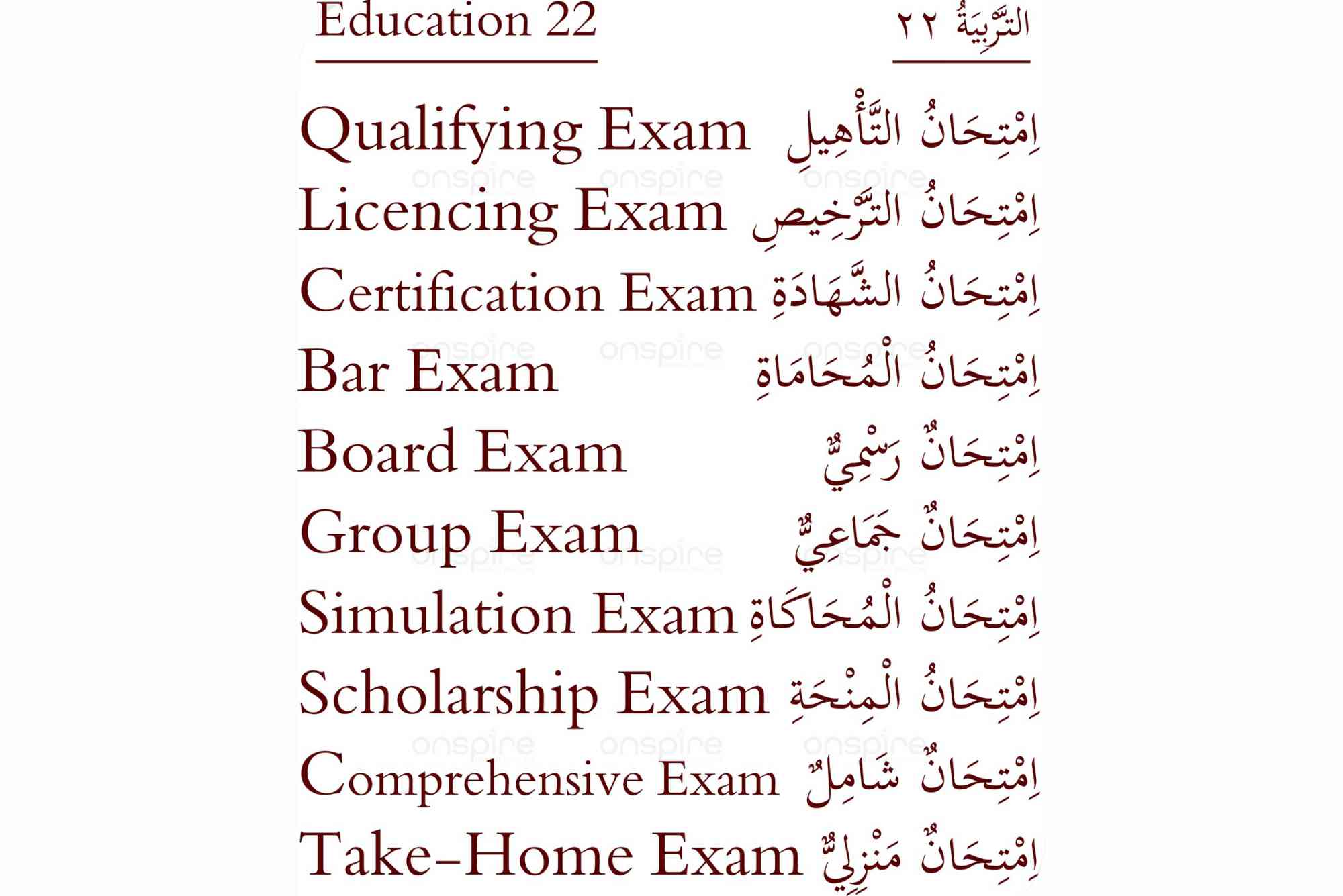
In Arabic, the word most commonly used for education is “التعليم” (al-taʿlīm). This word comes from the root “ع ل م” (ʿ-l-m), which relates to knowledge, learning, and awareness. The same root forms the word “علم” (ʿilm), meaning knowledge or science. Therefore, “التعليم” directly refers to the process of acquiring knowledge, skills, and moral values. Another related term is “التربية” (al-tarbiyah), which focuses more on upbringing, character building, and moral guidance, alongside academic learning.
Linguistic Roots and Historical Background
Arabic is a language built on root systems, where most words are derived from three-letter roots. The root “ع ل م” has been used for centuries in Arabic literature, religious texts, and educational discourse. In Islamic tradition, knowledge is highly valued, and the pursuit of learning is considered a duty for every Muslim. This deep connection between the language and the concept of learning means that education in Arabic is not merely academic—it is moral, spiritual, and social. Historically, Arabic-speaking societies emphasized education in mosques, madrasas, and scholarly gatherings. These institutions taught not only religious subjects but also mathematics, astronomy, literature, and philosophy.
Cultural Significance of Education in Arabic Societies
In Arab culture, education is seen as both a personal responsibility and a community duty. The Prophet Muhammad’s sayings often highlight the importance of seeking knowledge, reinforcing the cultural value placed on education. Parents are expected to ensure their children receive both formal schooling and moral upbringing. The concept of “التربية” ensures that education is holistic, encompassing ethics, respect, and community values. In many Arab countries, education is linked to identity and heritage. Preserving the Arabic language, poetry, and classical literature is considered part of educational responsibility. At the same time, modern education systems in the Arab world integrate global sciences and technologies, blending tradition with modernity.
Difference Between “التعليم” and “التربية”
While both words relate to education, their meanings differ slightly. “التعليم” focuses on instruction and academic learning—teaching facts, skills, and theories. It is more connected to formal schooling and structured lessons. On the other hand, “التربية” relates to nurturing the individual’s moral character, guiding them towards becoming responsible members of society. In practice, Arab educators often combine both, believing that academic excellence should go hand in hand with moral development.
Education in Arabic Religious Context
In the Qur’an and Hadith, knowledge is portrayed as a light that guides people toward truth and righteousness. The Arabic word “علم” appears repeatedly in the Qur’an, emphasizing its importance. Religious education traditionally formed the foundation of learning in Arab history. Students memorized the Qur’an, studied Hadith, and learned classical Arabic grammar to understand sacred texts. Over time, this foundation expanded to include secular sciences, influenced by the Islamic Golden Age, when scholars translated and developed works in medicine, mathematics, astronomy, and philosophy.

Modern Interpretation of Education in Arabic
Today, the education meaning in Arabic encompasses both traditional and modern perspectives. Ministries of Education across the Arab world use “التعليم” as the official term for academic systems. Schools and universities follow structured curricula while also encouraging cultural preservation. In modern usage, the word can refer to all levels of schooling—from kindergarten to postgraduate studies. The modern Arab world also embraces online education, vocational training, and international academic collaborations, showing that the term has adapted to the needs of the 21st century.
Importance of Education in Arab Societies
Education plays a crucial role in economic growth, social stability, and cultural preservation. In Arabic-speaking countries, it is seen as the key to progress and independence. Governments invest heavily in literacy programs, STEM fields, and language studies. Parents consider education the most valuable gift they can provide their children. Socially, education is associated with respect and higher status. An educated person is expected to contribute positively to their community, promote justice, and uphold cultural traditions.
Challenges and Opportunities in Education in the Arab World
While education is highly valued, Arab countries face challenges such as unequal access in rural areas, outdated teaching methods, and the need for curriculum modernization. However, many nations are making significant reforms by introducing technology in classrooms, training teachers in innovative methods, and promoting bilingual education. The rise of online platforms has also made “التعليم” more accessible, allowing students to learn from anywhere. Initiatives like literacy campaigns and scholarship programs show that education in the Arab world continues to evolve.
How Education is Viewed in Daily Arabic Speech
In everyday conversation, Arabs might use “التعليم” when discussing school, courses, or formal learning. They might use “التربية” when speaking about parenting or moral values. The choice of word depends on the context. For example, a parent might say, “التربية أهم من التعليم” meaning “Upbringing is more important than schooling,” highlighting the belief that character matters as much as academic skills. Similarly, educators often stress that true education combines both terms—teaching knowledge and nurturing values.
Education in Arabic Literature and Proverbs
Arabic literature is rich with references to education. Classical poetry praises the learned individual and describes ignorance as darkness. Popular proverbs reflect this respect for learning. One famous Arabic saying is “العلم نور” meaning “Knowledge is light.” Another is “اطلب العلم من المهد إلى اللحد” which translates to “Seek knowledge from the cradle to the grave.” These expressions demonstrate how deeply education is woven into the cultural fabric.
FAQs
What is the exact translation of education in Arabic?
The most common translation is “التعليم” (al-taʿlīm), meaning the process of learning and acquiring knowledge.
Is there a difference between التعليم and التربية?
Yes. “التعليم” focuses on academic learning, while “التربية” emphasizes moral upbringing and personal development.
How important is education in Arab culture?
Education is considered essential, both as a personal achievement and as a way to contribute to society.
What is the origin of the Arabic word for education?
It comes from the root “ع ل م,” which relates to knowledge, awareness, and science.
Does education in Arabic include moral teaching?
Yes. Education in Arab societies often combines academic instruction with ethical and cultural values.
The education meaning in Arabic goes far beyond its dictionary definition. It is rooted in a linguistic tradition that values knowledge, moral guidance, and cultural preservation. The terms “التعليم” and “التربية” together create a complete picture of what education means in Arab culture—learning facts and skills while also nurturing character and values. In modern times, this concept continues to evolve, adapting to new technologies and global challenges while remaining deeply connected to its cultural roots. Understanding this meaning helps bridge cultural gaps and highlights the universal importance of education. If you want to deepen your knowledge of Arabic and its rich cultural expressions, start by exploring its educational heritage—because every step in learning opens a door to a greater understanding of the world.