Introduction
When people search for the term “define telematics,” they usually want a clear explanation without confusing technical jargon. Telematics is now part of everyday technology, especially in transportation, insurance, logistics, healthcare, and smart vehicles. Although the word sounds complex, the concept is surprisingly easy to understand.
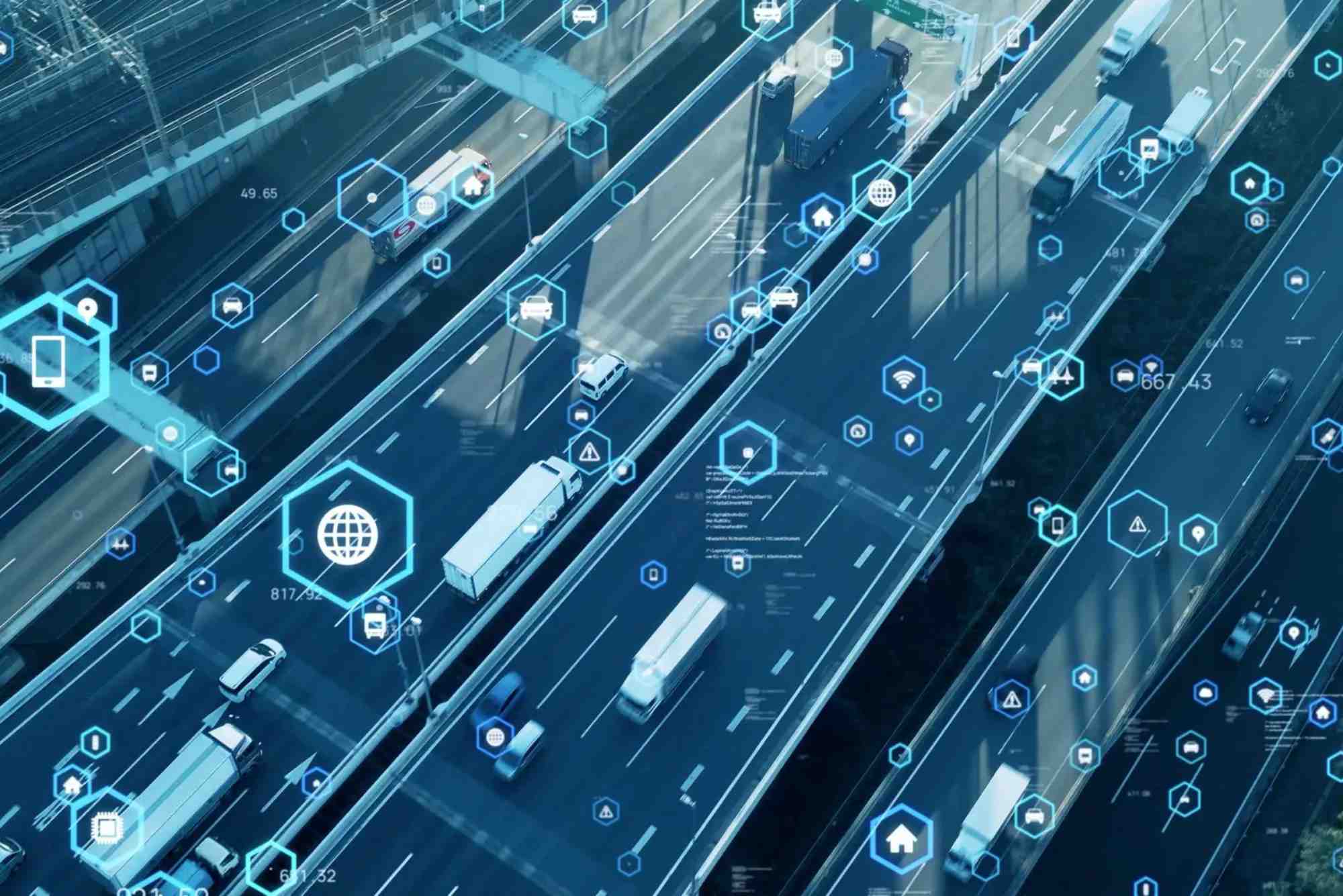
Telematics combines telecommunications and informatics to collect, transmit, and analyze data from remote devices. In simple words, it is technology that tracks and shares information using GPS, sensors, software, and internet connectivity. Today, telematics helps businesses monitor vehicles, improve safety, reduce fuel costs, and manage operations more efficiently.
The growth of connected devices has made telematics one of the fastest-growing technologies worldwide. Modern cars, trucks, fleet systems, and even wearable health devices rely on telematics to provide real-time insights. As industries continue moving toward automation and smart technology, understanding telematics has become more important than ever.
This detailed guide will define telematics, explain how it works, discuss its applications, and explore why businesses and consumers increasingly depend on it in 2026.
What Does Define Telematics Mean?
To define telematics properly, it is important to break the word into two parts. The first part, “tele,” refers to telecommunications or communication over distance. The second part, “matics,” comes from informatics, which relates to data processing and information systems.
Therefore, telematics means using communication technology to send, receive, and store information from remote objects or devices.

In most cases, telematics systems collect data through GPS technology, onboard diagnostics, sensors, and wireless networks. The information is then transmitted to software platforms where users can monitor and analyze it in real time.
For example, when a fleet manager tracks vehicle speed, location, fuel usage, and driver behavior through an app, telematics technology powers the entire process.
The History Behind Telematics
Telematics did not appear overnight. The concept started developing during the 1960s when governments and military organizations began using communication systems to track vehicles and equipment remotely.
During the 1980s and 1990s, GPS technology became more accessible for commercial use. This advancement allowed transportation companies to monitor fleet vehicles more accurately. Over time, internet connectivity improved, making real-time communication faster and more reliable.
Today, telematics has evolved into an advanced ecosystem powered by cloud computing, artificial intelligence, machine learning, and IoT devices. Modern systems now provide predictive maintenance alerts, accident detection, route optimization, and behavioral analytics.
How Telematics Works
Understanding how telematics works makes it easier to define telematics in practical terms. A telematics system typically includes several connected components working together.
Data Collection Devices
Telematics systems rely on hardware devices installed inside vehicles or equipment. These devices gather information such as speed, fuel consumption, engine performance, braking patterns, and location.
Sensors and onboard diagnostic systems continuously record operational data while the vehicle is running.
GPS Tracking Technology
GPS plays a major role in telematics. It determines the exact location of a vehicle or asset in real time. Businesses use GPS data for navigation, route planning, theft recovery, and delivery tracking.
Without GPS technology, modern telematics would not provide accurate location-based services.
Wireless Communication
After collecting data, the telematics device sends information through cellular networks, satellites, or Wi-Fi connections. This communication happens instantly, allowing managers and users to monitor operations remotely.
The rise of 5G networks has significantly improved telematics performance by enabling faster data transmission.
Software and Cloud Platforms
The transmitted data appears on dashboards or cloud-based applications. Users can review reports, monitor trends, and receive alerts. Advanced telematics platforms also use AI-powered analytics to generate recommendations and predictions.
Why Telematics Is Important in 2026
Telematics has become essential because businesses need accurate real-time information to remain competitive. Companies no longer rely only on manual reports or outdated tracking systems.
Instead, telematics provides immediate insights that help organizations reduce waste, improve productivity, and increase safety.
In 2026, industries increasingly depend on automation and connected systems. Telematics supports this transformation by enabling intelligent decision-making through data analysis.
Additionally, governments worldwide are implementing stricter safety and environmental regulations. Telematics helps businesses comply with these rules while improving operational efficiency.
Main Industries Using Telematics
Telematics technology serves many industries today. Its applications continue expanding as connected devices become more advanced.
Transportation and Fleet Management
Fleet management remains the most common use of telematics. Logistics companies use telematics systems to track delivery trucks, optimize fuel usage, monitor driver behavior, and improve delivery schedules.
Businesses also use telematics to reduce maintenance costs and prevent unauthorized vehicle usage.
Insurance Industry
Usage-based insurance programs rely heavily on telematics. Insurance companies analyze driving behavior, mileage, acceleration, and braking patterns to determine personalized premiums.
Safe drivers often receive discounts because telematics data demonstrates lower risk levels.
Automotive Industry
Modern vehicles include built-in telematics systems that support navigation, emergency assistance, remote diagnostics, and entertainment features.
Connected cars now provide software updates remotely and alert drivers about maintenance needs automatically.
Healthcare Services
Healthcare organizations use telematics in remote patient monitoring systems. Wearable devices transmit health information such as heart rate, blood pressure, and physical activity to healthcare providers.
This technology improves patient care while reducing unnecessary hospital visits.
Construction and Heavy Equipment
Construction companies use telematics to monitor machinery performance, fuel usage, and maintenance schedules. Real-time equipment tracking helps prevent theft and minimize downtime.
Benefits of Telematics Technology
The growing popularity of telematics comes from its practical advantages across multiple industries.
Improved Safety
Telematics improves safety by monitoring risky driving behaviors such as speeding, harsh braking, and distracted driving. Businesses can train drivers using real-time feedback and performance reports.
Accident detection systems also notify emergency services immediately after serious collisions.
Lower Fuel Costs
Fuel expenses remain a major concern for transportation companies. Telematics helps reduce fuel consumption by identifying inefficient routes, excessive idling, and aggressive driving habits.
Optimized operations result in substantial cost savings over time.
Better Productivity
Businesses improve efficiency when managers can monitor operations remotely. Real-time visibility allows companies to assign tasks faster, reduce delays, and improve customer service.
Employees also become more accountable when activities are accurately tracked.
Predictive Maintenance
Telematics systems detect mechanical issues before they become serious problems. Maintenance alerts help companies repair vehicles and equipment proactively.
This predictive approach reduces downtime and extends equipment lifespan.
Enhanced Customer Experience
Customers now expect accurate delivery updates and fast service. Telematics enables businesses to provide precise arrival times, shipment tracking, and improved communication.
As a result, customer satisfaction often increases significantly.
Telematics and the Internet of Things
The Internet of Things, commonly called IoT, works closely with telematics technology. IoT refers to devices connected to the internet that share information automatically.
Telematics systems are essentially specialized IoT solutions focused on vehicles, equipment, and remote monitoring.
In 2026, billions of connected devices exchange data every second. This massive network allows telematics systems to become smarter, faster, and more predictive.
For example, smart cities now use telematics data to reduce traffic congestion, improve public transportation, and manage emergency response systems.
The Role of Artificial Intelligence in Telematics
Artificial intelligence has transformed telematics dramatically in recent years. AI algorithms can analyze enormous amounts of data much faster than humans.
Modern telematics platforms use AI to identify patterns, predict breakdowns, and detect unsafe behaviors automatically.
Machine learning models continuously improve accuracy over time. As more data becomes available, telematics systems become increasingly intelligent and efficient.
AI-powered telematics also supports autonomous vehicle development, which continues growing worldwide.
Challenges Associated With Telematics
Although telematics offers many benefits, businesses still face certain challenges when implementing these systems.
Privacy Concerns
Some employees and consumers worry about constant monitoring and data collection. Companies must ensure transparency regarding how telematics data is used and stored.
Clear privacy policies help build trust among users.
Cybersecurity Risks
Connected systems can become targets for cyberattacks. Businesses must invest in strong cybersecurity protections to safeguard sensitive data.
Encrypted communication and secure cloud infrastructure are essential for reducing security risks.
Initial Costs
Installing telematics systems may require significant upfront investment. However, most businesses recover these costs through improved efficiency and lower operational expenses.
Data Overload
Telematics systems generate large amounts of information daily. Organizations need skilled analysts and intelligent software tools to convert raw data into useful insights.
Telematics in Smart Cities
Smart cities increasingly rely on telematics technology to improve urban living. Governments use telematics data for traffic management, emergency response coordination, public transportation planning, and environmental monitoring.
Connected transportation systems reduce congestion while improving fuel efficiency and road safety.
As urban populations continue growing, telematics will play a critical role in creating sustainable and efficient cities.
Future Trends in Telematics
The future of telematics looks extremely promising. Several emerging trends will shape the industry during the coming years.
5G Connectivity
5G networks provide faster communication speeds and lower latency. These improvements allow telematics systems to transmit data more efficiently in real time.
Autonomous vehicles especially benefit from ultra-fast connectivity.
Electric Vehicle Integration
Electric vehicles rely heavily on telematics for battery monitoring, charging management, and route optimization.
As EV adoption increases globally, telematics systems will become even more advanced.
Autonomous Transportation
Self-driving vehicles depend on telematics for navigation, communication, and operational decision-making.
Although fully autonomous transportation still faces challenges, telematics remains one of its core technologies.
Advanced Predictive Analytics
Future telematics platforms will use even more advanced AI tools to forecast maintenance needs, optimize supply chains, and improve safety predictions.
Businesses will increasingly depend on predictive analytics for strategic decision-making.
Define Telematics in Everyday Language
If someone asks you to define telematics in simple words, the easiest explanation is this:
Telematics is technology that uses GPS, sensors, internet connections, and software to collect and share information from vehicles or remote devices.
It helps businesses and consumers track, monitor, and improve operations using real-time data.
This straightforward definition explains the core idea without technical complexity.
Telematics Compared to GPS Tracking
Many people confuse telematics with GPS tracking, but they are not identical concepts.
GPS tracking only shows location information. Telematics goes much further by collecting additional operational data such as engine diagnostics, driver behavior, fuel usage, and maintenance alerts.
In other words, GPS tracking is one feature inside a broader telematics system.
Why Businesses Continue Investing in Telematics
Businesses continue investing in telematics because the technology produces measurable results. Companies reduce costs, improve compliance, enhance safety, and increase operational visibility.
Data-driven decision-making has become essential in modern industries. Telematics provides the accurate insights needed for smarter business strategies.
Organizations that ignore telematics risk falling behind competitors using advanced connected technologies.
Real-World Examples of Telematics
Ride-sharing companies use telematics to match drivers with passengers and monitor trip efficiency. Delivery services track shipments in real time to improve customer satisfaction.
Insurance providers analyze driving habits for usage-based policies. Construction firms monitor heavy equipment to prevent breakdowns.
Even parents use telematics applications to monitor teen driving behavior for safety purposes.
Telematics Overview Table
| Aspect | Details |
|---|---|
| Definition | Technology that collects and transmits remote data |
| Main Components | GPS, sensors, software, wireless networks |
| Common Uses | Fleet management, insurance, healthcare |
| Major Benefits | Safety, efficiency, cost savings |
| Key Industries | Transportation, automotive, healthcare |
| Core Technology | IoT, AI, cloud computing |
| Future Trends | 5G, electric vehicles, automation |
| Primary Function | Real-time monitoring and analysis |
Understanding how to define telematics is increasingly important in a connected digital world. Telematics combines communication systems, data analytics, GPS tracking, and smart software to create powerful monitoring solutions for businesses and consumers.
From fleet management and insurance to healthcare and smart cities, telematics continues transforming industries worldwide. The technology improves efficiency, reduces costs, increases safety, and supports better decision-making through real-time data analysis.
As artificial intelligence, IoT, and 5G networks continue advancing, telematics will become even more integrated into daily life. Businesses that embrace telematics today position themselves for long-term success in the future economy.
If you want to stay ahead in modern technology trends, now is the perfect time to learn more about telematics solutions and connected systems.
For more insights about digital transformation, you can explore our internal resources using the anchor text “smart vehicle technology,” “connected fleet management,” and “future transportation systems.”
Frequently Asked Questions
What is the simple definition of telematics?
Telematics is technology that combines GPS, sensors, software, and communication systems to collect and transmit real-time data from vehicles or remote devices.
What is telematics used for?
Telematics is used for fleet management, GPS tracking, insurance monitoring, vehicle diagnostics, healthcare monitoring, and smart city management.
Is telematics the same as GPS?
No. GPS only tracks location, while telematics includes additional features like fuel monitoring, maintenance alerts, driver behavior analysis, and performance tracking.
How does telematics improve safety?
Telematics improves safety by monitoring speeding, harsh braking, distracted driving, and vehicle health. It also provides emergency alerts during accidents.
Which industries use telematics the most?
Transportation, logistics, insurance, healthcare, automotive, and construction industries use telematics extensively.
Can telematics reduce business costs?
Yes. Telematics reduces fuel expenses, improves maintenance scheduling, lowers accident risks, and increases operational efficiency.
What technologies power telematics systems?
Telematics systems rely on GPS, IoT devices, wireless communication, cloud computing, artificial intelligence, and data analytics.
What is the future of telematics?
The future of telematics includes AI-powered analytics, autonomous vehicles, electric vehicle integration, smart city applications, and faster 5G connectivity.
Fixing “Remote Computer Disconnected Due to Licensing Protocol” can resolve Remote Desktop connection issues caused by corrupted licensing data or outdated terminal server settings. Common fixes include deleting the MSLicensing registry key, running Remote Desktop as administrator, updating Group Policy settings, or restarting Remote Desktop Services. These steps help restore a stable and secure remote connection quickly.
Related Reading: Nasdaq Full Form
Related Reading: Apple Owner Name
Related Reading: Debt Collection Attorney
Related Reading: Staff Incentives
Related Reading: Define LLC
Related Reading: Self Assessment Sample
Related Reading: How a Barcode Inventory System Transforms Stock Management — full guide
Related Reading: Shipping companies in Muscat
Related Reading: What's Google Analytics
Related Reading: Payroll Preparation