Bengali Beauty Trends: Culture, Makeup & Timeless Elegance
Bengali beauty is more than a visual aesthetic—it’s a cultural expression shaped by centuries of tradition, art, and identity. From the soft curves of a white saree bordered in red to the bold swipe of kohl-lined eyes, Bengali beauty is an experience—a soulful blend of heritage and modern flair. This timeless elegance has remained relevant through generations, gracefully evolving while staying rooted in its cultural essence.
In today’s fast-paced beauty world, Bengali beauty continues to stand out, not just in Bengal but globally. With Bengali cinema, fashion, and influencers gaining international attention, many are discovering the unique allure that defines this regional aesthetic. Let’s explore the cultural foundations, makeup preferences, and enduring elegance that make Bengali beauty truly unforgettable.
The Cultural Essence of Bengali Beauty
To understand Bengali beauty, one must first understand Bengal’s culture. Bengali aesthetics stem from its deep literary, artistic, and religious roots. From Rabindranath Tagore’s poetry to the paintings of Jamini Roy, beauty in Bengal has always been about natural grace, emotional depth, and artistic balance.
Traditional Bengali beauty rituals are closely tied to festivals like Durga Puja. During these times, women adorn themselves in red-and-white sarees, vermilion bindis, and gold jewelry. These visual cues are not just about appearance—they symbolize strength, devotion, and femininity. There’s a spiritual beauty woven into everyday life.
Traditional Bengali Makeup: A Symbol of Grace
Bengali makeup stands out for its bold simplicity. While the approach may vary across regions and generations, the foundational elements remain iconic.
The Signature Kohl Eyes
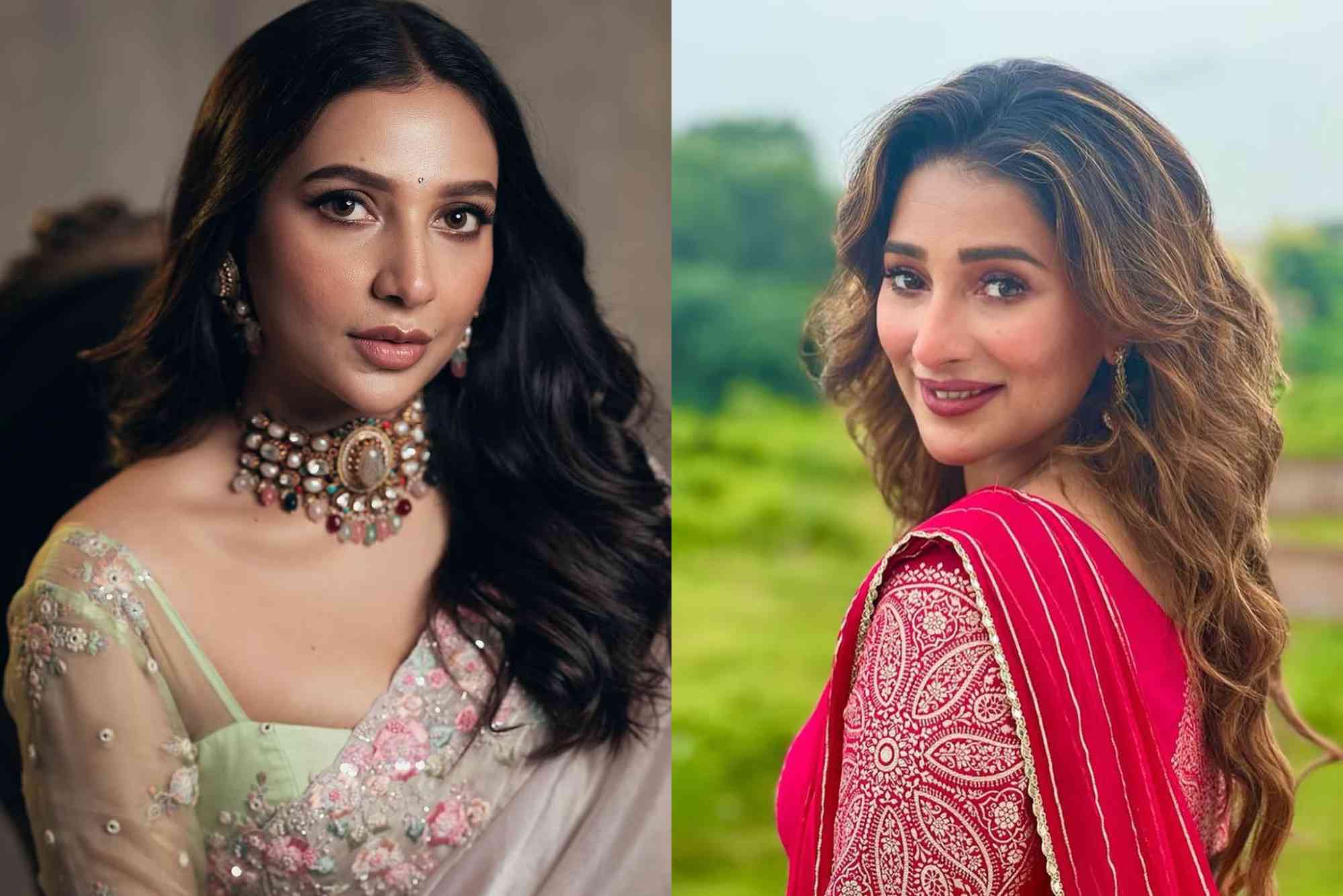
A defining feature of Bengali beauty is the generous use of kohl or kajal. Often applied thickly along the upper and lower waterlines, kohl not only enhances the eyes but also reflects a cultural and emotional depth. The eyes are considered the soul’s window in Bengali philosophy—and kajal enhances their expressive power.

The Red Bindi and Vermilion
The red bindi on the forehead is more than a decorative mark—it carries marital, cultural, and spiritual meaning. Similarly, the application of sindoor (vermillion) along the hair parting symbolizes married life for Hindu Bengali women. Together, these simple touches frame the face with powerful symbolism.
Subtle Skin, Bold Features
In contrast to heavily contoured Western looks, traditional Bengali makeup favors a natural, dewy base. The skin is kept luminous with minimal foundation, allowing the eyes and lips to take center stage. A hint of blush and a soft highlighter on the cheekbones complement the look.
Classic Red Lips
Red lipstick has been a staple in Bengali makeup for decades, representing strength, love, and energy. From deep maroons to bright crimson, the color red is celebrated across festive and bridal looks.
The Evolution of Bengali Beauty in Modern Times
While tradition holds strong, modern Bengali beauty has adapted with time. Bengali women today merge their heritage with contemporary trends, resulting in an aesthetic that’s both classic and current.
Urban Influences and Western Fusion
With global beauty trends sweeping social media, many Bengali influencers blend Western makeup with traditional touches. Winged eyeliner paired with nude lips, matte foundations with metallic eyeshadow—this fusion showcases versatility without compromising cultural roots.
Rise of Bengali Beauty Influencers
From Kolkata to the diaspora across London, Toronto, and New York, Bengali beauty influencers have made a significant impact online. Creators like Ankita Chaturvedi and Debasree Banerjee often feature traditional Bengali looks on platforms like YouTube and Instagram, drawing millions of views. Their content not only promotes beauty but celebrates culture, history, and identity.
Bengali Beauty in Film and Fashion
Iconic Bengali actresses like Suchitra Sen, Aparna Sen, and more recently Rituparna Sengupta and Paoli Dam, have carried the Bengali look into Indian cinema with grace. Their on-screen personas often reinforce the elegance of Bengali beauty—minimalist, expressive, and deeply emotional.
In fashion, designers such as Sabyasachi Mukherjee have elevated Bengali textiles and aesthetics to global runways. His bridal collections often feature Bengali brides draped in traditional weaves, complete with temple jewelry and subtle makeup.
Bengali Bridal Beauty: Timeless & Regal
Among all Bengali beauty trends, bridal looks are the most visually striking. A Bengali bride is the epitome of cultural richness and feminine power. She is adorned in a red Banarasi saree, gold temple jewelry, and intricate alta designs on her hands and feet.
Her face, however, remains relatively natural, with bright eyes, a bold red lip, and classic hair parted and covered with a veil. What sets the Bengali bride apart is the balance—no part of her look overwhelms. Instead, everything comes together to tell a story of tradition, joy, and dignity.
Skin and Hair Care Traditions in Bengali Households
Beauty in Bengal has long been tied to natural remedies and homegrown ingredients. Grandmothers pass down skin and hair care rituals based on Ayurveda and folk wisdom.
Turmeric, rose water, and gram flour masks are staples. For hair, coconut oil massages infused with hibiscus, methi (fenugreek), or curry leaves remain popular. These natural treatments not only nourish but create a deeper bond between generations through shared practices.
Bengali Beauty for Men
While often less discussed, Bengali beauty norms also extend to men. Traditionally, Bengali men are admired for their intellectual charm, tidy grooming, and artistic sensibility. Clean skin, well-maintained hair, and subtle fragrances are part of the aesthetic. In recent years, there’s been a growing acceptance of men using skincare and minimalist makeup to enhance their appearance.
Why Bengali Beauty Stands Out in the Global Landscape
With so many beauty cultures worldwide, what makes Bengali beauty truly unique? It’s the harmony of opposites—soft yet bold, simple yet symbolic. Bengali beauty doesn’t rely on flashy trends. Instead, it tells stories—of heritage, resilience, and emotional depth.
As global beauty shifts toward authenticity and cultural appreciation, Bengali aesthetics offer a blueprint. It teaches that beauty is not about excess but about meaning and connection.
Embrace the Elegance of Bengali Beauty
Bengali beauty is not a trend. It’s a legacy—a continuous narrative of grace, strength, and soul. Whether you’re drawn to the traditional red bindi, the dramatic kajal eyes, or the effortless blend of modern and classic styles, there’s something in Bengali beauty for everyone.
If you’re exploring new beauty inspirations or seeking a deeper connection to your cultural roots, let Bengali beauty guide you. Celebrate its past, embrace its present, and carry its timeless elegance into the future.
Ready to explore Bengali beauty? Try recreating a traditional Bengali makeup look or explore your local culture through fashion and rituals. Share your style with us and be part of the story.
FAQs
What defines Bengali beauty?
Bengali beauty is characterized by expressive eyes, natural skin, red bindis, and traditional touches rooted in Bengali culture and traditions.
What are common Bengali makeup essentials?
Kajal, red lipstick, sindoor, bindis, and natural skincare products like rose water and turmeric are staples in Bengali beauty routines.
How do Bengali bridal looks differ from other Indian styles?
Bengali bridal beauty is known for its red Banarasi saree, gold jewelry, natural makeup, and the use of ‘alta’ on hands and feet, offering a regal yet understated elegance.
Can Bengali beauty be modernized?
Absolutely. Many modern Bengali women blend tradition with global trends—combining classic elements like kajal with nude lips, matte foundations, or contemporary hairstyles.
What skincare traditions are common in Bengali households?
Natural remedies such as turmeric masks, coconut oil massages, and rose water toners are passed down through generations, focusing on holistic beauty.