
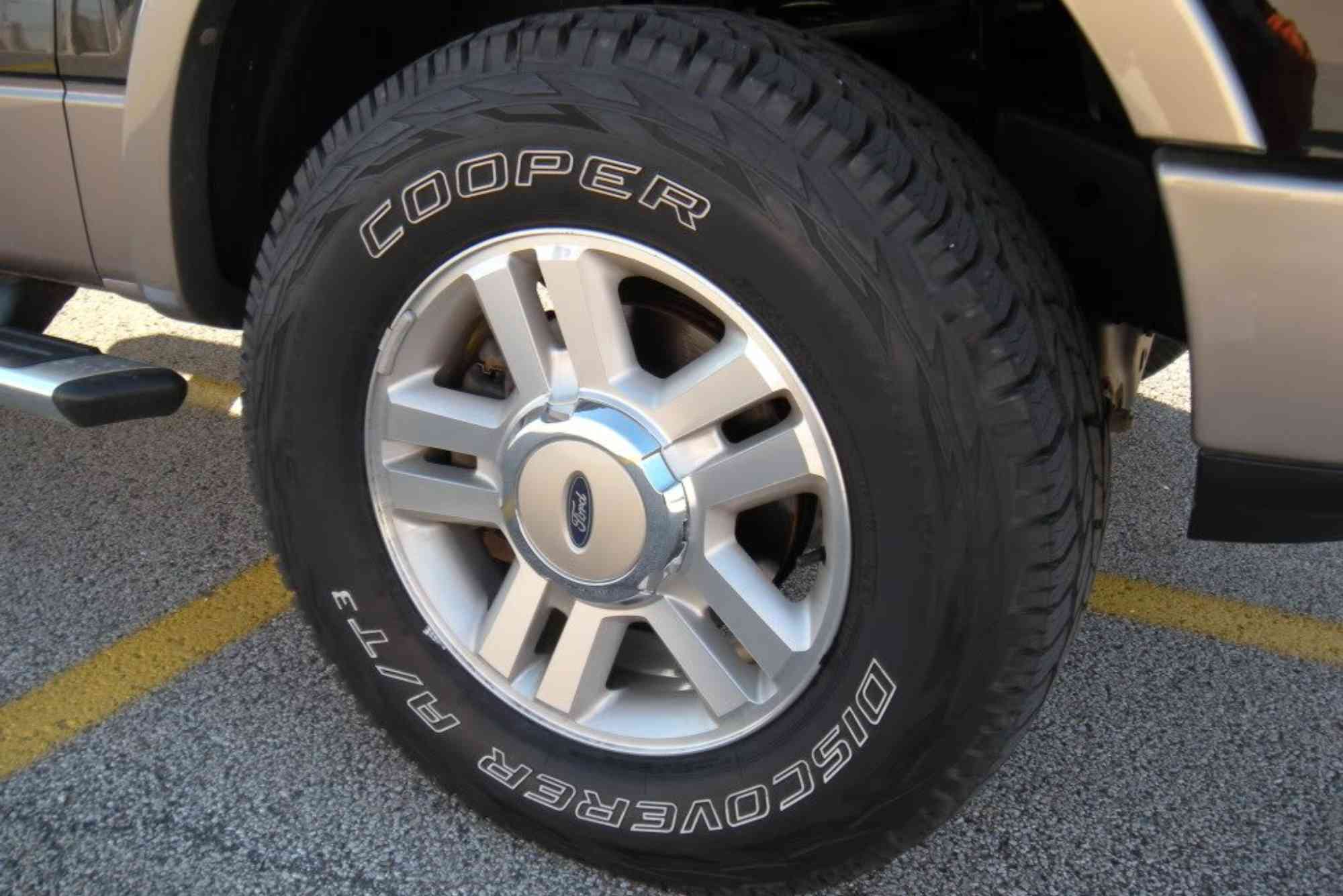
Introduction
Choosing the right tire size has a major impact on driving comfort, safety, and performance. Among popular tire sizes, 245 R16 tires stand out for offering a balance between width, sidewall height, and road grip. If you are wondering when to use 245 R16 tires and what exactly they offer, this guide will clarify everything from performance and fit to terrain and longevity. You will learn when 245 R16 tires are an ideal choice, what expectations are realistic, and how to make the most of them.
What Does “245 R16” Mean
Width, Aspect Ratio, and Rim Diameter
The label 245 R16 tires indicates a tire width of 245 millimeters. The letter “R” stands for radial construction, which is standard in modern automotive tires. The “16” refers to the rim diameter in inches. When you combine width with rim size, 245 R16 tires cover a broad contact patch while maintaining compatibility with 16-inch wheels. That width contributes to lateral grip, especially during cornering, and affects fuel efficiency and ride comfort.
Sidewall and Profile Implications
While “245 R16” does not include the aspect ratio explicitly, drivers usually pair it with various profiles, such as 245/60 R16 or 245/70 R16. The aspect ratio (the sidewall height expressed as a percentage of the width) influences how cushioned or firm the ride feels. A higher ratio provides more comfort over rough surfaces. Thus, using 245 R16 tires with a higher aspect ratio will absorb road imperfections better, whereas a lower ratio will sharpen handling.
When to Use 245 R16 Tires
Everyday Road Driving
When you drive primarily on paved roads, 245 R16 tires deliver sturdy performance. Their width provides improved stability during highway cruising and firm traction under dry conditions. You’ll notice enhanced cornering and better braking response compared to narrower tires. If your vehicle’s wheel wells accommodate them without rubbing, these tires can improve confidence on winding roads and in city traffic alike.
Light Off-Road or Mixed Terrain
When roads turn rough or you occasionally move onto gravel, dirt, or lightly muddy tracks, 245 R16 tires with all-terrain tread patterns work well. They maintain a balance: wide enough for grip on loose surfaces and tall enough sidewalls to cushion rocks. If you select variants designed for mixed terrain, you can expect more performance off pavement without sacrificing highway refinement. Just don’t expect full off-roading capability like you would from deep-tread mud-terrain tires.
Seasonal Conditions: Rain and Light Snow
In rainy seasons, 245 R16 tires with quality tread and good grooves offer strong hydroplaning resistance. Water evacuation improves when the tread is well designed, so choosing tires in this size that emphasize channels and sipes helps. In light snow, the width helps maintain a steady contact patch. But thick snow or ice challenges them unless they are specially rated or winter-dedicated in 245 R16 size. They do fine for occasional winter driving if properly treaded and with adequate sidewall height.

What to Expect from 245 R16 Tires
Performance and Handling Trade-Offs
When you install 245 R16 tires, expect sharper turn-in and more responsive steering. Because the contact patch is wider, lateral grip improves. However, wider tires often cost more at high speed, increase rolling resistance, and may reduce fuel efficiency. The sidewalls might flex less if the aspect ratio is low, making ride harshness more noticeable. So you’ll trade off some comfort for performance depending on the profile you choose.
Fuel Economy and Rolling Resistance
Fuel consumption tends to rise with 245 R16 tires compared to narrower tires. The wider footprint creates more aerodynamic drag and rolling resistance. If you drive mostly on long highway stretches, this difference becomes measurable. Choosing tires with efficient tread compounds and lower rolling resistance ratings helps reduce the penalty. Be realistic: expect slightly higher fuel usage, especially under load or at high speed.
Wear and Lifespan
245 R16 tires often wear evenly when the vehicle is aligned and inflated properly. Still, because more rubber contacts the road, wear on the outer edges or shoulders may be faster during aggressive cornering. Maintenance like regular rotation, balancing, and checking pressures extends lifespan significantly. Depending on usage, quality, and driving conditions, 245 R16 tires can serve well over many tens of thousands of kilometers, especially in mild climates.
Noise, Comfort, and Ride Quality
Wider tires sometimes generate more road noise. That comes from larger tread blocks or aggressive tread patterns. But if you select 245 R16 tires with a smooth, quieter tread design and flexible sidewalls, comfort remains good. Highway cruising becomes more serene when road imperfections are better absorbed. Still, expect more road feedback than you would with smaller, softer tires especially on coarse pavement.
Fitment and Compatibility Considerations
Vehicle Wheel Well and Suspension Clearance
Before investing in 245 R16 tires, check whether your vehicle’s wheel wells and suspension components allow for their width plus sidewall height. If the tires rub on fenders during turns or suspension travel, you risk damage. It is essential to verify clearance for both vertical and lateral movement. Sometimes minor adjustments or rolling fender lips help; other times the size might simply be too large for your vehicle setup.
Aspect Ratio Choices
Pairing the “245” width and “16” rim diameter with different aspect ratios impacts ride. Higher ratios like 70 or 75 offer taller sidewalls for comfort at lower RPMs. Lower ratios like 50 or 55 sharpen response and cornering but sacrifice cushioning. It’s best to choose based on your driving style: frequent highway or comfort favors higher aspect ratios; sporty or performance driving favors lower ones.
Load Rating and Speed Rating
Every 245 R16 tire has a load index and speed rating. These letters and numbers indicate maximum carrying capacity and safe speeds. Expect that performance-rated 245 R16 tires may have higher speed ratings, firmer sidewalls, and stiffer compounds. If you often carry heavy loads or tow, ensure the load rating meets your needs. Otherwise you might risk overheating or premature wear.
Pros and Cons of Using 245 R16 Tires
When you decide to use 245 R16 tires, there are clear advantages and trade-offs. Among the advantages are better grip, improved handling in many conditions, and enhanced stability at speed. Their size gives you a wider contact patch, which increases traction during acceleration, braking, and cornering. On the downside, they may cost more, reduce fuel economy, potentially increase road noise, and demand careful fitment.
After evaluating how 245 R16 tires perform in different conditions, what to expect from them, and what compatibility issues to watch, you can decide whether they suit your driving needs. If you seek a blend of stability, strong road grip, and confident handling, and your vehicle accommodates their size, 245 R16 tires are a great choice. To get the best out of them, choose the right tread pattern, maintain proper pressure, and consider your driving style.
If you’re ready to upgrade or replace your tires, explore quality options in the 245 R16 size, compare manufacturers, and ensure the ratings match your demands. Your ideal fit is out there—invest carefully, and enjoy safer, more reliable rides.
FAQ
What does 245/70 R16 mean compared to 245 R16?
When someone says “245/70 R16,” the “70” refers to the aspect ratio—sidewall height equals 70 percent of the 245 mm width. It means taller sidewalls than, for instance, 245/55 R16. That extra height improves comfort, cushioning, and the ability to absorb bumps. Without such a ratio, saying “245 R16 tires” is shorthand that leaves out how tall the sidewall is, so full size matters.
Are 245 R16 tires suitable for snow and ice?
245 R16 tires perform decently in light snow if they have winter compound and deep, bite-oriented treads. In heavy snow or ice, though, even winter-rated tires struggle. Snow chains or dedicated snow tires with studs may be safer. Make sure your tires carry the snowflake symbol if you expect winter extremes.
Will 245 R16 tires reduce fuel economy?
Yes, they typically increase rolling resistance and aerodynamic drag when compared to narrower, smaller tires. Consequently, fuel consumption tends to rise, especially under highway driving or heavy load. Still, the difference may be modest if you use good tire compounds and maintain correct inflation.
How do I know if 245 R16 tires fit my car?
Check your vehicle’s current tire markings, owner’s manual, or door jamb label. These tell you the maximum recommended tire size, load index, and speed rating. Ensure adequate clearance in wheel wells and over suspension travel to avoid rubbing or interference. If you are unsure, consult a tire professional or installer.
What is the lifespan of 245 R16 tires?
Life expectancy depends on driving style, road quality, climate, load, and maintenance. Under favorable conditions with proper rotational schedule and pressure, they may last over 50,000 to 70,000 kilometers. Aggressive driving, rough roads, or heavy loads can cut that significantly. Watching tread depth and keeping alignment in check helps maximize lifespan.