
Introduction
Every year when frost nips at your windows and snow begins to blanket the ground, you want a vehicle that behaves predictably. That begins with the tires. In cold conditions, ordinary all-season tires cannot match the control and grip that quality winter tires provide. For drivers who rely on the 225 70R14 size—often found on older trucks, SUVs, or utility vehicles—selecting proper snow tires can mean the difference between a stressful slide and a composed, safe drive. Here I explain what defines excellent 225 70R14 snow tires and how to choose the right pair for your winter journeys.
Winter comes with its challenges: sleet, ice, snow, and freezing temperatures. If your vehicle uses the 225 70R14 tire size, choosing the right snow tire matters more than ever. This article walks you through everything you need to know about 225 70R14 snow tires—why they matter, what features to prioritize, and which options perform best on winter roads. You will come away with confidence to pick tires that deliver safety and performance.
Why 225 70R14 Snow Tires Matter
What makes snow tires different
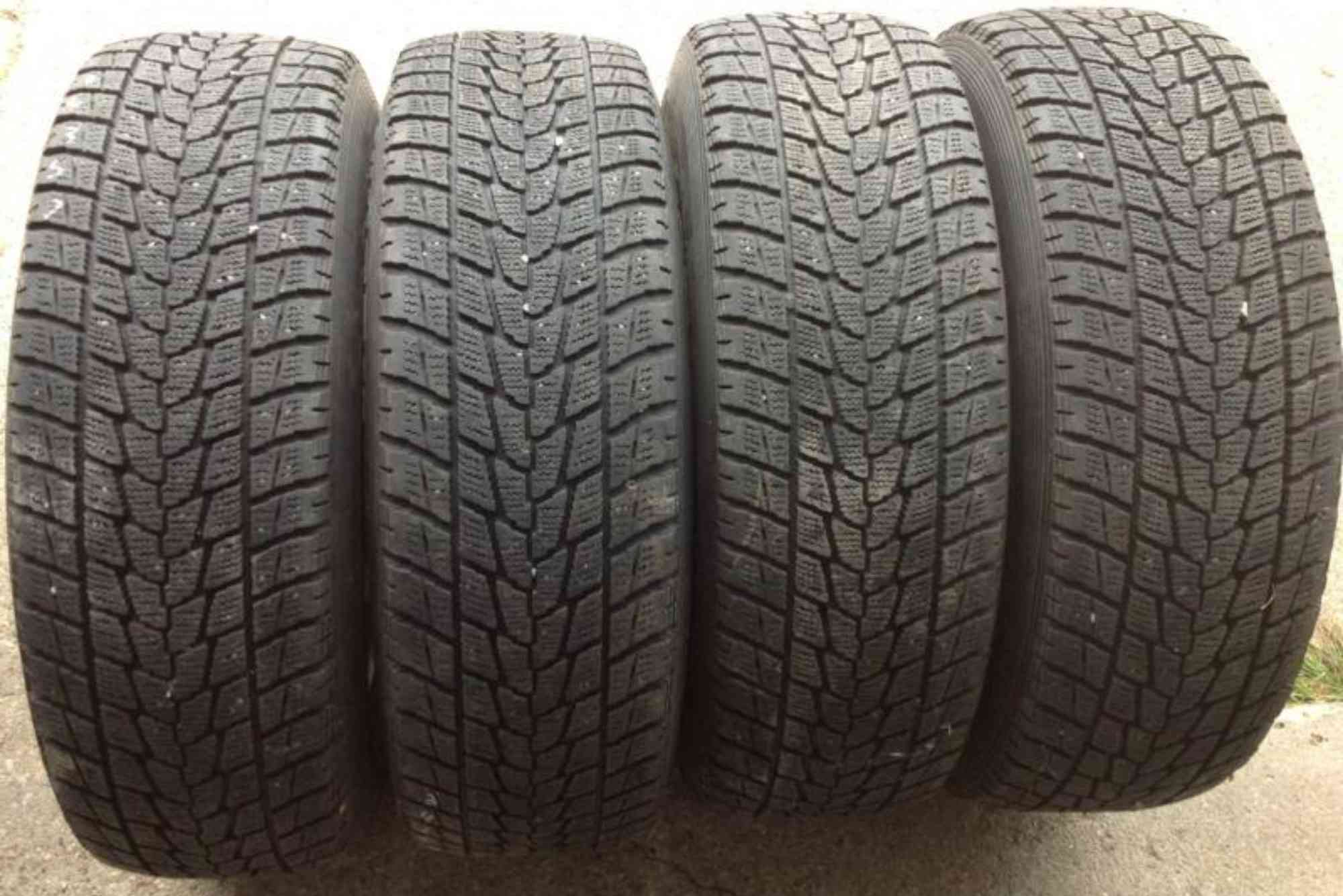
Snow tires are engineered with tread compounds and patterns that remain flexible in freezing temperatures. In contrast, standard rubber hardens, reducing grip. The grooves, sipes, and voids in snow-specific designs help shed snow and water, preventing slippage. For the 225 70R14 size, these design features become vital because the tire’s contact patch is moderate—neither too wide nor too narrow—so every grip-enhancing detail counts.
Unique demands on 225 70R14 size
Vehicles that use the 225 70R14 tire size often have heavier suspensions or carry more load capacity. They may be older trucks, vans, or compact SUVs. In winter, additional weight, snow build-up, and cold ground temperatures place extra stress on tires. The tires must manage snow banks, icy roads, and occasional gravel or road salt. That means durability, compound performance at low temperatures, and tread that clears snow well are critical for 225 70R14 snow tires.
Key Features to Look For in Snow Tires
Rubber compound and temperature response
The tire’s compound should remain pliable below about 45°F (7°C). When cold, good winter rubber should flex rather than become brittle. If the compound hardens, grip suffers dramatically. For drivers facing deep snow or chilly morning commutes, that difference in flexibility can change reaction times on slick surfaces.
Tread pattern, sipes, and shoulder design
Tread pattern must be aggressive enough to bite through snow but balanced to prevent noise on clear roads. Deep tread depths help with snow and slush. Sipes—thin slits across the tread blocks—improve traction on ice by increasing biting edges. Shoulder design, the outer edge of the tire tread, helps with handling and channeling water or slush away from the contact patch.

Snow and ice braking performance
Good 225 70R14 snow tires should shorten stopping distances on wet, icy, and snow-packed roads. When the road is covered with hard-packed snow or ice, braking performance depends as much on tread design and compound as on driver skill. You want tires that respond consistently in braking tests, meaning they grip under hard braking without locking or sliding.
Handling, ride comfort, and noise
While winter tires inherently trade off some road noise for grip, the best models in 225 70R14 size manage noise well. Handling—cornering, steering response, and stability—also matters. A tire that wanders, squats in turns, or feels vague in steering makes winter driving tiring and unsafe. The ideal snow tire balances grip, comfort, and stable handling.
Durability and tread life
Winter wear can come from biting at ice, grinding on rough salt-treated roads, or rubber wear from deep snow. A snow tire that wears out after one winter is a poor investment. For 225 70R14 snow tires, durability means deeper tread, strong sidewalls, and compounds that resist tearing and chipping when driven over rough winter debris like gravel and curbs.
Evaluating Top 225 70R14 Snow Tire Options
When you examine different brands and models of snow tires in the 225 70R14 size, you will notice performance varies based on compound, tread design, and intended use. Some tires are built for deep snow and off-road use, others are more highway-oriented, and a few aim to offer a mix. Below I share what to expect from those options and how to match them to your driving style.
Deep snow and truck oriented performance
If your winter involves unplowed roads or frequent snow banks, you need tires with very aggressive tread. Those tend to have larger voids, tall blocks that help dig through snow, and reinforced sidewalls to resist damage from curbs or hidden obstacles. You will sacrifice some noise and fuel efficiency, but you gain traction when off pavement or in deep snow.
Highway snow and cold weather commuting
For drivers who spend most of winter time on paved roads and highways, the priorities shift. You want a snow tire that manages slush and ice without compromising stability at speed. That typically means a tread design focused on many closely spaced sipes, a smooth shoulder interface, and a rubber compound engineered to resist heat buildup even in lower speeds.
All-weather style winter use
If you face mixed winters—some snow, some slush, some bare pavement—you may favor snow tires that handle well in all those conditions. These models may not perform as well in deep snow as aggressive tires, but they offer a more comfortable ride and quieter sound, and still deliver significantly better winter safety than all-season tires.
Caring for Your 225 70R14 Snow Tires
Proper inflation and tire pressure
Cold weather lowers tire pressure. Every drop in temperature can reduce pressure by a pound or more. Underinflated tires wear unevenly and lose effectiveness in snow. Overinflation reduces contact patch and grip. You should check pressure frequently—ideally every two weeks—and follow your vehicle manufacturer’s recommendations for winter pressures.
Rotation, alignment, and balancing
Snow tires wear differently than summer or all-season tires. Rotate them regularly—front to rear, side to side—to ensure even wear. Proper alignment keeps the tire running true, avoids rapid edge wear, and improves handling. Balanced tires reduce vibration, which otherwise can damage the rubber and reduce driver control.
Storage during off-season
When snow no longer threatens roads, store your snow tires properly. Clean off salt and debris, dry them well, and keep them in a cool, dry place away from direct sunlight. If mounted on wheels, hang or stack them correctly. Heat, ozone, and UV light degrade winter compounds. Good storage helps preserve performance for future winters.
Pros & Cons of Using Snow Tires in 225 70R14 Size
Using snow tires offers safety, but there are trade-offs. In shaking out pros and cons, you can decide whether the investment makes sense based on your region’s winter severity and how much you drive.
On the plus side, snow tires give much better stopping power in snow and ice, better stability when accelerating, and more confident handling in cold conditions. You reduce the chance of skidding or losing control when roads suddenly ice over. That extra grip can save you in emergencies.
On the downside, snow tires tend to be noisier on dry roads. They usually have softer compounds that wear faster if used year-round on hot pavement. Fuel efficiency may drop slightly because the tread pattern and rubber increase rolling resistance. Also, there is the cost of purchasing a second set of wheels or storing the tires off-season.
How to Choose the Best 225 70R14 Snow Tire for Your Needs
Choosing starts with evaluating where you drive, how often snow or ice appear, and how important comfort and noise are to you. If you live in an area with harsh winters and heavy snow accumulation, go for aggressive tread and strong durability. If you usually drive on highways with occasional frost or flurries, pick tires optimized for slush and ice. Also, align the purchase with your budget—higher performance often costs more. But remember that winter tires are a safety investment. It is better to buy once and have something that works well than to buy multiple cheaper sets and risk unsafe behavior.
When winter strikes, the difference between controlled braking and sliding or confident acceleration and spinning wheels often lies in your tires. Fitting your vehicle with high quality 225 70R14 snow tires brings grip, confidence, and peace of mind. By paying attention to rubber compound, tread design, handling, and durability, you can choose snow tires that match your environment and driving habits. Don’t wait until the first snowstorm or slick road catches you off guard. Act now, get set up for winter, and enjoy safer drives throughout the cold months.
Drive safely always, and here’s your next step: when you’re ready, explore reliable snow tire brands, try them at your local installer, and get those 225 70R14 snow tires mounted before ice or snow hits. Your safety depends on it.
FAQ
What is the difference between snow tires and winter tires?
People often use “snow tire” and “winter tire” interchangeably. Both are designed for cold, icy, and snowy conditions. Winter tires may include models that handle slush and freezing rain more broadly. Snow tires tend to emphasize deep snow performance. In everyday language, 225 70R14 snow tires are winter tires built for snow-specific performance.
Can I use 225 70R14 snow tires all year round?
You technically can, but it is not ideal. The compounds are soft and can wear quickly on warm pavement. Also, handling and braking may suffer when roads are clear and dry. For best performance and longevity, swap to all-season or summer tires when winter passes.
How do I know if 225 70R14 fits my vehicle?
Check the owner’s manual or the sidewall of your current tire. It will list the size. If it reads “225/70R14,” that matches. Also check wheel width and load rating. Mounting a tire of the right size but wrong wheel or wrong load capacity can harm performance and safety.
Does snow tire speed rating matter for 225 70R14 size?
Yes. Speed ratings show the maximum safe speed the tire can handle. In winter tires, speed ratings are often lower. But your driving speeds should match that safe limit. Never exceed it, even if the tire seems capable. For everyday winter driving, the lower speed rating is usually acceptable and safe.
How long do 225 70R14 snow tires typically last?
Snow tire life depends on usage, road conditions, and care. Generally, if you rotate, align, maintain proper pressure, and avoid driving them on hot pavement all summer, they can last several seasons. Often three to four winters is possible before tread wear or compound degradation reduces safety.