
Why Interior Designers Are Essential in Today’s Evolving Spaces
Modern spaces are changing faster than ever. Homes are no longer just places to live. Offices are no longer only for work. Retail, hospitality, and even healthcare environments are being rethought to match new lifestyles and expectations. In this shifting landscape, interior designers play a vital role. They bring structure, creativity, and purpose to spaces that need to do much more than look attractive.
Interior design today is about problem-solving. It blends aesthetics with functionality, technology, sustainability, and human wellbeing. As people demand spaces that adapt to hybrid working, urban living, and personal expression, professional interior designers have become essential rather than optional.
Understanding How People Live and Work Today
The way people use space has changed dramatically over the past decade. Open-plan living, remote working, and flexible schedules have reshaped daily routines. Interior designers study these patterns and translate them into layouts that actually work. They consider movement, privacy, noise, and comfort, rather than relying on visual appeal alone.
In global cities like Dubai, this expertise is especially valuable. A professional interior design company in dubai understands how cultural expectations, climate, and lifestyle trends influence interiors. Designers balance luxury with practicality. They create spaces that feel calm in a fast-paced environment. This insight helps clients avoid costly mistakes and ensures interiors remain functional for years to come.
Creating Spaces That Balance Beauty and Function
A well-designed space should look good and feel right to use. Many people focus on furniture or colour schemes, but interior designers think more holistically. They plan how lighting affects mood, how storage supports daily habits, and how materials age over time. Every decision has a purpose.
Functionality is especially important in smaller or multi-use spaces. Designers find ways to make compact homes feel open and organised. In commercial settings, they improve workflow and customer experience through thoughtful layouts. By balancing beauty with usability, interior designers create environments that enhance everyday life rather than complicate it.

Adapting to New Technology and Smart Living
Technology is now deeply embedded in modern interiors. Smart lighting, climate control, integrated sound systems, and home automation are becoming standard features. Interior designers ensure these technologies are seamlessly integrated rather than awkward add-ons. They plan wiring, placement, and access from the very beginning.
Designers also help clients future-proof their spaces. Technology evolves quickly, but good design anticipates change. Flexible layouts, adaptable lighting plans, and concealed infrastructure allow spaces to grow with new innovations. Without professional guidance, technology can feel intrusive or outdated. With it, interiors remain clean, intuitive, and efficient.
Supporting Wellbeing Through Thoughtful Design
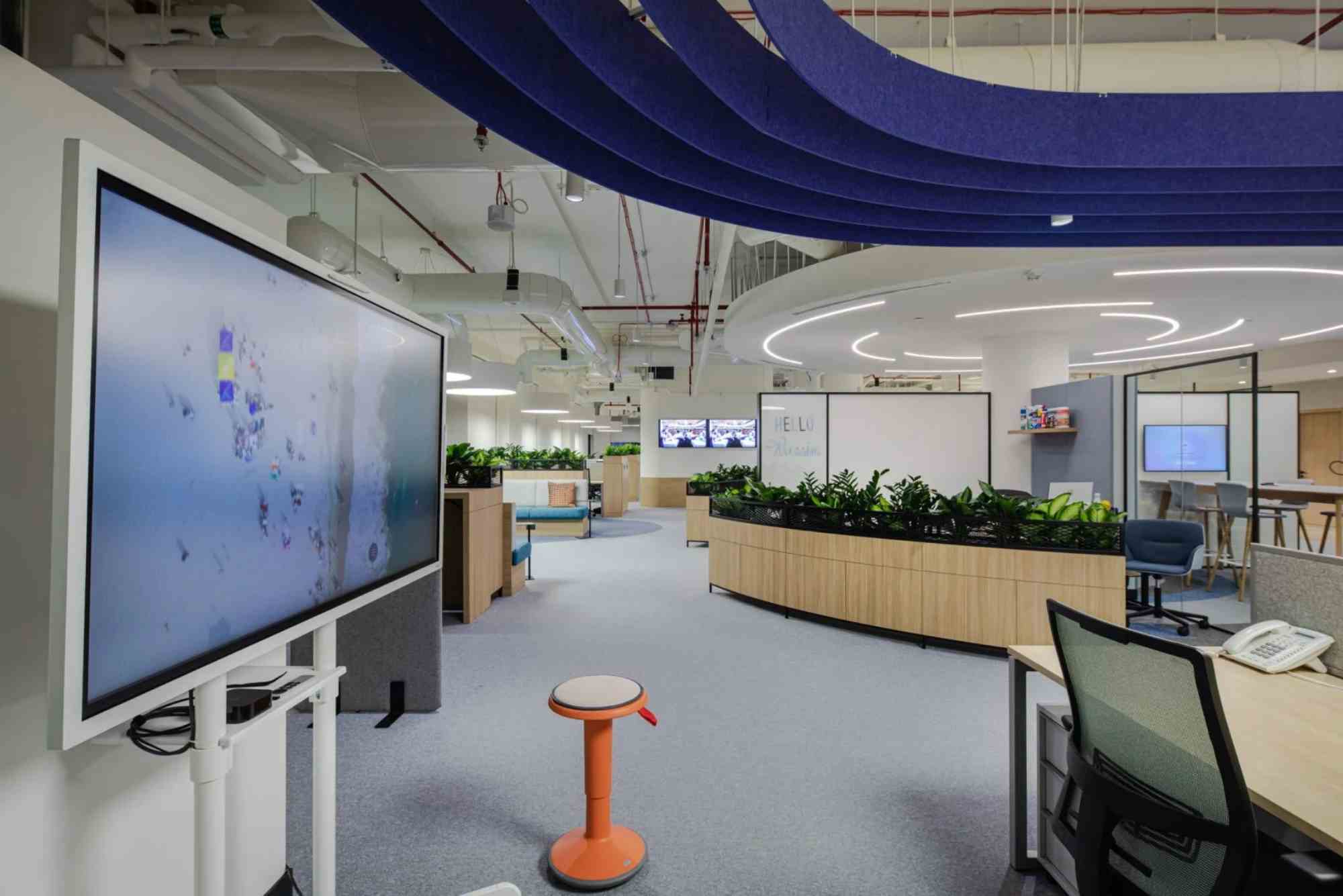
Wellbeing has become a central focus in interior design. People now understand how strongly environments affect mental and physical health. Interior designers use light, colour, texture, and spatial flow to create calmer and healthier spaces. Natural light is maximised where possible. Materials are chosen for comfort as well as durability.
Designers also consider acoustics, air quality, and ergonomics. In homes, this leads to more restful bedrooms and relaxing living areas. In workplaces, it reduces stress and improves productivity. By designing with wellbeing in mind, interior designers help spaces support people rather than drain them.
Making Sustainable Choices That Last
Sustainability is no longer a trend. It is an expectation. Interior designers guide clients towards responsible choices that reduce environmental impact without compromising style. They select durable materials, energy-efficient lighting, and furniture built to last. This approach reduces waste and long-term costs.
Designers also think beyond products. They design spaces that age gracefully and adapt to new needs. A well-planned interior does not need constant renovation. By focusing on longevity rather than short-term fashion, interior designers create sustainable environments that remain relevant and efficient over time.
Adding Value to Residential and Commercial Properties
Good interior design adds measurable value. In residential properties, it increases appeal, comfort, and resale potential. Buyers are drawn to homes that feel cohesive and thoughtfully planned. Interior designers help create this sense of quality and care.
In commercial settings, design directly affects brand perception. Offices reflect company culture. Retail spaces influence purchasing behaviour. Hospitality interiors shape guest experiences. Interior designers align visual identity with business goals. This strategic approach turns spaces into powerful assets rather than passive backgrounds.
Managing Complexity and Reducing Stress
Design projects involve many moving parts. Contractors, suppliers, timelines, budgets, and regulations all need coordination. Interior designers act as central managers who keep projects organised and on track. They communicate with all parties and resolve issues before they escalate.
For clients, this reduces stress significantly. Instead of juggling decisions and logistics, they can trust a professional process. Designers also protect budgets by avoiding costly errors and last-minute changes. Their experience turns complex projects into smoother, more predictable journeys.
Reflecting Identity and Personal Story
Spaces should reflect the people who use them. Interior designers are skilled at translating personal taste and identity into physical form. They listen carefully and interpret preferences in subtle, meaningful ways. The result feels authentic rather than generic.
This personal approach is especially important in a world filled with inspiration from social media. Designers help clients move beyond imitation. They create interiors that feel unique and grounded. By shaping spaces around individual stories, interior designers ensure environments feel lived-in and emotionally connected.
Responding to Rapid Urban and Cultural Change
Cities are evolving quickly. Population growth, mixed-use developments, and changing demographics all influence how spaces are designed. Interior designers stay informed about these shifts and respond with adaptable solutions. They understand how global trends intersect with local culture.
In rapidly developing regions, this insight is invaluable. Designers help clients navigate new building types, regulations, and expectations. Their work ensures interiors feel contemporary while remaining rooted in place. This balance is difficult to achieve without professional expertise.
Why Interior Designers Matter More Than Ever
Today’s spaces are expected to do more with less. They must be flexible, sustainable, technologically integrated, and emotionally supportive. Interior designers bring clarity to this complexity. They combine creativity with technical knowledge and human understanding.
As lifestyles continue to evolve, the role of interior designers will only grow in importance. They do not simply decorate spaces. They shape how people live, work, and connect. In an ever-changing world, their expertise ensures that interiors remain purposeful, adaptable, and truly meaningful.
Discover a world of reliable services and valuable insights at True UAE. From business solutions to local resources, True UAE connects you with trusted information and opportunities across the UAE. Visit the homepage today to explore everything it offers and stay ahead in your personal and professional journey.
Related Reading: Interior Design in Dubai: How the Best Spaces Are Conceived and Built