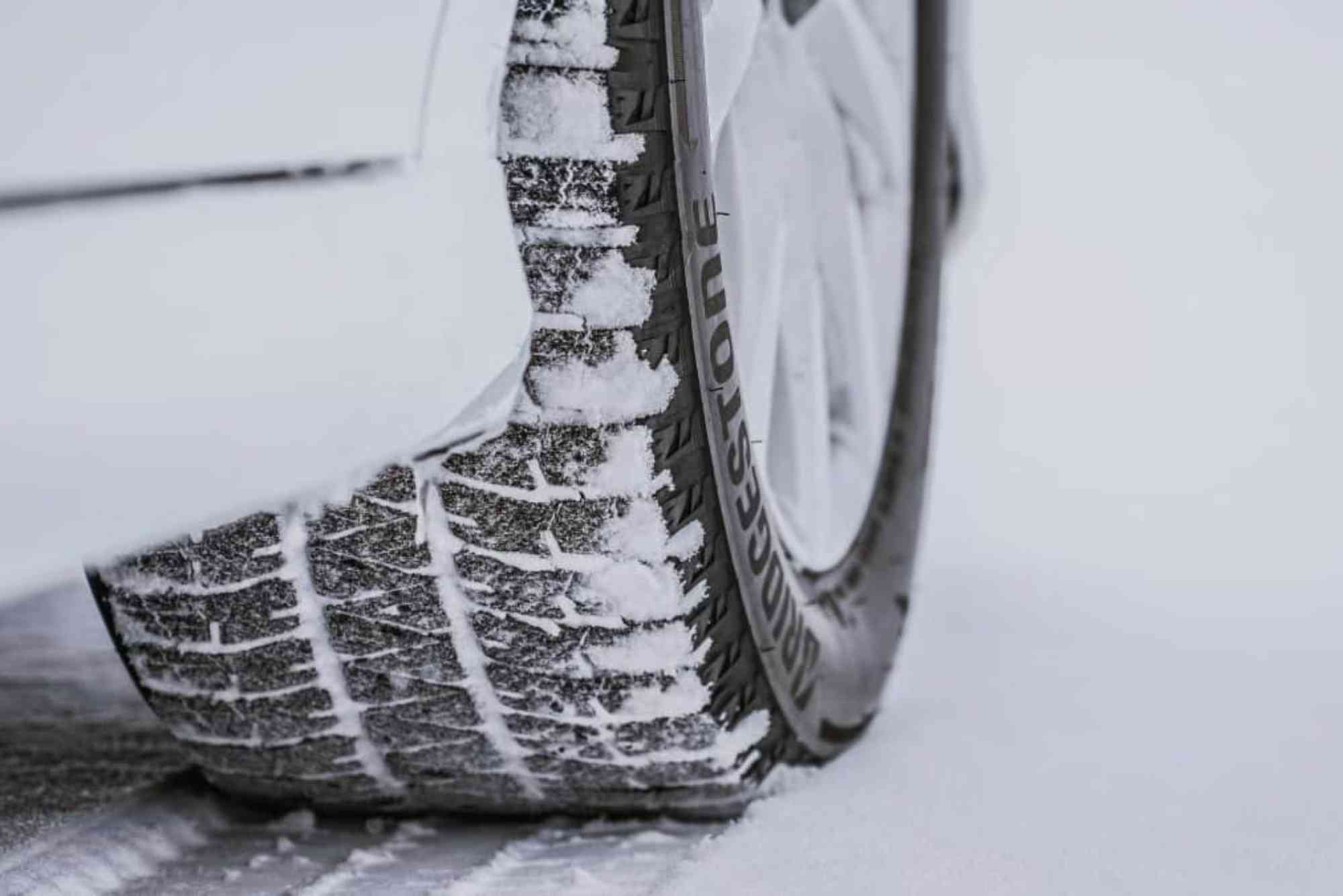
Why Do Tires Go Flat in Cold Weather? The Science Behind It
When winter arrives and temperatures drop, many drivers notice their car’s tire pressure warning light turn on. This can lead to the common question: Why do tires go flat in cold weather? While it may seem like a mysterious seasonal problem, there’s solid science behind it. Cold weather affects air pressure, tire materials, and even the way your vehicle performs. Understanding why this happens can help you stay safe on the road and avoid unnecessary tire damage.
In this guide, we’ll explain exactly why cold weather impacts tire pressure, the science behind it, and the best ways to prevent your tires from going flat when the mercury drops.
The Science Behind Flat Tires in Cold Weather
The main reason tires lose air in winter is temperature-driven changes in air pressure. This is explained by a basic principle in physics: the Ideal Gas Law. Simply put, gases expand when they are warm and contract when they are cold. Since your tires are filled with air, the pressure inside them naturally drops as the temperature falls.
For every 10°F (about 5.5°C) drop in temperature, tire pressure decreases by roughly 1 PSI (pound per square inch). In freezing conditions, this can cause a noticeable drop in pressure, enough to trigger your car’s tire pressure monitoring system (TPMS).
How Cold Temperatures Affect Air Pressure
When air molecules get colder, they move slower and take up less space. This reduction in volume means there is less pressure pushing against the tire walls. Unlike a slow leak from a puncture, this is a natural and predictable process.
For example, if your tire pressure is set to 35 PSI at 70°F, and the temperature drops to 30°F overnight, your tire pressure can fall to around 31 PSI or lower. That’s enough to cause underinflation, making your tires appear flat and reducing performance.

Impact of Cold Weather on Tire Rubber
While the drop in air pressure is the main cause, cold weather also affects the tire material itself. Tire rubber becomes stiffer and less flexible in low temperatures. This makes it more prone to air leaks at the bead (the seal between the tire and wheel) and around the valve stem.
Additionally, any existing small punctures or imperfections may worsen in winter as the cold causes the rubber to contract. This means tires that seemed fine in warmer weather may suddenly start losing air in winter.
Why the Problem Is More Noticeable in the Morning
Many drivers find that their tires look flat or trigger a warning light early in the morning. This happens because overnight temperatures are usually the lowest of the day. As the day warms up, tire pressure may slightly increase, but it’s still a sign that your tires need more air to stay within the recommended range.
The Role of Tire Leaks and Seal Failures
Sometimes, cold weather simply exposes an existing problem. A tire that’s already leaking air due to a small puncture, damaged valve stem, or corroded rim will lose pressure faster in cold conditions. Since the rubber contracts, the leak may temporarily widen, allowing more air to escape.
If your tire continues to go flat even after inflating it, it’s a sign of a slow leak or mechanical issue that needs immediate attention.
Effects of Driving on Underinflated Tires in Cold Weather
Driving on low-pressure tires in winter can be dangerous. Underinflated tires have a larger contact area with the road, which can cause:
- Increased rolling resistance and reduced fuel efficiency
- Higher tire wear, especially on the edges
- Reduced handling and steering response
- Greater risk of blowouts on the highway
In icy or snowy conditions, underinflated tires also lose traction more easily, making it harder to stop or turn safely.
Preventing Flat Tires in Winter
The good news is that preventing your tires from going flat in cold weather is straightforward if you follow a few simple tips.
Check Tire Pressure Frequently
Make it a habit to check your tire pressure at least once a month during winter. Use a quality tire pressure gauge and compare the readings to your vehicle’s recommended PSI, found in your owner’s manual or on a sticker inside the driver’s door.
Inflate Before the Coldest Days
If you know a cold front is coming, top off your tire pressure in advance. This helps maintain the correct PSI even when temperatures drop overnight.
Consider Nitrogen Inflation
Some drivers choose to fill their tires with nitrogen instead of regular air. Nitrogen molecules are less affected by temperature changes and less likely to escape through the tire walls. While not essential, it can help minimize pressure fluctuations.
Inspect for Damage
Before winter arrives, have your tires inspected for punctures, bead leaks, and valve stem issues. Repairing these early can prevent sudden flats in cold weather.
FAQs
Q: Do tires really lose pressure faster in winter?
Yes. Cold temperatures cause air to contract, lowering PSI and making any existing leaks worse.
Q: How much does tire pressure drop in the cold?
On average, about 1 PSI for every 10°F temperature drop.
Q: Can low tire pressure cause a blowout in winter?
Yes. Driving on underinflated tires increases heat buildup and wear, raising the risk of a blowout.
Q: Should I overinflate my tires in winter to prevent flats?
No. Overinflating can cause poor traction and uneven tire wear. Always inflate to the manufacturer’s recommended PSI.
Q: Will my tire pressure go back to normal when it warms up?
Partially. Warmer air will increase tire pressure slightly, but you should still top off air to maintain safe levels.
Understanding Why Do Tires Go Flat In Cold Weather helps you take proactive steps to keep your vehicle safe and efficient during winter. Cold air reduces tire pressure, stiffens rubber, and can worsen existing leaks. By checking your tire pressure regularly, inflating before extreme cold, and repairing leaks promptly, you can avoid the dangers of driving on underinflated tires.