What Is Curriculum in Education and Why It Matters
Curriculum plays a central role in shaping the learning journey of every student. But what is curriculum in education, and why does it hold such importance in schools and academic institutions? Whether you’re a parent, teacher, or student, understanding the concept of curriculum can deepen your appreciation for the educational system and the way knowledge is delivered.
In this article, we’ll explore what curriculum really means, its key components, different types, and why it matters more than ever in today’s rapidly changing world.
What Is Curriculum in Education?
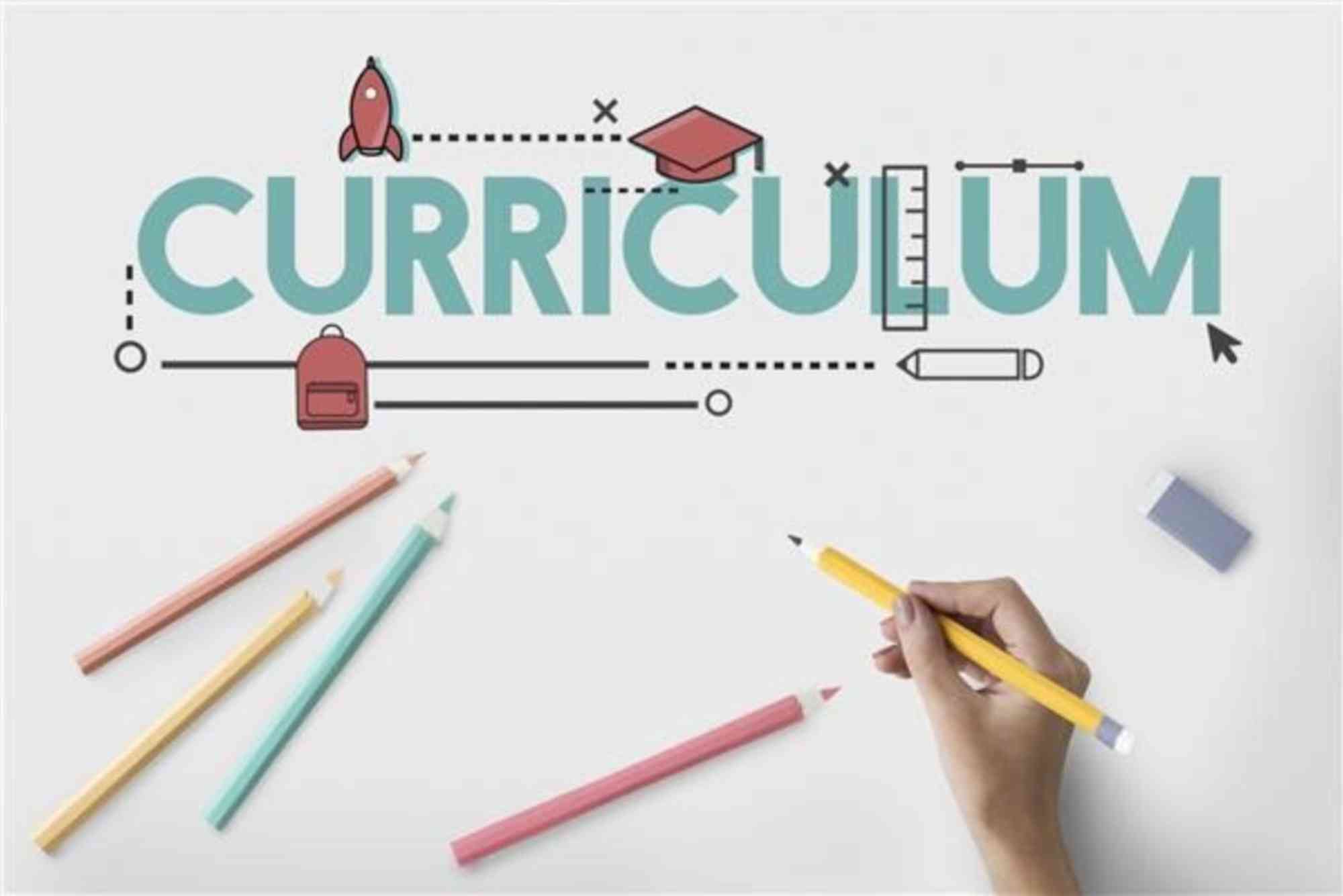
At its core, curriculum in education refers to the organized plan of what students are expected to learn in a particular grade, subject, or academic program. It includes the lessons, assignments, assessments, and learning objectives designed to meet specific educational standards.
Key Elements of a Curriculum
A comprehensive curriculum includes:
- Learning objectives: What students should know or be able to do by the end of the lesson or course.
- Content: The subject matter or skills to be taught.
- Teaching strategies: Methods and tools teachers use to deliver lessons.
- Assessment: Tools used to evaluate student understanding (tests, essays, projects).
- Learning resources: Books, digital tools, and materials that support learning.
Curriculum is not just a list of topics. It’s a structured approach to delivering knowledge and skills over time.
Why Curriculum Matters in Education
Provides Consistency in Learning
A well-designed curriculum ensures that every student receives a consistent education, regardless of the teacher or school. It standardizes what is taught and assessed.

Sets Clear Goals
When students and teachers have a defined roadmap, everyone knows what to expect. This clarity supports better planning and academic achievement.
Encourages Accountability
Curriculum holds educators and institutions accountable. It provides measurable goals that help track student progress and teacher effectiveness.
Supports Student Success
By aligning curriculum with developmental stages and learning needs, schools can better prepare students for higher education, careers, and life.
Promotes Equity
A standardized curriculum can help close learning gaps between students from different socioeconomic backgrounds by ensuring equal access to quality education.
Different Types of Curriculum in Education
Understanding the various types of curriculum can provide deeper insights into how education works globally.
Formal Curriculum
This is the official content taught in schools, guided by national or state standards. It includes textbooks, tests, and academic lessons.
Informal Curriculum
Also known as the hidden curriculum, it includes values, attitudes, and norms students learn through school culture, such as respect, teamwork, or discipline.
Extra-Curricular Curriculum
Activities like sports, debate clubs, or music programs fall under this category. They enrich students’ personal and social development.
Spiral Curriculum
In this model, key concepts are revisited repeatedly over time, with increasing complexity. It helps reinforce and deepen understanding.
Integrated Curriculum
Subjects are blended together to help students make connections across disciplines. For example, a project might combine science, math, and language arts.
Components of a High-Quality Curriculum
A good curriculum doesn’t just cover content—it’s structured for maximum engagement and effectiveness. Here’s what makes it strong:
Relevance to Real Life
Students should see how lessons apply to real-world scenarios, helping them understand the value of what they’re learning.
Student-Centered Learning
Modern curricula focus on students’ needs, interests, and learning styles to create personalized learning experiences.
Flexibility
A quality curriculum is adaptable to local contexts, diverse classrooms, and evolving educational trends.
Assessment Integration
Assessment should be built into the curriculum, not just added at the end. This promotes continuous improvement and real-time feedback.
Who Designs the Curriculum?
Curriculum development is a collaborative effort. Depending on the country or institution, it may involve:
- Educational boards and ministries (e.g., Ministry of Education UAE)
- Curriculum specialists
- Subject matter experts
- Teachers
- Community and industry partners
Each stakeholder brings a unique perspective, ensuring the curriculum is robust, relevant, and responsive to student needs.
Curriculum and Educational Standards
Most curricula align with national or international educational standards. These standards act as benchmarks to ensure students are gaining the skills and knowledge expected at each grade level.
For instance, the Common Core Standards in the U.S. or the National Curriculum Framework (NCF) in India guide curriculum design and implementation.
Curriculum in the Digital Age
Technology has transformed how curricula are developed and delivered.
Digital Curriculum
Many schools now use digital platforms that include multimedia lessons, virtual labs, and interactive assessments.
Blended Learning
Combining in-person teaching with online resources creates a more flexible and engaging learning environment.
Personalized Learning
With the help of AI and analytics, curricula can now adapt in real-time to meet individual student needs and pace.
The Role of Curriculum in Teacher Planning
For teachers, the curriculum acts as a blueprint. It helps them:
- Structure lesson plans
- Align teaching methods with learning outcomes
- Assess student performance effectively
- Identify gaps and areas for reinforcement
Teachers with access to a well-organized curriculum are better prepared and more confident in delivering quality instruction.
Challenges in Curriculum Development
Despite its importance, designing an effective curriculum comes with challenges.
Cultural Relevance
What works in one cultural or regional context may not suit another.
Balancing Breadth and Depth
Too much content can overwhelm; too little can leave gaps. Striking a balance is key.
Keeping Pace with Change
Education must evolve with society, technology, and the job market. Curricula need regular updates to stay relevant.
Why Curriculum Matters for the Future
As we prepare students for jobs that don’t yet exist, curriculum must focus on more than memorization. Skills like critical thinking, collaboration, creativity, and digital literacy must be central.
Curriculum is no longer just about knowledge—it’s about preparing learners for life in a complex, globalized world.
FAQs About Curriculum in Education
What is curriculum in education simple definition?
It’s the complete set of courses, lessons, and content taught in schools, including goals, methods, and assessments.
What is the main purpose of a curriculum?
The main purpose is to guide learning by clearly defining what students should learn, how it’s taught, and how it’s assessed.
How is curriculum different from syllabus?
A syllabus is a detailed outline for one course. A curriculum covers multiple courses, including the overall structure, goals, and standards.
Who is responsible for designing the curriculum?
Typically, curriculum is designed by education ministries, curriculum developers, and subject experts in collaboration with teachers.
How does curriculum impact student performance?
A well-structured curriculum provides clear expectations and supports effective teaching, which directly improves learning outcomes.
Curriculum Is the Backbone of Education
Understanding what is curriculum in education is more than academic—it’s essential for building effective, inclusive, and future-ready learning environments. A strong curriculum shapes not just what students learn, but how they think, solve problems, and grow into capable individuals.
Whether you’re a teacher aiming to improve your lessons or a parent wanting the best for your child, knowing how curriculum works can help you make informed decisions.
Are you ready to explore how curriculum impacts your school or classroom? Dive deeper into modern curriculum strategies or connect with education experts to enhance learning outcomes today.