
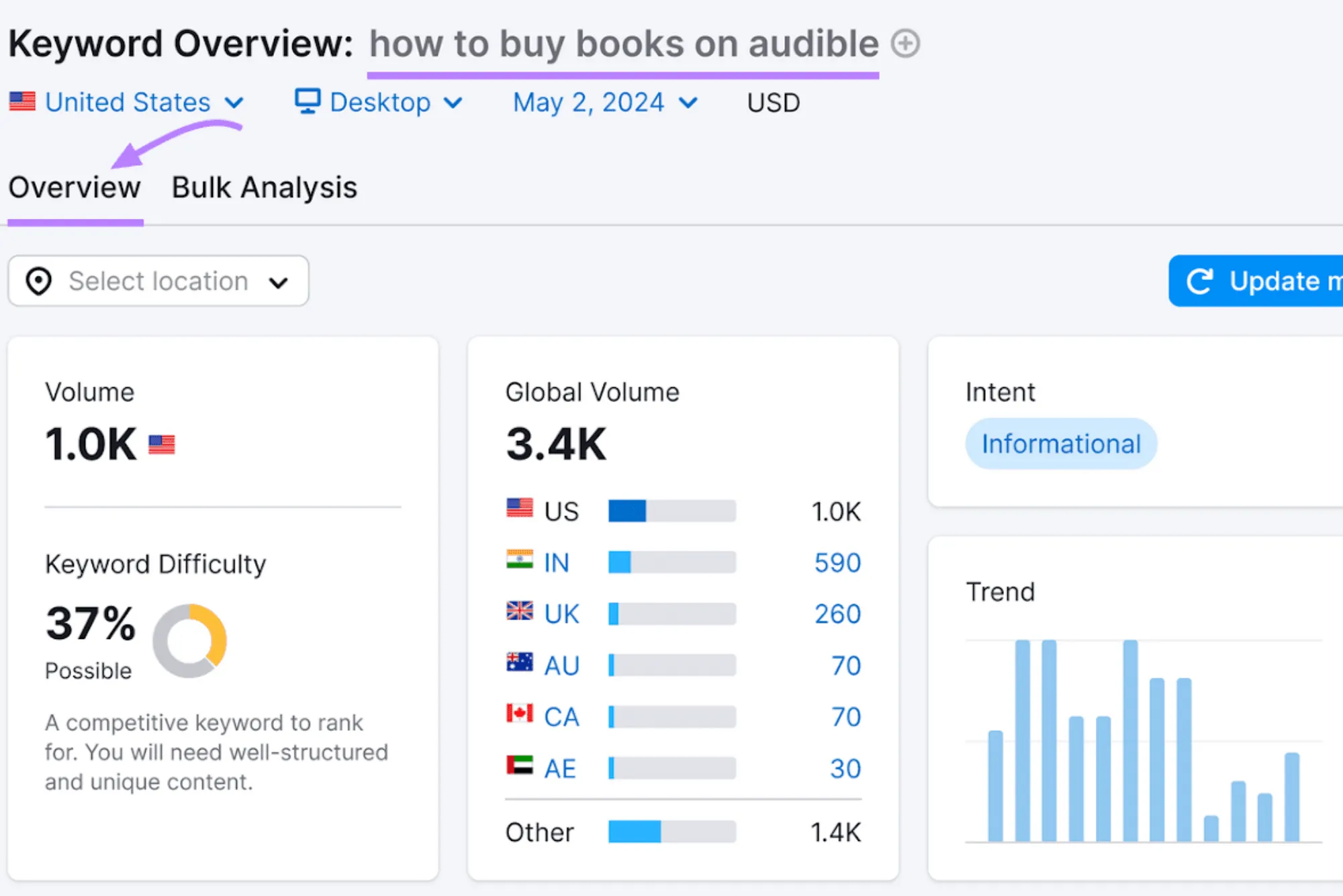
Affiliate marketing has become far more competitive in 2026, especially as search engines continue rewarding content quality, user experience, and topical authority. Simple keyword stuffing and low-value product pages no longer work the way they once did. Affiliate marketers now need smarter strategies backed by reliable SEO tools that help uncover opportunities, improve rankings, and increase conversions.
The challenge for many affiliate website owners is choosing tools that actually improve performance instead of creating unnecessary complexity. Some platforms focus heavily on automation, while others prioritize analytics, content optimization, or competitor tracking. Understanding which features matter most can save time, reduce costs, and improve long-term SEO growth.
Modern seo tools are designed to support affiliate marketers in areas such as keyword discovery, backlink monitoring, technical audits, AI-assisted optimization, and search intent analysis. Choosing the right combination depends on the size of the website, the niche, and the type of affiliate content being produced.
Why SEO Matters More for Affiliate Marketing in 2026
Organic search traffic remains one of the most profitable traffic sources for affiliate websites. Unlike paid advertising, SEO traffic continues generating clicks and conversions long after the content is published. Search engines are also becoming better at identifying genuinely useful content, which means affiliate marketers must focus more on expertise, topical relevance, and user satisfaction.
Successful affiliate websites today are built around content ecosystems instead of isolated product pages. Product reviews, comparison guides, tutorials, and informational articles all work together to create authority. This is why modern SEO tools are no longer limited to keyword research alone.
Industry blogs that cover evolving digital business trends, such as insights shared within the business category, often highlight how SEO has become deeply connected with branding, trust, and audience engagement rather than simple rankings.

What SEO Tools Actually Do for Affiliate Marketers
SEO tools help affiliate marketers make informed decisions instead of relying on assumptions. They provide data about what users search for, which pages are ranking, how competitors attract traffic, and what technical issues may hurt visibility.
At a practical level, SEO software helps affiliate marketers:
- Find profitable low-competition keywords
- Track search rankings
- Analyze competitor strategies
- Improve on-page optimization
- Monitor backlinks and authority
- Identify content gaps
- Improve technical website health
- Measure organic traffic growth
The most effective affiliate marketers use SEO tools not just for rankings, but for understanding user intent and building content that genuinely answers questions.
Most Important SEO Tool Features in 2026
Advanced Keyword Research
Keyword research remains the foundation of affiliate SEO, but the approach has evolved significantly. Search intent now matters more than raw search volume. Modern tools analyze whether users are looking to buy, compare, research, or simply learn.
For affiliate marketers, long-tail keywords often deliver the best conversion opportunities because they target highly specific user needs. A keyword like “best budget gaming laptop for students” is far more valuable than a broad term like “gaming laptop.”
Modern keyword tools now include:
- Search intent classification
- SERP difficulty analysis
- AI-driven keyword clustering
- Question-based keyword suggestions
- Competitor keyword overlap analysis
These features help affiliate marketers create content strategies based on actual demand instead of guesswork.
AI-Assisted Content Optimization
AI integration has become one of the defining features of SEO platforms in 2026. However, the best tools do not replace human writing. Instead, they help improve structure, topical depth, semantic relevance, and readability.
Modern optimization tools analyze high-ranking pages and recommend content improvements such as:
- Missing subtopics
- Relevant semantic phrases
- Content readability improvements
- Heading structure optimization
- Internal linking opportunities
Affiliate marketers who consistently optimize existing content often outperform websites that only publish new articles.
Rank Tracking Across Devices and Locations
Search rankings can vary based on location, device type, and search personalization. Modern rank tracking tools help affiliate marketers monitor keyword performance more accurately across different search environments.
For example, travel-focused affiliate websites may see different search visibility depending on country or city targeting. Similar patterns can also be seen in localized information platforms discussing topics like travel-related content, where regional relevance strongly affects search performance.
Important rank tracking features now include:
| Feature | Why It Matters |
|---|---|
| Mobile Rank Tracking | Most affiliate traffic now comes from mobile users |
| Location-Based Tracking | Helps monitor rankings in specific regions |
| SERP Feature Monitoring | Tracks snippets, FAQs, and shopping results |
| Competitor Tracking | Shows how competing sites gain visibility |
| Historical Data | Measures SEO progress over time |
Technical SEO Features That Matter Most
Technical SEO used to feel overwhelming for smaller affiliate marketers, but modern tools now simplify the process with automated reporting and guided recommendations.
Key technical features affiliate marketers should prioritize include:
Site Speed Analysis
Page speed directly affects user experience and conversions. Slow-loading affiliate pages often lose visitors before the content even appears.
Core Web Vitals Monitoring
Google continues emphasizing user experience signals, making Core Web Vitals an important ranking factor.
Broken Link Detection
Affiliate sites frequently contain expired offers or outdated product links. SEO tools help identify broken internal and external links before they negatively affect rankings.
Indexing and Crawl Monitoring
Search engines cannot rank pages properly if they struggle to crawl or index them. SEO tools now provide clear indexing reports that simplify troubleshooting.
Backlink Analysis and Authority Building
Backlinks remain a critical ranking factor in competitive affiliate niches. However, quality matters far more than quantity. Modern SEO tools help affiliate marketers identify trustworthy backlink opportunities and avoid harmful links.
Useful backlink features include:
- Authority score analysis
- Toxic backlink detection
- Competitor backlink tracking
- Anchor text distribution reports
- Link growth monitoring
Many affiliate marketers now combine SEO tools with content partnerships and digital PR strategies to earn stronger editorial backlinks naturally.
Competitor Analysis Features
One of the biggest advantages of SEO tools is the ability to learn from competitors already ranking successfully.
Competitor analysis tools help affiliate marketers discover:
- Which pages generate the most traffic
- High-performing keywords
- Backlink sources
- Content structure patterns
- Search intent strategies
Understanding competitor strengths does not mean copying them. Instead, it helps identify gaps where better, deeper, or more updated content can outperform existing results.
Content Planning Features Affiliate Marketers Need
Affiliate websites grow faster when content is planned strategically instead of randomly. Modern SEO platforms now include editorial planning features that support topical authority building.
Helpful planning features include:
| Content Feature | Benefit for Affiliate SEO |
|---|---|
| Topic Clustering | Builds authority around niche categories |
| Content Gap Analysis | Finds missing opportunities competitors target |
| Seasonal Trend Tracking | Helps publish timely affiliate content |
| SERP Intent Analysis | Improves content alignment with search behavior |
| Internal Linking Suggestions | Strengthens site structure and navigation |
Large affiliate websites increasingly rely on topical authority rather than isolated keyword targeting. This shift makes structured content planning far more important.
Should Affiliate Marketers Use Free or Paid SEO Tools?
Free SEO tools are often enough for beginners learning affiliate marketing fundamentals. However, competitive niches usually require deeper insights and automation that paid tools provide.
Free tools generally work well for:
- Basic keyword research
- Simple rank monitoring
- Technical SEO checks
- Learning SEO principles
Paid tools become more valuable when affiliate marketers need:
- Large-scale keyword analysis
- Competitor monitoring
- Backlink analysis
- Content optimization
- Team collaboration features
Many affiliate marketers start with free tools and gradually upgrade as their websites generate revenue.
Common Mistakes Affiliate Marketers Make with SEO Tools
Owning expensive SEO software does not guarantee rankings. Many affiliate marketers misuse tools or focus too heavily on metrics instead of content quality.
Common mistakes include:
- Targeting keywords purely by volume
- Ignoring search intent
- Over-optimizing anchor text
- Publishing thin affiliate pages
- Neglecting technical SEO issues
- Focusing only on rankings instead of conversions
Strong affiliate SEO strategies balance optimization with genuine usefulness.
How Search Intent Shapes SEO Tool Usage
Search intent has become one of the most important ranking signals in modern SEO. Tools now categorize keywords based on user behavior and expected outcomes.
The four main search intent categories include:
- Informational intent
- Commercial investigation intent
- Transactional intent
- Navigational intent
Affiliate marketers mainly focus on commercial investigation keywords because users are actively comparing products or researching buying decisions.
For example, searches such as “best wireless earbuds under $100” indicate strong buying intent compared to purely informational searches.
The Role of User Experience in Affiliate SEO
Search engines increasingly reward websites that deliver smooth user experiences. This includes fast loading speeds, clear navigation, readable formatting, and trustworthy content presentation.
SEO tools now measure user engagement signals such as bounce rates, scroll depth, and session duration to help affiliate marketers improve overall performance.
Even broader online content ecosystems, including platforms that publish informational resources like the general blog section, benefit from strong UX signals because users engage more deeply with organized and helpful content.
Frequently Asked Questions
What are SEO tools for affiliate marketers?
SEO tools help affiliate marketers improve search rankings, analyze competitors, find keywords, optimize content, and monitor website performance.
Which SEO feature matters most for affiliate marketing?
Keyword research and search intent analysis are usually the most important features because they directly influence traffic quality and conversions.
Are free SEO tools enough for affiliate websites?
Free tools are sufficient for beginners, but competitive affiliate niches often benefit from advanced paid features like backlink analysis and AI optimization.
How often should affiliate marketers use SEO tools?
Most affiliate marketers review rankings, content performance, and technical issues weekly while conducting deeper audits monthly.
Do SEO tools guarantee rankings?
No. SEO tools provide data and recommendations, but rankings depend on content quality, authority, user experience, and competition.
Conclusion
SEO tools for affiliate marketers in 2026 are no longer optional. They have become essential for understanding search behavior, improving content quality, tracking rankings, and building long-term organic traffic.
The most valuable features today focus on search intent analysis, AI-assisted optimization, technical SEO monitoring, competitor insights, and content planning. Affiliate marketers who use these tools strategically can create stronger content ecosystems and compete more effectively in increasingly crowded search results.
Successful affiliate SEO is ultimately about creating genuinely useful content supported by smart data-driven decisions rather than relying solely on automation or shortcuts.
Related Reading: Best SEO Reporting Tools for Affiliate Marketers reporting rankings and visibility with less manual work in 2026
Related Reading: Best AI SEO Tools for Affiliate Marketers that improve SEO tracking and workflow automation in 2026 — full guide