
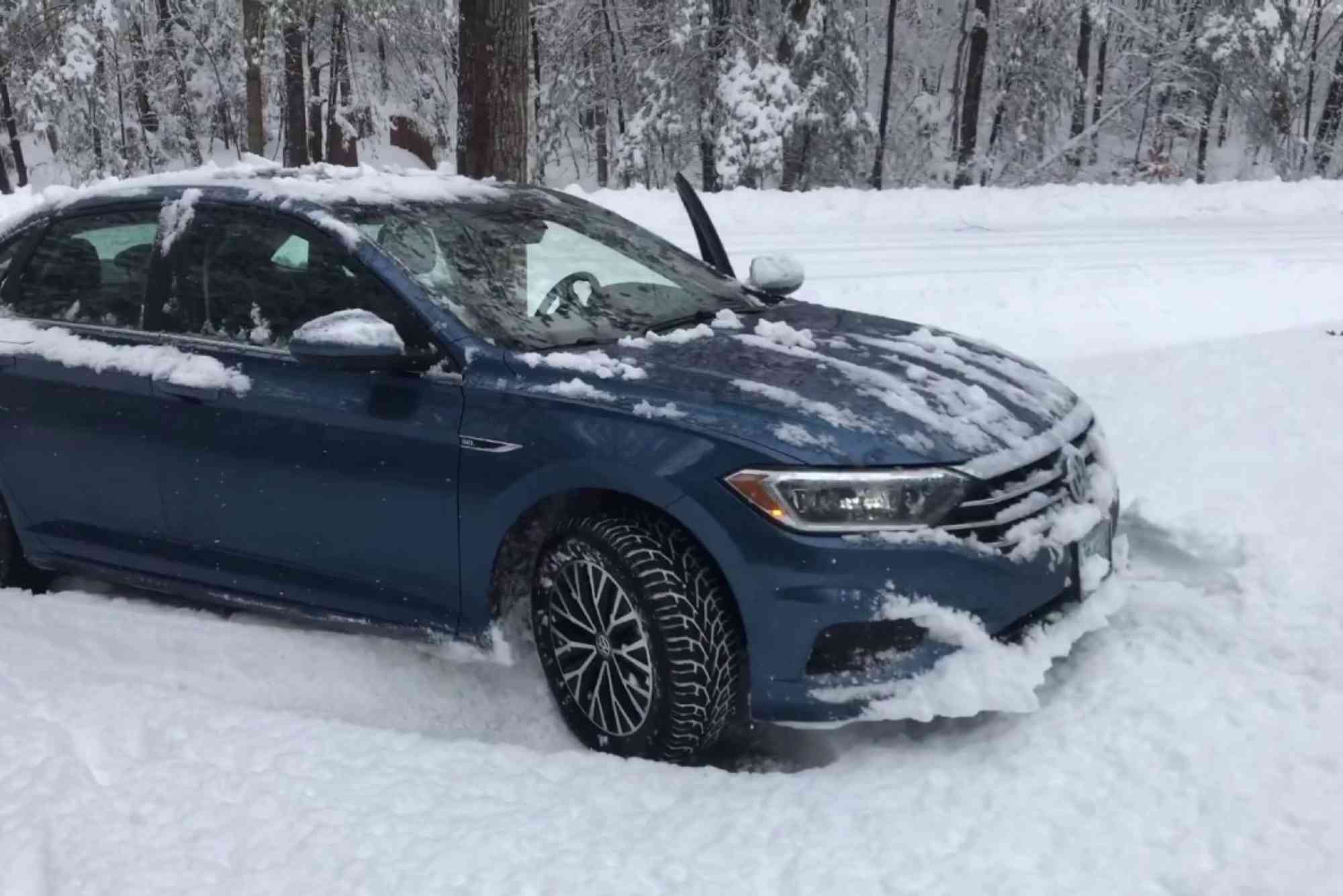
Volkswagen Snow Tires: Best Options for Winter Driving
Driving your Volkswagen in winter requires more than just cautious driving—it requires the right tires. Snow and ice can drastically reduce traction, making winter roads challenging. That’s where Volkswagen snow tires come in. These tires are designed to give you better grip, shorter braking distances, and improved handling in cold conditions. Whether you own a Volkswagen Golf, Jetta, Tiguan, or Passat, the right snow tires can make all the difference in safety and performance.
In this guide, we’ll explore the top snow tire options for Volkswagens, explain what makes them effective, and offer expert advice for winter driving.
Why Snow Tires Matter for Your Volkswagen
Volkswagen vehicles are known for their reliability and handling. However, in icy and snowy conditions, even the best car can lose traction if it’s equipped with the wrong tires. Snow tires are engineered with softer rubber compounds that stay flexible in freezing temperatures. They also feature deeper treads and unique patterns that channel snow, slush, and water away from the tire’s surface, helping maintain grip.
Unlike all-season tires, which are designed for year-round use, snow tires focus entirely on winter performance. This specialized design helps reduce skidding, improve cornering, and enhance stopping power in snow-covered or icy roads.
Best Volkswagen Snow Tire Options for Winter
When choosing the best Volkswagen snow tires, it’s important to consider your driving style, the severity of your local winter, and your specific VW model. Here are some top recommendations trusted by experts and Volkswagen drivers.
Michelin X-Ice Snow
Michelin’s X-Ice Snow is a premium winter tire that excels in ice traction and longevity. Its tread design uses directional grooves and micro-pumps that improve water evacuation and grip on slippery roads. Drivers of the Volkswagen Passat and Jetta find it particularly responsive, even during sharp turns on icy streets.
Bridgestone Blizzak WS90
Bridgestone’s Blizzak WS90 is a top choice for Volkswagen owners in heavy-snow regions. It offers an advanced tread compound that improves traction on both snow and wet pavement. This tire performs exceptionally well on the Volkswagen Tiguan, providing confidence in deep snow and during sudden braking situations.
Continental VikingContact 7
The VikingContact 7 combines excellent grip with comfort, making it ideal for VW drivers who value a quiet, smooth ride even in winter. It works particularly well for models like the Volkswagen Golf GTI, delivering reliable control without sacrificing handling precision.
Nokian Hakkapeliitta R5
A favorite in Scandinavian countries, the Nokian Hakkapeliitta R5 offers extreme winter performance. It features aggressive tread blocks and a soft compound optimized for extreme cold. Volkswagen drivers who face frequent ice storms or deep snow will appreciate its superior stability.
Pirelli Winter Sottozero 3
Designed for performance-oriented vehicles, the Winter Sottozero 3 suits Volkswagen sedans and hatchbacks. Its high-speed stability makes it perfect for drivers who want winter safety without giving up sporty handling.
How to Choose the Right Volkswagen Snow Tires
Selecting the right snow tires involves more than picking a well-known brand. You need to match your tire choice to your driving habits and environment.
Consider Your Local Winter Conditions
If you live in a region with heavy snowfall and frequent ice, go for tires with deep tread patterns and softer compounds. Drivers in milder winter areas might prefer performance-oriented snow tires with less aggressive treads.
Match Tires to Your Volkswagen Model
Each Volkswagen model has unique handling characteristics. The Golf and Jetta perform best with responsive, performance-based winter tires, while the Tiguan and Atlas may require larger, more rugged snow tires for SUV-level traction.
Pay Attention to Tire Size and Load Rating
Always match the recommended tire size and load rating from your Volkswagen owner’s manual. Using the wrong size can impact handling and fuel efficiency.
Look for the Three-Peak Mountain Snowflake Symbol
This symbol indicates the tire meets official snow traction standards. It’s essential for ensuring your Volkswagen snow tires are truly winter-ready.
Winter Driving Tips for Volkswagen Owners
Even with the best snow tires, safe winter driving requires a few extra precautions.
Reduce Speed in Snow and Ice
Volkswagen’s stability control helps in slippery conditions, but physics still applies. Slower speeds give you more time to react.
Keep a Safe Following Distance
Stopping distances increase significantly in winter. Snow tires help, but maintaining extra space from the car ahead is critical.
Check Tire Pressure Regularly
Cold weather reduces tire pressure. Underinflated snow tires lose grip, so check pressure at least once a month.
Rotate Tires for Even Wear
Rotating your Volkswagen snow tires every 5,000–7,000 miles ensures they wear evenly and last longer.
Store Tires Properly in the Off-Season
When winter ends, clean and store your snow tires in a cool, dry place. Proper storage extends their lifespan.
Cost of Volkswagen Snow Tires
The price of Volkswagen snow tires varies based on size, brand, and performance level. On average, expect to pay between $120 and $250 per tire. Premium options may cost more but often provide better traction and durability. Keep in mind that quality snow tires are an investment in your safety during winter driving.
FAQs
Do Volkswagens need snow tires in winter?
Yes. Snow tires provide significantly better traction and handling in cold conditions compared to all-season tires, especially in snow and ice.
Can I use snow tires year-round on my Volkswagen?
It’s not recommended. Snow tires wear faster in warm weather and offer less handling precision on dry roads.
How long do Volkswagen snow tires last?
With proper care, they typically last 3–5 winter seasons, depending on driving conditions and mileage.
Should I get studded snow tires for my Volkswagen?
Studded tires provide extra grip on ice but are often noisy and may be restricted in some areas. Consider them if you face extreme ice conditions regularly.
What’s the difference between snow tires and all-weather tires for a Volkswagen?
Snow tires are optimized for winter and offer the best traction in snow and ice. All-weather tires are a compromise for year-round use but don’t match snow tires in extreme winter conditions.
When winter arrives, your Volkswagen’s performance depends heavily on the tires you choose. Volkswagen snow tires are engineered to keep you safe and in control, even in the harshest conditions. Whether you drive a sporty Golf or a family-friendly Tiguan, the right snow tires can transform your winter driving experience.