Solar Home Plans: How to Go Green with Your Home Design
As climate change continues to impact the planet, more homeowners are turning to sustainable living solutions. Among the most popular and practical ways to live sustainably is by embracing solar home plans. These plans integrate solar energy systems directly into home design, making it easier for individuals and families to enjoy renewable energy, reduce carbon footprints, and save money on utility bills. Whether you’re building a new house or remodeling an existing one, solar home plans offer a future-focused approach to eco-friendly living.
Understanding Solar Home Plans
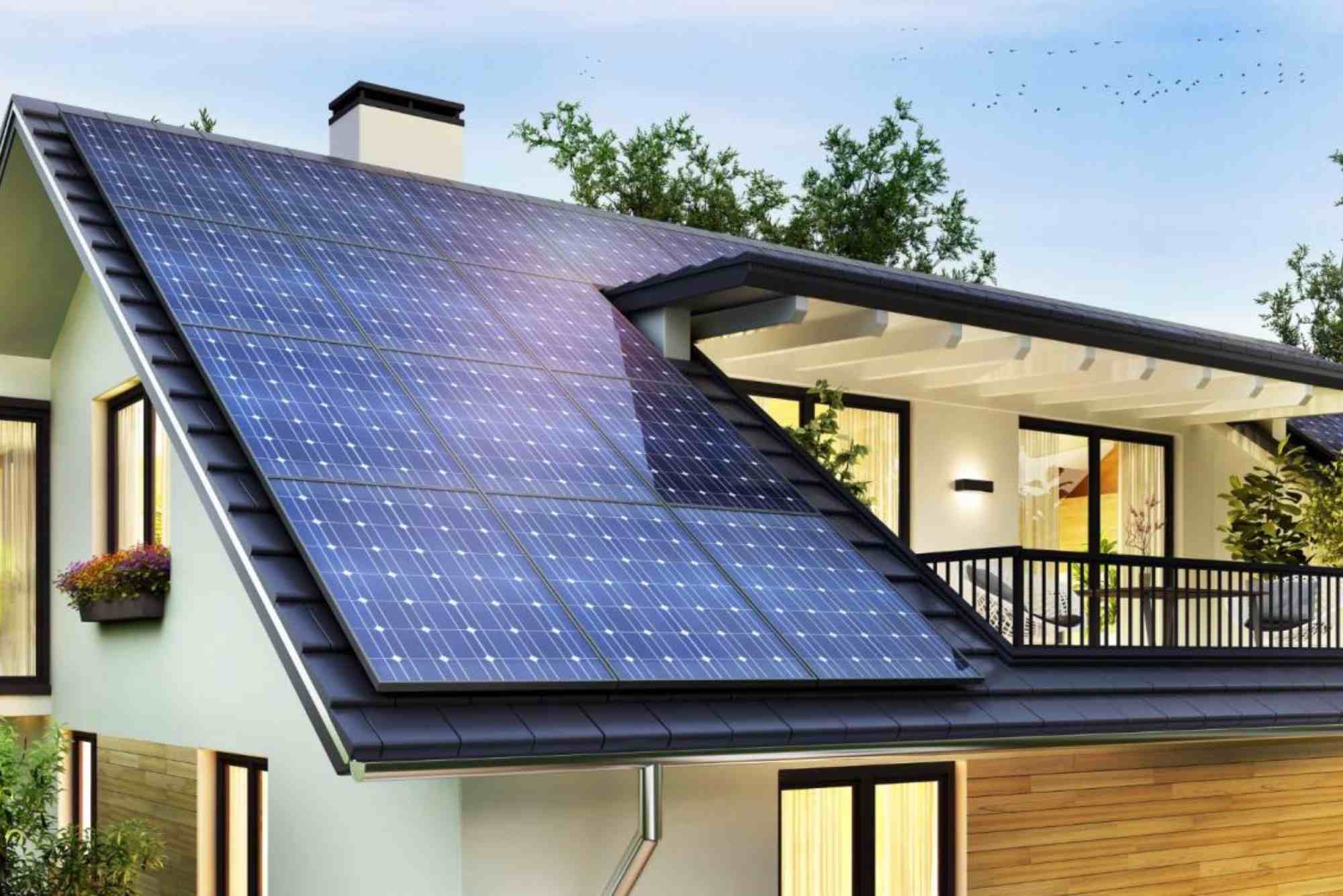
Solar home plans are architectural designs that include solar energy systems as part of the structure. Instead of treating solar panels as add-ons, these plans integrate them from the very beginning. The layout, roof angle, and orientation are all designed to maximize sunlight capture, ensuring optimal energy production. A solar home plan may also include features like energy-efficient insulation, smart windows, and passive solar heating — all aimed at minimizing energy waste.
By incorporating solar technology early in the design process, homeowners can achieve higher efficiency and lower construction costs compared to retrofitting later. Moreover, modern architectural software allows designers to model sunlight exposure throughout the year, ensuring every square foot of the home contributes to energy efficiency.
Why Choose Solar Home Plans
There are countless reasons why solar home plans have become a preferred choice for eco-conscious homeowners. They combine environmental benefits with financial savings and long-term sustainability.
Reduced Energy Bills
One of the biggest advantages is the drastic reduction in electricity costs. Solar energy allows you to generate your own power, which can cover most or even all of your household’s needs. Over time, the savings offset the initial installation cost.
Environmental Sustainability
By choosing solar home plans, you actively reduce greenhouse gas emissions. Every kilowatt-hour generated through solar power replaces energy that might have come from fossil fuels. This means your home plays a part in reducing global pollution and promoting cleaner air.
Increased Property Value
Studies show that homes with built-in solar systems tend to sell faster and at higher prices than traditional homes. Buyers recognize the long-term value and sustainability that solar energy brings, making your investment even more rewarding.
Energy Independence
Relying less on the grid means greater freedom from fluctuating energy prices and power outages. Solar homes, especially those equipped with battery storage systems, can operate independently during emergencies or nighttime hours.
Key Elements of Solar Home Design
A successful solar home design requires attention to multiple architectural and environmental factors. Each plays a role in ensuring efficiency and maximizing solar gains.
Orientation and Roof Design
The orientation of the home is crucial. Ideally, solar panels should face south (in the Northern Hemisphere) to capture the maximum amount of sunlight throughout the day. Roof design should include a slope between 30 to 45 degrees for optimal energy absorption.
Passive Solar Heating
Passive solar heating refers to the design strategy of using sunlight directly to heat the home. By placing large, energy-efficient windows on the south-facing side, your home can absorb natural warmth during winter while minimizing heat gain in summer through proper shading.
Energy-Efficient Insulation
A well-insulated home retains warmth in winter and keeps cool in summer, reducing the demand for artificial heating or cooling. Solar home plans often use eco-friendly insulation materials such as cellulose or recycled denim.
Smart Windows and Ventilation
Modern solar homes feature double or triple-glazed windows that prevent heat loss while letting in light. Smart ventilation systems, like heat recovery ventilators (HRVs), ensure clean indoor air while conserving energy.
Solar Battery Storage
Battery systems, such as lithium-ion batteries, allow excess energy produced during the day to be stored for later use. This means your home can remain powered at night or during cloudy days without relying on the grid.
Water Heating and Energy Management
Solar water heating systems are a key component of solar home plans. They use solar collectors to heat water for showers, washing, and other uses. Coupled with smart energy management systems, homeowners can monitor usage in real-time and make adjustments to improve efficiency.
Steps to Designing Your Solar Home
Building a solar-powered home requires careful planning and collaboration with experienced professionals.
Site Analysis
Before starting the design, a thorough site analysis is essential. Factors such as location, shading from trees or buildings, and the direction of sunlight are evaluated to optimize solar energy potential.
Choosing the Right Solar System
There are two main types of systems — grid-tied and off-grid. A grid-tied system allows you to remain connected to the local utility grid, exporting excess power and earning credits. An off-grid system, on the other hand, operates completely independently, ideal for remote areas.
Designing for Efficiency
Work with an architect familiar with solar home plans. Focus on minimizing unnecessary energy consumption through compact design, high-efficiency lighting, and the use of renewable materials.
Integrating Smart Technology
Smart thermostats, automated blinds, and energy-monitoring apps make it easy to control your home’s energy flow. These features enhance comfort while reducing waste.
Installation and Maintenance
Once the design and permits are complete, installation begins. Routine maintenance, such as cleaning panels and checking inverters, ensures long-term performance. Solar panels typically last 25–30 years with minimal maintenance.
The Financial Side of Solar Home Plans
While the initial investment in solar home plans can seem high, the long-term returns are substantial. Most homeowners see a payback period within 5–10 years, after which the energy savings are pure profit. In many regions, government incentives, rebates, and tax credits further reduce upfront costs. Additionally, some utility companies offer net metering programs that compensate homeowners for excess energy sent back to the grid.
Solar homes also require fewer repairs and replacements over time, thanks to the durability of solar components. Combined with reduced utility bills, this results in thousands of dollars in savings over the system’s lifetime.
Common Myths About Solar Homes
Despite their growing popularity, solar home plans are often misunderstood. Let’s clear up some common myths.
Myth 1: Solar homes only work in sunny climates
While more sunlight increases efficiency, solar panels can generate power even on cloudy days. Modern systems are highly adaptable to various climates.
Myth 2: Solar homes are too expensive
The cost of solar technology has dropped dramatically over the past decade, making it more affordable than ever. Combined with incentives, it’s a smart investment.
Myth 3: Maintenance is complicated
Solar panels require minimal upkeep. Regular cleaning and periodic inspections are usually enough to keep them running efficiently.
Future Trends in Solar Home Design
The future of solar home plans looks promising, with innovative technologies pushing boundaries every year. Emerging trends include building-integrated photovoltaics (BIPV), where solar panels are embedded into roofing materials, and transparent solar glass used in windows. Additionally, advancements in battery storage are making full energy independence a realistic goal.
Sustainable construction materials, 3D printing, and modular building designs are also being integrated with solar technology, making eco-friendly homes faster and more cost-effective to build.
Build a Sustainable Future with Solar Home Plans
Solar home plans represent the future of eco-friendly living. They combine innovative architecture, renewable technology, and financial efficiency in one sustainable package. By investing in a solar-powered design, you’re not just building a home—you’re creating a legacy of environmental responsibility and energy independence.
FAQs
What is included in a solar home plan?
A solar home plan typically includes solar panel placement, roof angle optimization, energy-efficient materials, and passive solar heating features designed to maximize energy generation.
How much do solar home plans cost?
The cost varies depending on size, design, and solar capacity. On average, solar systems range from $15,000 to $30,000 before incentives, but costs are offset by long-term savings.
Can I add solar panels to an existing home?
Yes, you can retrofit solar panels onto most homes, though designing from scratch is more efficient. Proper orientation and roof strength are essential for best results.
Do solar homes work during power outages?
Homes with battery storage can function during outages. Grid-tied systems without batteries, however, usually shut down for safety reasons until power is restored.
How long do solar panels last?
Most solar panels last between 25 and 30 years, maintaining over 80% of their original efficiency at the end of their lifespan.