
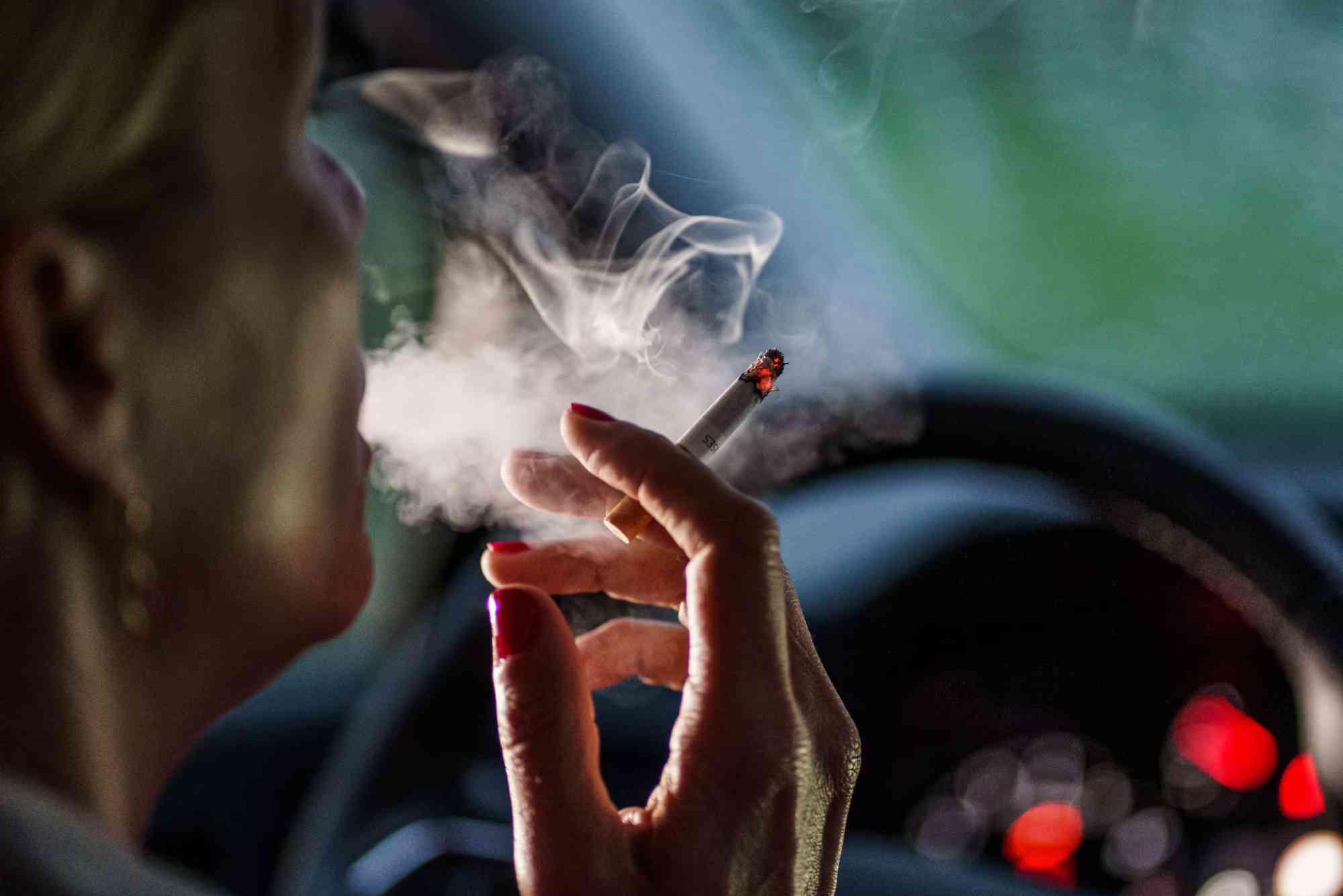
Despite decades of public awareness campaigns, smoking is hazardous to your health—now just as much as ever. From lung cancer to heart disease, the risks remain real and life-threatening. While smoking rates may be declining in some regions, millions still suffer from the consequences of tobacco use.
In this article, we’ll explore why smoking remains a major public health concern, even in 2025. We’ll examine both old and emerging evidence on its dangers, address persistent myths, and empower you with knowledge to make informed choices.
The Persistent Dangers of Smoking
Smoking and Cancer Risk
Even with advancements in medicine, the link between smoking and cancer is stronger than ever. Tobacco smoke contains over 70 carcinogens. These harmful chemicals directly damage your DNA, making cancer more likely.
Lung cancer remains the leading cause of cancer death worldwide. And it’s not just the lungs. Smoking also increases the risk of:
- Mouth and throat cancer
- Esophageal cancer
- Pancreatic cancer
- Bladder cancer
Cardiovascular Diseases
Another key reason why smoking is hazardous to your health is its devastating impact on the heart. Nicotine and other chemicals in cigarettes damage blood vessels, raise blood pressure, and promote blood clots. The result? A much higher risk of:
- Heart attacks
- Strokes
- Peripheral artery disease
Even light smokers face significant heart risks. There is no safe level of tobacco exposure.
Respiratory Issues
Smoking weakens your lungs in multiple ways. It inflames the airways, destroys lung tissue, and reduces lung function. Chronic bronchitis and emphysema—both forms of COPD (Chronic Obstructive Pulmonary Disease)—are almost exclusively caused by smoking.
Smokers often experience:
- Chronic coughing
- Wheezing
- Shortness of breath
- Higher risk of pneumonia
Children exposed to secondhand smoke are also more likely to develop asthma and other breathing problems.
Modern Research Reinforces the Risks
Emerging Evidence in 2025
New research continues to confirm that smoking is hazardous to your health. Recent studies have found smoking plays a role in:
- Increased risk of dementia and cognitive decline
- Delayed healing after surgery or injury
- Reduced effectiveness of vaccines
- Lower fertility in both men and women
With advancements in genetic research, scientists now better understand how tobacco alters gene expression—potentially impacting multiple generations.
The Illusion of “Safer” Cigarettes
Marketing campaigns for filtered or “light” cigarettes once suggested reduced harm. But these products are no safer. Smokers often inhale more deeply or smoke more cigarettes to compensate, increasing exposure to toxins.
The bottom line: there is no such thing as a safe cigarette.
Secondhand Smoke: A Silent Killer
You don’t have to be a smoker to suffer the consequences. Secondhand smoke kills more than 1 million people globally every year. It’s especially dangerous for:
- Pregnant women
- Infants and young children
- People with existing heart or lung conditions
Secondhand exposure can lead to heart attacks, lung cancer, and even sudden infant death syndrome (SIDS). That’s another reason why smoking is hazardous to your health—and the health of everyone around you.
The Economic and Social Costs
Financial Burden of Smoking
Smoking doesn’t just harm your health—it hits your wallet hard. The average smoker in the UAE or elsewhere spends thousands annually on cigarettes. That doesn’t include indirect costs like:
- Increased medical bills
- Lost income from illness
- Higher health and life insurance premiums
Quitting smoking can result in significant long-term savings—financially and physically.
Strain on Healthcare Systems
Smoking-related diseases place a heavy burden on national healthcare systems. Resources spent treating preventable diseases reduce what’s available for other critical services. In this way, smoking affects public health beyond the individual.
Smoking and Mental Health: A Double-Edged Sword
The Myth of Stress Relief
Many people believe smoking helps them manage stress. While nicotine can provide a short-term mood boost, it’s followed by withdrawal and irritability. This cycle increases stress over time rather than reducing it.
In fact, quitting smoking has been linked to:
- Lower anxiety
- Improved mood
- Better quality of sleep
Mental health and physical health are deeply connected, and quitting improves both.
Smoking and Depression
Research shows that smokers are more likely to experience depression. The reasons are complex but include nicotine’s effects on brain chemistry and the social isolation that can come with long-term tobacco use.
Why People Still Smoke in 2025
Nicotine Addiction
Nicotine is incredibly addictive. Even with full knowledge that smoking is hazardous to your health, many struggle to quit. Withdrawal symptoms—like cravings, irritability, and fatigue—can be overwhelming.
Cultural and Social Influences
In some communities, smoking is still normalized or even glamorized. Peer pressure, advertising, and stress contribute to continued use. Addressing these factors is essential for meaningful change.
Lack of Access to Cessation Support
Many smokers want to quit but don’t know how. Others can’t access the resources they need, such as therapy, nicotine replacement, or medications. Expanding cessation services is critical in reducing smoking rates.
It’s Still Time to Quit
No matter how long you’ve smoked, it’s never too late to quit. Within days of stopping, your body begins to heal. In a year, your risk of heart disease drops by half. In ten years, your lung cancer risk is significantly reduced.
Smoking is hazardous to your health—but you have the power to change that. Whether for yourself, your loved ones, or your future, quitting smoking is one of the best decisions you can make.
If you’re ready to quit, don’t wait. Reach out to a healthcare provider, join a support group, or explore quit-smoking programs available in your area. Your lungs, heart, and family will thank you.
Frequently Asked Questions (FAQ)
Why is smoking still considered dangerous today?
Even with medical advancements, smoking causes serious diseases like cancer, heart disease, and lung damage. The risks haven’t changed.
Can occasional smoking still harm your health?
Yes. Even light or occasional smoking increases your risk of heart disease and stroke. There is no safe amount.
How long after quitting smoking do health benefits start?
Benefits begin within 20 minutes. Blood pressure drops, and lung function improves within weeks. Long-term risks decrease over years.
Is vaping safer than smoking?
While vaping may contain fewer toxins than cigarettes, it’s not risk-free. Many experts urge caution, especially among youth.
Does secondhand smoke really cause cancer?
Yes. Exposure to secondhand smoke increases the risk of lung cancer and heart disease, especially in non-smokers and children.