
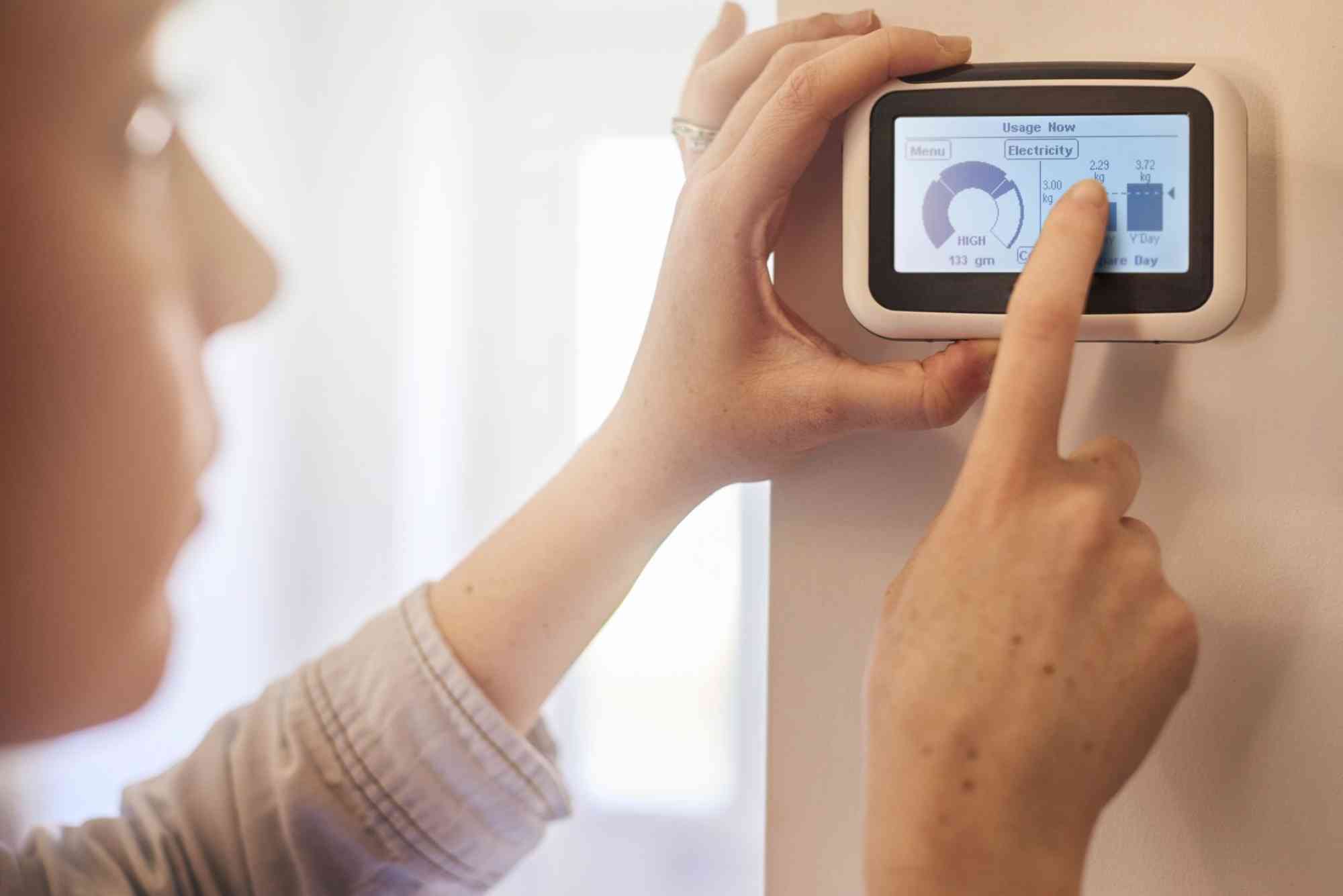
Smart meters have become a staple in homes worldwide. They promise better energy tracking, efficiency, and cost savings. But as their presence grows, so do concerns. A frequent question arises: Are smart meters really a health problem?
This article explores the science behind smart meters and health problems. We’ll break down how they work, what the evidence says, and whether you should be concerned.
What Are Smart Meters?
Smart meters are digital devices installed by utility companies to track electricity, water, or gas usage in real-time. Unlike traditional meters, they transmit usage data wirelessly to the utility provider.
How Smart Meters Work
Smart meters use radiofrequency (RF) radiation to send data. This is similar to how your smartphone, Wi-Fi router, or baby monitor functions. These signals are typically transmitted in short bursts, often just seconds per day.
Understanding the Health Concerns
The debate surrounding smart meters and health problems primarily revolves around electromagnetic radiation. Some individuals believe that exposure to RF radiation—even at low levels—can cause health issues.
Common Health Complaints
People who report sensitivity to smart meters mention symptoms such as:
- Headaches
- Insomnia
- Fatigue
- Anxiety
- Heart palpitations
This group often identifies as suffering from electromagnetic hypersensitivity (EHS), though the medical community does not universally recognize it as a diagnosable condition.
What Science Says About Smart Meters and Health Problems
Regulatory Safety Standards
National and international agencies, including the World Health Organization (WHO) and the Federal Communications Commission (FCC), set limits on RF exposure. Smart meters emit RF levels that fall well below these safety thresholds.
Peer-Reviewed Studies
A large body of peer-reviewed research has evaluated RF exposure. The consensus? Smart meters do not pose a significant health risk. Most studies conclude that:
- RF exposure from smart meters is far lower than from mobile phones.
- No consistent evidence links smart meter radiation to long-term health issues.
WHO’s Position
The WHO classifies RF fields as “Smart Meters and Health Problems” (Group 2B). This classification also includes things like coffee and pickled vegetables. It means that some studies show a possible risk, but evidence is limited and inconclusive.
Debunking Common Myths
Myth 1: Smart Meters Constantly Emit Radiation
Fact: Smart meters emit RF signals for only a few seconds per day. Most of the time, they are idle.
Myth 2: Smart Meters Cause Cancer
Fact: There is no direct evidence linking smart meters to cancer. Long-term studies have not shown a credible link.
Myth 3: You Can Feel Smart Meter Radiation
Fact: While some people report symptoms, studies suggest no correlation between perceived symptoms and actual RF exposure levels.
Comparing Exposure: Smart Meters vs. Other Devices
Let’s put smart meters into context. Here’s how their emissions compare:
- Smartphone (during call): Up to 1,000 milliwatts
- Wi-Fi router (constant): Around 200 milliwatts
- Smart meter (intermittent): Less than 1 milliwatt
The average home Wi-Fi router emits far more RF energy over a longer period than a smart meter.
Legal and Ethical Considerations
Opt-Out Policies
In some regions, utility customers can opt out of smart meter installation. However, these options may come with fees. If you’re concerned, check with your local utility provider.
Privacy Concerns
Aside from health, some worry about data privacy. Smart meters collect usage data that could reveal lifestyle patterns. However, strict data protection laws usually govern how this information is stored and shared.
The Psychological Factor
The Nocebo Effect
Studies show that when people believe a device is harmful, they may develop real symptoms—even if the device is inactive. This is known as the nocebo effect and may explain some reported smart meter health problems.
Public Perception
Fear often spreads faster than facts. Alarmist headlines and anecdotal reports can heighten concern. This underscores the need for accessible, science-based education.
Should You Be Worried?
If you are generally healthy and live in a standard home setting, smart meters are unlikely to pose any health risks. The RF exposure is minimal, intermittent, and falls well within safety limits.
However, if you have specific health concerns or are particularly sensitive to environmental factors, consider consulting a medical professional familiar with EHS and electromagnetic exposure.
FAQs About Smart Meters and Health Problems
Can smart meters affect your sleep?
Some individuals report sleep issues after smart meter installation. However, no scientific studies confirm that smart meters cause sleep disturbances.
Are smart meters safe for children and pregnant women?
Yes. The RF levels from smart meters are far below international safety limits for all age groups, including children and pregnant individuals.
Is it possible to block smart meter radiation?
Some people install RF shields or covers. While these may reduce exposure slightly, they are generally unnecessary and can interfere with meter function.
Why do people say smart meters make them sick?
Perceived symptoms may be related to the nocebo effect, unrelated environmental factors, or preexisting health conditions.
Can I opt out of a smart meter?
In some locations, yes. However, you may need to pay an additional fee. Contact your utility provider for details.
The Verdict on Smart Meters and Health Problems
After examining current scientific research, regulatory guidance, and expert opinions, the answer is clear: smart meters are not a significant health risk. While public concern is understandable, evidence does not support claims that smart meters cause health problems.