Smart Home Automation System PPT: How to Set Up Your Smart Home
In today’s technology-driven world, the concept of a smart home has evolved from a luxury to a necessity. With the rise of IoT (Internet of Things), smart home automation systems have become essential tools for enhancing convenience, security, and energy efficiency. Many people now search for a “Smart Home Automation System PPT” to understand how to plan, design, and implement these systems effectively. Whether you are preparing a presentation, building a new home, or upgrading your existing one, understanding the fundamentals of smart home automation can help you create a living space that is both intelligent and efficient.
What Is a Smart Home Automation System?
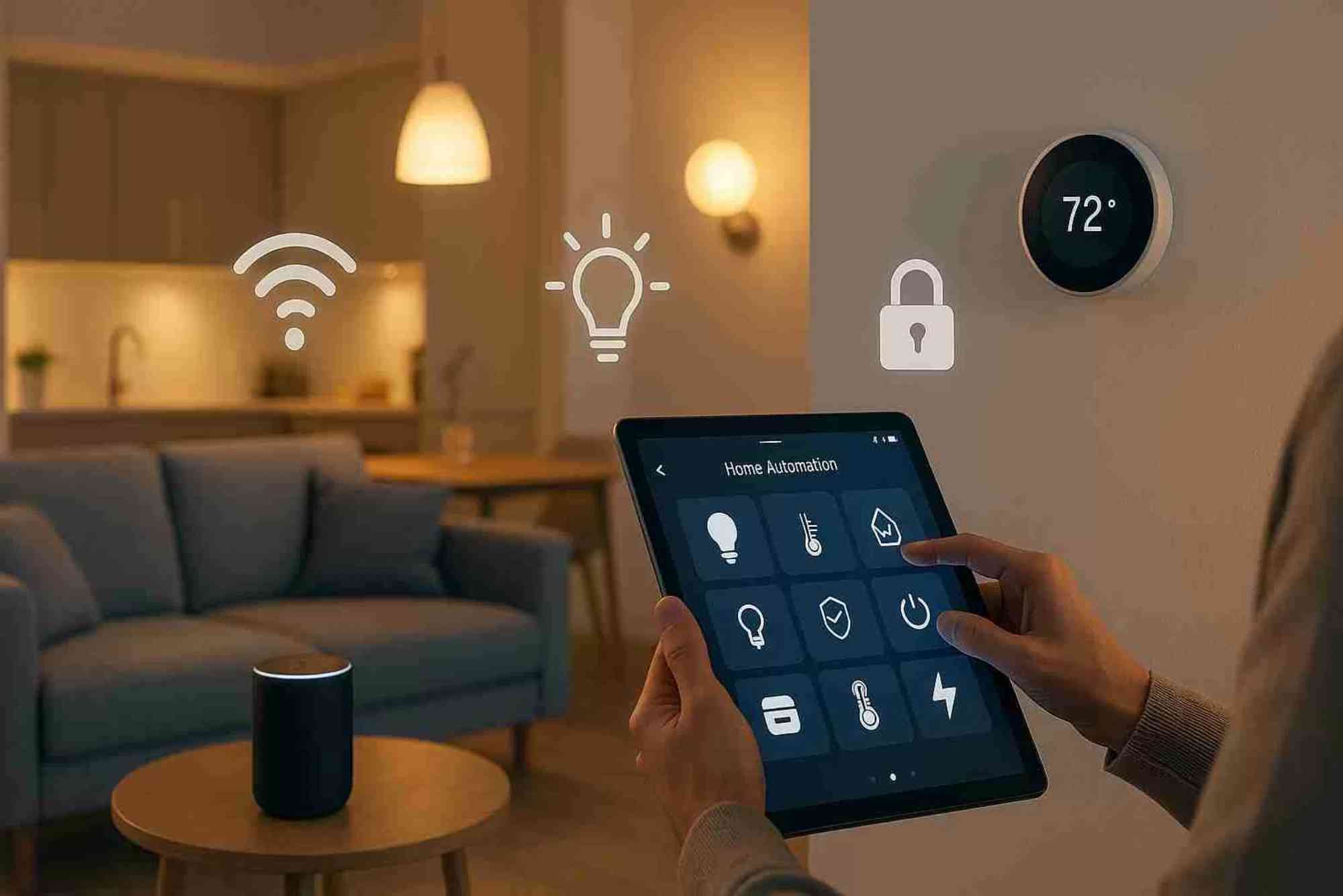
A smart home automation system refers to a network of devices connected through the internet that can be controlled remotely via a smartphone, tablet, or voice assistant. These systems integrate various components such as lighting, heating, security cameras, entertainment systems, and appliances into a single, centralized platform. The result is a home that automatically responds to your needs and preferences, offering comfort, safety, and energy savings.
The concept is often illustrated through a “Smart Home Automation System PPT,” which helps visualize how devices communicate with each other and how automation rules are created. These presentations usually include diagrams, flowcharts, and real-life examples showing how automation improves daily life.
Key Components of a Smart Home Automation System
Every smart home automation setup has several key elements that work together to create a seamless environment. Understanding these components is essential before starting your setup or presentation.
Smart Hub or Controller
The hub is the brain of the smart home. It connects all your smart devices and allows them to communicate. Popular hubs include Amazon Echo, Google Nest Hub, and Samsung SmartThings. They serve as the central point for automation, controlling devices based on your commands or schedules.
Smart Devices and Sensors
Smart devices like thermostats, lights, locks, cameras, and motion sensors form the physical part of the system. Sensors detect environmental changes such as temperature or motion and trigger specific actions. For example, a motion sensor might turn on lights when someone enters a room.

Connectivity and Protocols
Communication between devices depends on protocols such as Wi-Fi, Zigbee, Z-Wave, or Bluetooth. Choosing the right protocol ensures compatibility and smooth performance. A good Smart Home Automation System PPT usually includes a chart comparing these protocols.
Mobile Application
The mobile app acts as your control panel. You can monitor your home, receive alerts, and adjust settings even when you are away. Most modern systems also allow integration with voice assistants for hands-free control.
Cloud and Data Storage
Cloud services store automation data, device settings, and user preferences securely. They also enable remote access and backup, ensuring your system runs smoothly even if local connections fail.
How to Set Up a Smart Home Automation System
Setting up your smart home may sound complicated, but with proper planning, it can be straightforward. Here’s a step-by-step process often highlighted in Smart Home Automation System PPTs for beginners.
Identify Your Needs and Budget
Start by determining what you want to achieve with automation. Do you want to save energy, improve security, or enhance convenience? Make a list of priorities. Then, set a realistic budget that includes devices, installation costs, and ongoing maintenance.
Choose a Smart Home Ecosystem
Choose an ecosystem that suits your preferences and devices. For instance, if you use Android devices, Google Home may be ideal. If you’re an Apple user, consider HomeKit. Sticking to one ecosystem ensures better device compatibility and reliability.
Start with Core Devices
Begin with essential devices like smart lights, smart plugs, and thermostats. These are easy to install and provide immediate benefits. Gradually expand your setup to include cameras, locks, and entertainment systems as you become comfortable.
Set Up the Hub and Connect Devices
Install the hub or controller first, following the manufacturer’s instructions. Then connect each device using the app. Assign them to rooms or zones to make control easier. For example, you can group all living room lights under one command.
Create Automation Routines
This is where your smart home truly becomes intelligent. Set routines such as “turn off lights when I leave” or “play music when I wake up.” You can also create conditional rules like “if motion is detected after 10 p.m., turn on the security lights.”
Test and Optimize
Once everything is set up, test your automation rules and adjust them for efficiency. Check device response times, app connectivity, and any glitches that may occur. Regular updates from manufacturers can improve performance and security.
Benefits of a Smart Home Automation System
A well-designed smart home offers multiple advantages that enhance your quality of life.
Energy Efficiency
Smart thermostats and lighting systems reduce unnecessary energy consumption by adjusting automatically to occupancy and time of day.
Convenience and Comfort
Voice-controlled devices allow you to manage everything from temperature to entertainment without lifting a finger.
Enhanced Security
Cameras, smart locks, and motion sensors work together to protect your home, sending alerts to your phone if something unusual occurs.
Cost Savings
Energy-efficient systems lower utility bills, while predictive maintenance alerts can prevent costly repairs.
Accessibility for All
For elderly or disabled individuals, smart home systems can be life-changing, enabling them to control appliances and doors easily.
Designing a Smart Home Automation System PPT
When creating a presentation on smart home automation, clarity and visual engagement are key. Here’s what your PPT should include to impress your audience or clients.
Introduction Slide
Start with an overview of smart home automation, defining its purpose and importance. Include relevant statistics to capture attention.
System Architecture
Use diagrams to illustrate how devices, sensors, and hubs connect. Visuals help viewers grasp technical concepts faster.
Component Details
Dedicate slides to individual components like hubs, sensors, and applications. Include images and real-world examples.
Implementation Process
Explain the setup steps clearly, from planning to installation and automation creation. Use icons and flowcharts for easy understanding.
Benefits and Use Cases
Highlight the advantages of smart homes and show how they are used in real-life scenarios such as security, energy management, and healthcare.
Challenges and Solutions
Acknowledge common challenges like device compatibility, privacy, and network security. Suggest practical solutions to maintain system reliability.
Conclusion and Future Trends
Wrap up with insights into emerging technologies like AI-driven automation, voice control, and sustainable smart living.
Common Challenges in Smart Home Automation
Although smart home systems are designed for simplicity, they come with certain challenges that users should be aware of.
Compatibility Issues
Not all devices work seamlessly with each other, especially when combining brands. Choosing one ecosystem minimizes problems.
Network Dependence
A stable internet connection is essential. Without it, most smart devices lose functionality. Investing in a strong Wi-Fi network is crucial.
Data Privacy
Since smart devices collect data, users must ensure proper encryption and secure passwords to prevent unauthorized access.
Initial Costs
The upfront cost of smart home devices can be high, but long-term savings in energy and maintenance justify the investment.
Future of Smart Home Automation
The future of smart home technology looks promising. Artificial intelligence and machine learning are making automation systems more intuitive. Devices will soon anticipate user needs before commands are given. Energy management will become smarter, helping homeowners reduce their carbon footprint. The integration of 5G and edge computing will further enhance real-time control and reliability.
A Smart Home Automation System PPT is not just a presentation tool—it’s a roadmap to a more connected and intelligent way of living. Understanding how smart homes function allows you to design, build, or explain these systems confidently. Whether you’re a student, a homeowner, or a professional, the knowledge of automation technology opens doors to innovation, efficiency, and sustainability.
FAQs
What is included in a Smart Home Automation System PPT?
A Smart Home Automation System PPT typically includes system architecture, key components, setup steps, benefits, and future trends.
Can I create a Smart Home Automation System PPT for a school project?
Yes, it’s an excellent topic for students studying electronics, compuer science, or IoT. Include diagrams and examples for better presentation.
Do I need technical knowledge to set up a smart home?
Basic understanding of Wi-Fi and smartphone apps is enough for beginners. Most devices come with user-friendly guides.
How much does it cost to install a smart home system?
Costs vary depending on devices and scale. A basic setup might cost a few hundred dollars, while full automation can reach several thousand.
Which is the best smart home ecosystem?
Google Home, Amazon Alexa, and Apple HomeKit are the most popular. Choose one based on your device preferences.
Related Reading: Smart Home Aktoren
Related Reading: Book Cheap Flight Ticket: Smart Ways to Save on Airfare