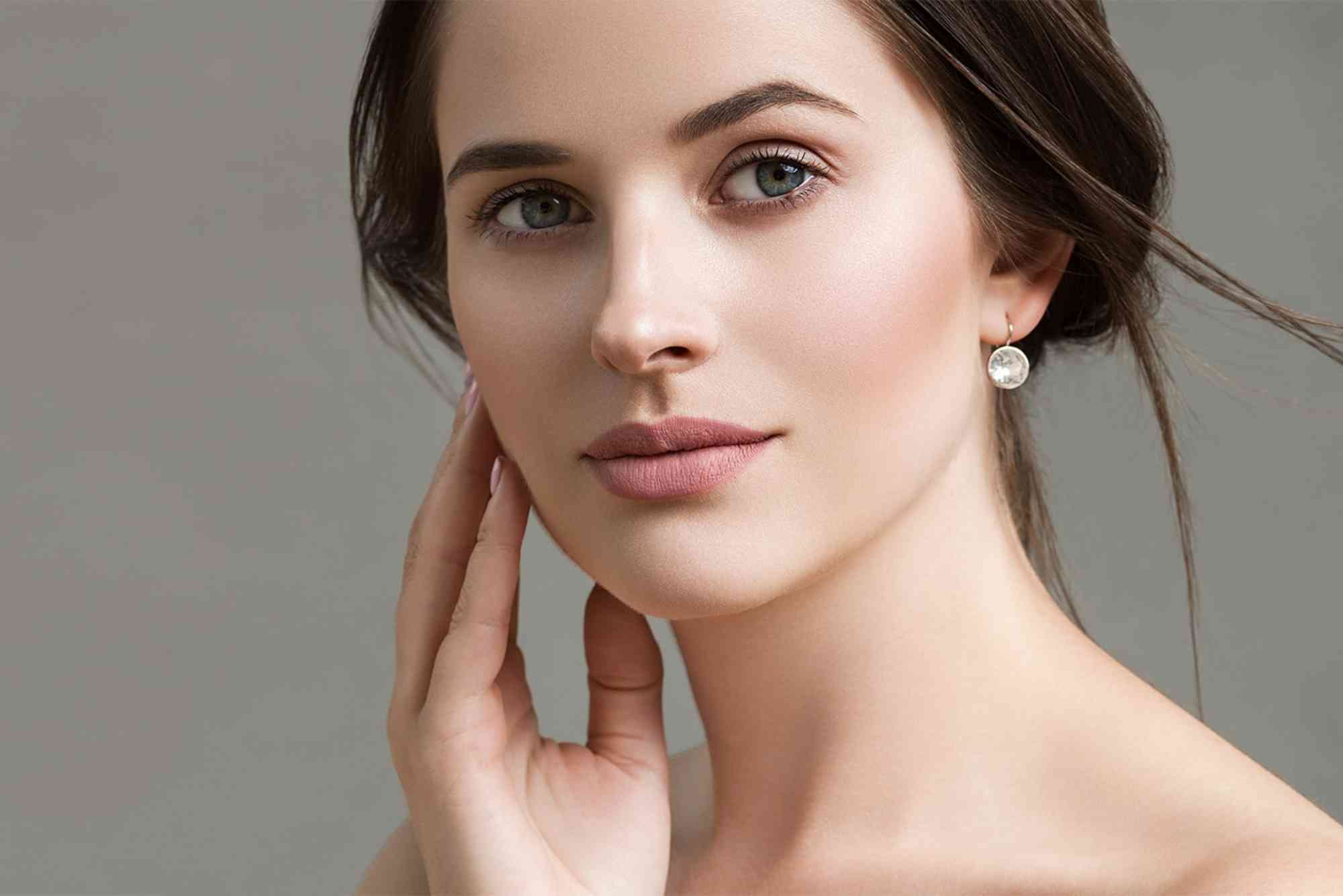
Portrait photography has long stood as a powerful form of expression. It’s where emotion meets artistry and where the essence of a person is preserved in a single frame. In the world of visual storytelling, portrait beauty is about more than just a pretty face—it’s about capturing grace, authenticity, and presence.
This article explores what makes a portrait truly beautiful, the techniques behind captivating images, and how both professionals and enthusiasts can elevate their portrait work by focusing on elegance and human connection.
What Defines Portrait Beauty?
It’s More Than Skin Deep
True portrait beauty is not merely about physical features or perfect lighting. It’s about authenticity. A portrait becomes beautiful when it captures something real—an expression, a moment, or a feeling. Beauty, in this context, is subjective yet universally resonant.
The Emotion Within the Frame
People connect to portraits because of what they evoke. A subtle glance, a soft smile, or eyes filled with story can transform an image into something unforgettable. This emotional honesty is what makes a portrait beautiful.
The Art of Capturing Elegance
Lighting: The Soul of Portraits
Good lighting can make or break a portrait. Natural light, particularly soft morning or late afternoon light, flatters skin tones and adds a gentle glow. Studio lighting, on the other hand, offers full control and can be sculpted to create mood and definition.
Key tip: Position your light source at a 45-degree angle to the subject’s face. This enhances facial structure and adds depth without harshness.

Composition: Framing Grace
Portraits need thoughtful composition. The rule of thirds often applies, but breaking the rules can also result in stunning elegance when done with purpose. Use negative space to let your subject breathe, or get close to emphasize intimacy.
Posing: Natural vs. Structured
Posing should feel effortless. While some direction is often necessary, overly rigid poses can strip away natural charm. Guide your subject gently. Encourage movement, laughter, or thoughtfulness. Let them be themselves.
Understanding Your Subject
Building Trust Behind the Lens
Creating portrait beauty requires trust. Subjects must feel safe and comfortable. A nervous subject translates into a stiff image. Spend time talking to them. Help them relax. A genuine connection often leads to genuine portraits.
Highlighting Individuality
Every person is different. Each has features, stories, and styles that deserve unique attention. A great portrait honors these distinctions rather than masking them. Consider how to accentuate what makes your subject special.
The Role of Style and Wardrobe
Fashion as Visual Texture
Clothing contributes to the tone of a portrait. Flowy fabrics add softness; structured outfits convey strength. Encourage outfits that align with the story or mood being captured. Neutral tones often work best, but bold colors can add dynamic impact.
Hair and Makeup: Enhancing, Not Masking
Less is more when aiming for elegance. Light makeup that enhances natural features often photographs better than heavy applications. Similarly, hair should be styled in a way that feels natural to the subject—not forced or overly styled.
Post-Processing and Retouching
Editing with Restraint
Modern portrait photography includes some level of retouching. However, overly polished images can lose authenticity. Skin should look like skin. Eyes should sparkle, not glow unnaturally. Strive to enhance, not alter.
Tools and Techniques
Software like Lightroom and Photoshop offer subtle adjustment tools for color correction, contrast, and skin smoothing. Always zoom out and evaluate your edit as a whole. If the edit calls attention to itself, it’s likely too much.
Telling a Story Through Portraits
Context Adds Depth
Where a portrait is taken matters. A cozy home, a busy street, or a sunlit park each adds layers to the story. Choose settings that complement your subject or contrast in a meaningful way.
Props and Personal Items
Sometimes, including meaningful objects—a book, a musical instrument, or an heirloom—can elevate a portrait from a picture to a narrative. These elements introduce context and deepen the visual message.
Why Portrait Beauty Matters Today
In a world overflowing with selfies and filters, authentic portrait photography is more important than ever. Portrait beauty speaks to our need for connection, memory, and expression. It reminds us that real elegance is not in perfection, but in presence.
Great portraits endure. They hold time still. They preserve who we are—and sometimes, who we hope to be.
Frequently Asked Questions (FAQs)
What makes a portrait beautiful?
A beautiful portrait captures authenticity, emotion, and personality. It goes beyond appearance to reveal the subject’s inner story.
How do I pose for a beautiful portrait?
Relax your shoulders, soften your expression, and connect with the camera. Let your personality guide your pose.
What is the best lighting for portrait photography?
Natural soft light, especially during the golden hour, is ideal. In studios, use diffused lighting to avoid harsh shadows.
How much editing is too much in portrait photography?
If the subject starts to look artificial or over-smoothed, it’s too much. Aim for subtle enhancements, not transformation.
Should I shoot in RAW for portraits?
Yes. RAW files retain more detail and allow for better post-processing without sacrificing image quality.
Start Capturing Elegance Today
Portrait beauty is about recognizing and honoring the elegance within every individual. Whether you’re a seasoned photographer or a passionate beginner, your ability to observe, connect, and express will shape the portraits you create.