Introduction
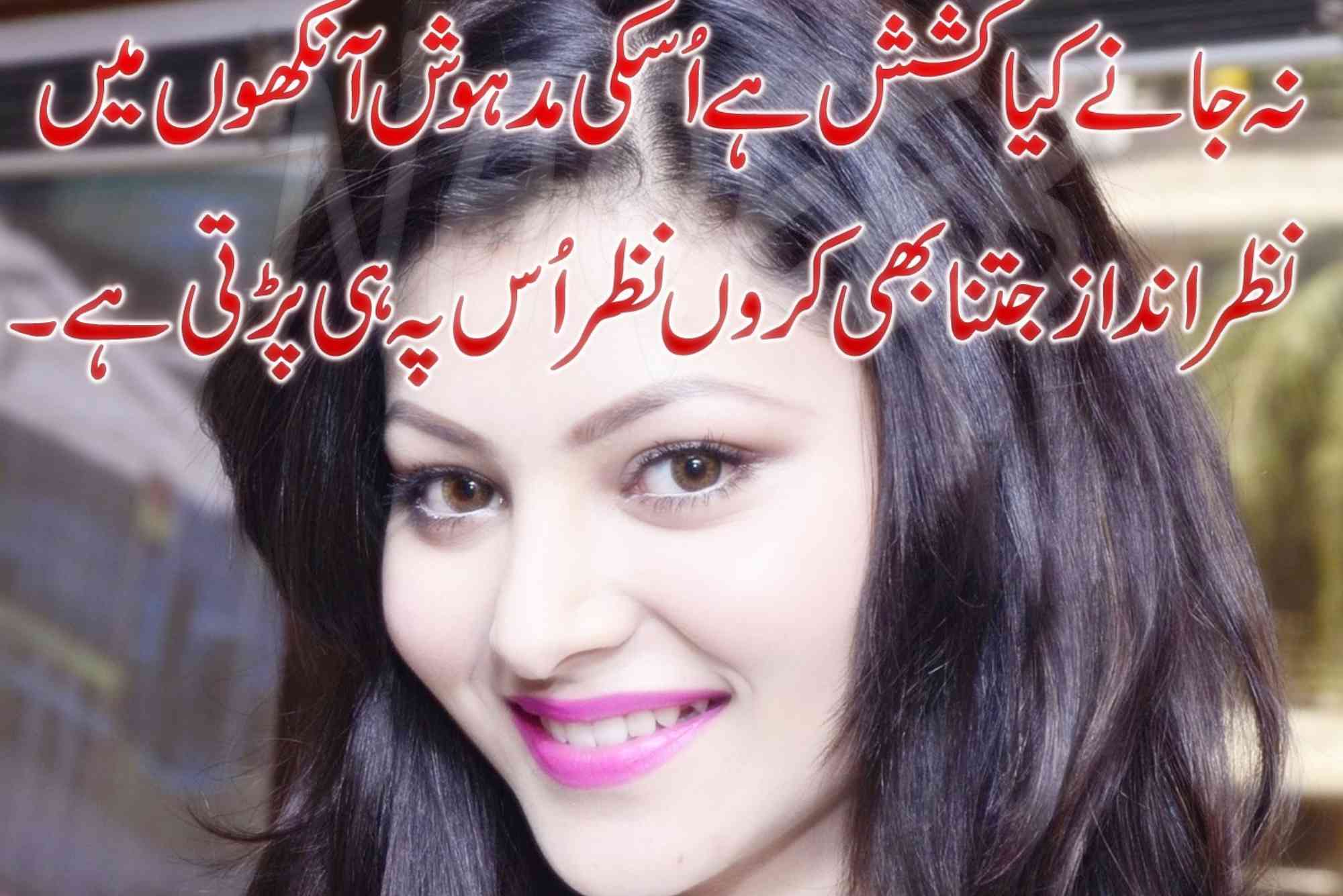
A smile has the power to disarm, connect, and enchant. In Urdu literature, a smile is more than just a gesture—it’s an art form, a symbol of purity, and often the spark behind a timeless verse. Lovers, poets, and dreamers have long used Urdu poetry on beautiful smiles to capture that fleeting moment when someone’s smile leaves the world a little softer.
Whether it’s the innocent curve of lips or the sparkle that follows in the eyes, the beauty of a smile has inspired generations of Urdu poets. In this article, we delve deep into poetry on beautiful smile in Urdu, exploring how this simple expression has become a profound subject in classical and modern verse.
Let’s explore the magic, meaning, and emotions hidden in these beautiful words.
The Cultural Significance of Smiles in Urdu Poetry
Smiles in Classical Ghazals
From Mir Taqi Mir to Ghalib, classical Urdu poetry often centers around subtle emotions. A beloved’s smile often becomes the climax of emotional tension—a silent reward or cruel taunt. These poets didn’t just see a smile—they interpreted its every nuance.
For instance, Ghalib once hinted that a smile could mean acceptance, mockery, or mere politeness. The ambiguity itself became poetic fuel.
Modern Urdu Poets and the Evolving Smile
Modern Urdu poetry brings a more personal and reflective tone. Poets like Parveen Shakir and Jaun Elia explore the emotional landscape behind the smile. Is it hiding sorrow? Is it full of love? Or is it a mask for something else entirely?

Today’s readers often find this duality relatable—beautiful smiles that conceal as much as they reveal.
Why Poetry on Beautiful Smile in Urdu Still Resonates
Smiles are universal. But when expressed in Urdu, a language rich with metaphor and emotion, a smile becomes layered with meaning.
Urdu poetry often romanticizes the idea of a fleeting glance, a whispered word, or a half-smile. It invites readers to pause and reflect. That’s what makes poetry on beautiful smile in Urdu so timeless—it helps us slow down in a fast-paced world.
Moreover, Urdu’s lyrical nature gives it an unmatched ability to express emotional subtleties. When you read a verse that describes a smile, you don’t just imagine it—you feel it.
Common Themes in Smile-Based Urdu Poetry
Love and Longing
A smile can be the beginning of a love story—or the end of it. Many verses highlight the first time a lover smiled, forever changing the poet’s world.
Mystery and Deception
Not all smiles are sincere. Some verses play with the idea of a deceptive smile—beautiful on the outside but harboring pain or betrayal.
Innocence and Youth
Poets often liken a smile to childhood—pure, spontaneous, and full of life. These verses capture the magic of innocence and unfiltered joy.
Famous Urdu Poetry Lines on Beautiful Smiles
Some verses are so iconic they live in the minds of poetry lovers forever. Consider:
“Woh muskurahat jo aankhon mein chhup jaaye,
Har lafz se behtar bayan ho jaaye.”
This couplet, like many others, shows how a smile can outperform even the most beautifully spoken words.
Or:
“Tere honton ki muskurahat ne,
Zindagi ko naya ehsaas diya.”
Such verses encapsulate how deeply a single smile can influence someone’s entire emotional state.
How Social Media is Reviving Urdu Smile Poetry
Thanks to Instagram and TikTok, Urdu poetry has found a new audience. Short video clips, reels, and posts now feature poetry on beautiful smile in Urdu, often accompanied by visuals, voiceovers, or animations.
This digital revival helps keep the poetic tradition alive while making it accessible to Gen Z and younger millennials. These new platforms are giving old verses a fresh breath of life—and smiles, both virtual and real, are often at the heart of these clips.
Writing Your Own Poetry on Beautiful Smile in Urdu
If you’re inspired, try penning a verse yourself. Start with observation. Think of a moment when someone’s smile changed your mood. Did it comfort you? Tease you? Or make you feel seen?
Here’s a basic framework:
- Choose a simple metaphor (e.g., moonlight, rose, spring)
- Focus on one emotion (joy, pain, longing)
- Keep the rhythm natural
- Let the imagery flow—don’t force it
Example (original):
“Teri muskan mein chhupi hai,
Ek aisi roshni jo andheron ko mita deti hai.”
This verse doesn’t just describe the smile—it paints an emotion.
Why a Beautiful Smile Makes for Perfect Poetry
Human connection thrives on emotion. Smiles are among the purest expressions of that emotion. Poetry captures what a photograph cannot: the feeling behind the smile. That’s why poetry on beautiful smile in Urdu continues to touch hearts.
Whether you’re reading Faiz or an unknown Instagram poet, the emotion feels just as powerful—because we’ve all felt it.
Share the Smile, Share the Verse
A smile is contagious—and so is good poetry. In today’s world, filled with stress and distractions, a few lines of heartfelt verse can be the reminder we need to reconnect with joy.
Next time someone’s smile moves you, capture it in words. Or better yet, share a verse that mirrors how you feel.
FAQs: People Also Ask
What are some famous Urdu couplets on smiling faces?
Many Urdu poets like Ghalib, Faiz, and Parveen Shakir have written couplets describing smiles as moments of peace, mystery, or seduction.
Can I write my own Urdu poetry on smiles?
Absolutely. Start simple. Focus on one emotion, use vivid imagery, and keep your verses heartfelt.
Why is a smile so important in Urdu poetry?
Smiles symbolize many things—love, irony, sadness. Urdu poetry thrives on layered emotions, making smiles a perfect subject.
Is poetry on beautiful smile in Urdu still popular?
Yes, especially on social media platforms like Instagram and TikTok. Hashtags and visuals help revive interest among younger audiences.
What does a smile represent in poetry?
It can represent warmth, deception, flirtation, or even farewell. The beauty lies in its ambiguity.