
Introduction
Pet care in UAE summer requires extra attention because extreme temperatures can quickly threaten a dog’s health. During summer, temperatures across the United Arab Emirates can rise dramatically. High humidity can make outdoor conditions even more uncomfortable for pets. Therefore, dog owners must adjust their daily routines to protect their furry companions.
Heatstroke is a serious condition that can damage internal organs and become life-threatening. Unlike humans, dogs cannot cool themselves efficiently through sweating. They mainly regulate their body temperature through panting. However, panting may not provide enough cooling during extreme UAE weather.
Understanding Pet Care in UAE Summer: 7 Rules to Prevent Dangerous Heatstroke in Dogs helps owners recognize risks and develop safer habits. With proper hydration, suitable walking times, and a comfortable indoor environment, you can reduce these dangers. Most importantly, recognizing early warning signs can save your dog’s life.
Why Is Summer Dangerous for Dogs in the UAE?
The UAE experiences intense summer heat, particularly between June and September. During this period, outdoor temperatures can become dangerous even during relatively short activities. Hot pavements, limited shade, and high humidity increase the risks.
Dogs with thick coats may struggle more in hot weather. Flat-faced breeds, including Pugs and Bulldogs, also face increased risks because of their breathing difficulties. Puppies, senior dogs, overweight pets, and dogs with existing medical conditions need additional protection.
Furthermore, heatstroke can develop during exercise, outdoor play, or exposure to poorly ventilated spaces. Leaving a dog inside a parked vehicle is especially dangerous. Even a short absence can expose your pet to rapidly rising temperatures.

Rule 1: Walk Your Dog During Cooler Hours
Choose Early Morning or Late Evening
One of the most important summer pet care practices is changing your dog’s walking schedule. Avoid walking during the hottest hours, particularly around midday and afternoon. Instead, choose early morning or later evening when conditions are cooler.
However, evening air can remain hot long after sunset. Check the actual temperature and humidity before leaving home. Keep walks short when conditions remain uncomfortable.
Protect Your Dog’s Paws
Pavements, roads, and sand can become dangerously hot under direct sunlight. These surfaces may burn your dog’s paw pads. Test the walking surface with your hand before beginning a walk.
If the surface feels too hot for your hand, choose a cooler route. Grass and shaded paths may provide safer alternatives, although they can also retain heat.
Rule 2: Provide Fresh Water Throughout the Day
Prevent Dehydration
Hydration is essential for effective temperature regulation. Always provide clean, fresh drinking water at home. Place water bowls in accessible areas where your dog regularly rests.
During walks, carry a portable water bottle and a suitable drinking bowl. Offer water during breaks, especially when your dog appears thirsty. Never force your dog to drink.
Recognize Dehydration Warning Signs
Dry or sticky gums, unusual tiredness, and reduced urination can indicate dehydration. Severe dehydration may cause weakness and other serious complications. Contact a veterinarian if you notice concerning symptoms.
Do not assume that a dog drinking water is automatically safe from heatstroke. Water helps, but it cannot compensate for excessive heat exposure or strenuous exercise.
Rule 3: Keep Your Dog in a Cool Indoor Environment
Use Air Conditioning Safely
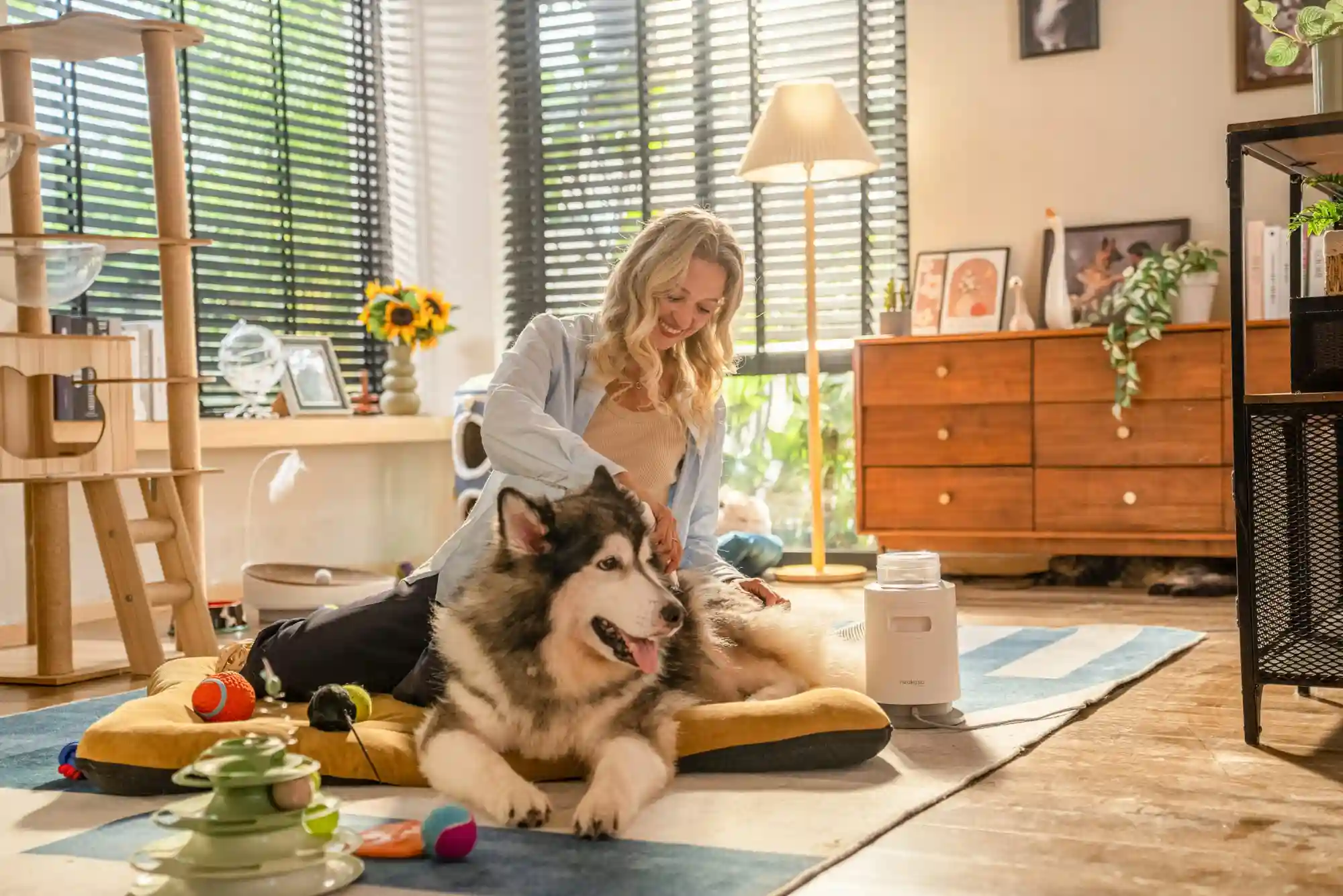
Air conditioning is particularly important during UAE summers. Maintain a comfortable indoor temperature and provide a cool resting area. Ensure your dog can move away from direct sunlight.
Close curtains during the hottest part of the day. This helps reduce indoor heat buildup. A fan may improve airflow, but it should not replace air conditioning when temperatures become dangerously high.
Never Leave Dogs in Parked Cars
A parked vehicle can heat up rapidly, even when the windows are slightly open. Parking in the shade does not make a vehicle safe for pets.
Never leave your dog unattended inside a parked car. If you need to run errands, arrange suitable care or leave your dog safely at home.
Rule 4: Avoid Strenuous Exercise During Extreme Heat
Replace Intense Activities With Indoor Play
Dogs often remain eager to run, fetch, and play despite dangerous temperatures. However, excitement can encourage them to continue exercising when their bodies need rest.
During hot weather, replace long outdoor sessions with gentle indoor activities. Puzzle toys, short training sessions, and scent games provide mental stimulation without excessive physical exertion.
Watch for Early Signs of Overheating
Excessive panting, drooling, restlessness, and weakness may indicate overheating. Some dogs may appear confused or struggle to walk normally.
Stop exercising immediately if your dog shows these signs. Move to a cool area and contact a veterinarian if symptoms are significant or persistent. Never encourage a struggling dog to continue walking.
Rule 5: Groom Your Dog According to Its Coat Type
Maintain a Healthy Coat
Regular brushing helps remove loose fur and prevents tangles. It can also improve coat maintenance during the summer months.
However, shaving every dog is not advisable. Some breeds have double coats that provide insulation and help protect their skin. Shaving these coats can interfere with natural protection and increase sunburn risks.
Ask a professional groomer or veterinarian about the best approach for your dog’s breed. Keep the coat clean and free from painful mats.
Protect Exposed Skin
Dogs with thin coats, light-colored fur, or exposed skin may be vulnerable to sunburn. Limit direct sunlight and seek veterinary advice about pet-safe sunscreen when needed.
Never use human sunscreen without checking its ingredients and suitability for dogs. Some products contain substances that can harm pets if swallowed.
Rule 6: Learn the Signs of Heatstroke
Understand the Warning Symptoms
Heatstroke occurs when a dog’s body temperature rises to dangerous levels. It can develop quickly, particularly during strenuous activity or extreme weather.
Early symptoms may include heavy panting, excessive drooling, bright red gums, and unusual agitation. As the condition progresses, dogs may vomit, develop diarrhea, become weak, or show confusion.
Severe heatstroke can cause collapse, seizures, and organ damage. A dog does not need to lose consciousness before the situation becomes an emergency.
Act Immediately if Heatstroke Is Suspected
Move your dog into an air-conditioned or shaded area immediately. Begin cooling the body with cool tap water, particularly around the neck, abdomen, and inner thighs. Use a fan if available.
Avoid ice baths and do not wrap your dog in wet towels, which can trap heat. Do not force water into the mouth of a weak or confused dog.
Contact an emergency veterinarian immediately. Begin safe cooling while arranging veterinary care, and do not delay transport to see whether your dog improves. Heatstroke requires urgent professional assessment, even if the dog seems to recover.
Rule 7: Schedule Veterinary Checkups and Plan Ahead
Identify Individual Risk Factors
Regular veterinary checkups can help identify conditions that increase heat-related risks. Heart or respiratory problems, obesity, and certain medications may affect a dog’s ability to tolerate heat.
Discuss your dog’s exercise routine, hydration needs, and cooling arrangements with your veterinarian. Flat-faced breeds and senior dogs may require especially careful monitoring.
Prepare for Emergencies
Keep your veterinarian’s contact details readily available. Identify an emergency clinic before temperatures rise. This preparation can save valuable time if your dog develops heatstroke.
If you travel with your dog, confirm that suitable cooling and water will be available throughout the journey. Never leave a pet unattended in a vehicle, even during a brief stop.
Frequently Asked Questions
How can I keep my dog cool in UAE summer?
Keep your dog indoors in a cool, air-conditioned environment. Provide fresh water, schedule walks during cooler hours, and avoid strenuous exercise. Monitor your pet for excessive panting and other signs of overheating.
What temperature is too hot for dogs to walk outside?
There is no single safe temperature for every dog. Risk depends on humidity, sunlight, pavement temperature, breed, age, and health. In UAE summer, even temperatures below the daily maximum can be dangerous. Choose short walks during cooler periods and avoid hot surfaces.
What are the first signs of heatstroke in dogs?
Early signs include excessive panting, drooling, restlessness, and unusually red gums. Vomiting, weakness, confusion, and collapse indicate a potentially serious emergency. Seek veterinary assistance immediately if heatstroke is suspected.
Can dogs stay outside in UAE summer?
Dogs should not remain outdoors for extended periods during extreme heat. Shade alone may not provide adequate protection. Keep pets in a cool indoor environment, with fresh water and opportunities to rest comfortably.
Should I shave my dog during summer?
Not necessarily. Shaving double-coated breeds can interfere with their natural coat protection. Regular brushing and appropriate grooming are usually better options. Consult a veterinarian or experienced groomer for breed-specific advice.
Conclusion
Pet Care in UAE Summer: 7 Rules to Prevent Dangerous Heatstroke in Dogs starts with understanding how quickly extreme temperatures can affect your pet. Changing walking schedules, providing fresh water, maintaining a cool indoor environment, and avoiding intense exercise are essential precautions.