
Introduction
Continuing education opens doors for growth and opportunity. When we speak of OISE continuing education, we refer to advanced learning through the Ontario Institute for Studies in Education, a part of the University of Toronto. This guide covers what OISE continuing education offers, who it suits, its structure, and how to make the most of it. Whether you are a teacher seeking professional development or a learner aiming for personal enrichment, you will find clarity here.
OISE and Its Mission
OISE has long been recognized as a leader in educational research, professional training, and teacher education. Its continuing education programs aim to bridge theory and practice. They empower educators, leaders, and learners to enhance their skills and knowledge in evolving educational contexts. The phrase “oise continuing education” captures both that mission and the journey of learners who pursue growth beyond conventional degrees.
OISE continuing education is more than acquiring credits. It is about transformation. Participants engage with cutting-edge research, collaborative cohorts, and applied learning. The purpose is to adapt to changing educational landscapes, respond to diversity, and lead in inclusive environments. From urban schools to remote settings, it prepares learners for nuanced challenges.
What Are OISE Continuing Education Programs
History and Foundation
OISE has its roots in decades of educational research and teacher training. Its continuing education strand evolved to address lifelong learning needs. Over time, as educational demands expanded, OISE responded by offering flexible programming, online and in-person formats, and options for credit and non-credit learning. The academic rigor associated with OISE ensures that learners engage deeply with content and acquire evidence-based practices. The foundation lies both in scholarly research and hands-on application.
Types of Programs and Who They Serve
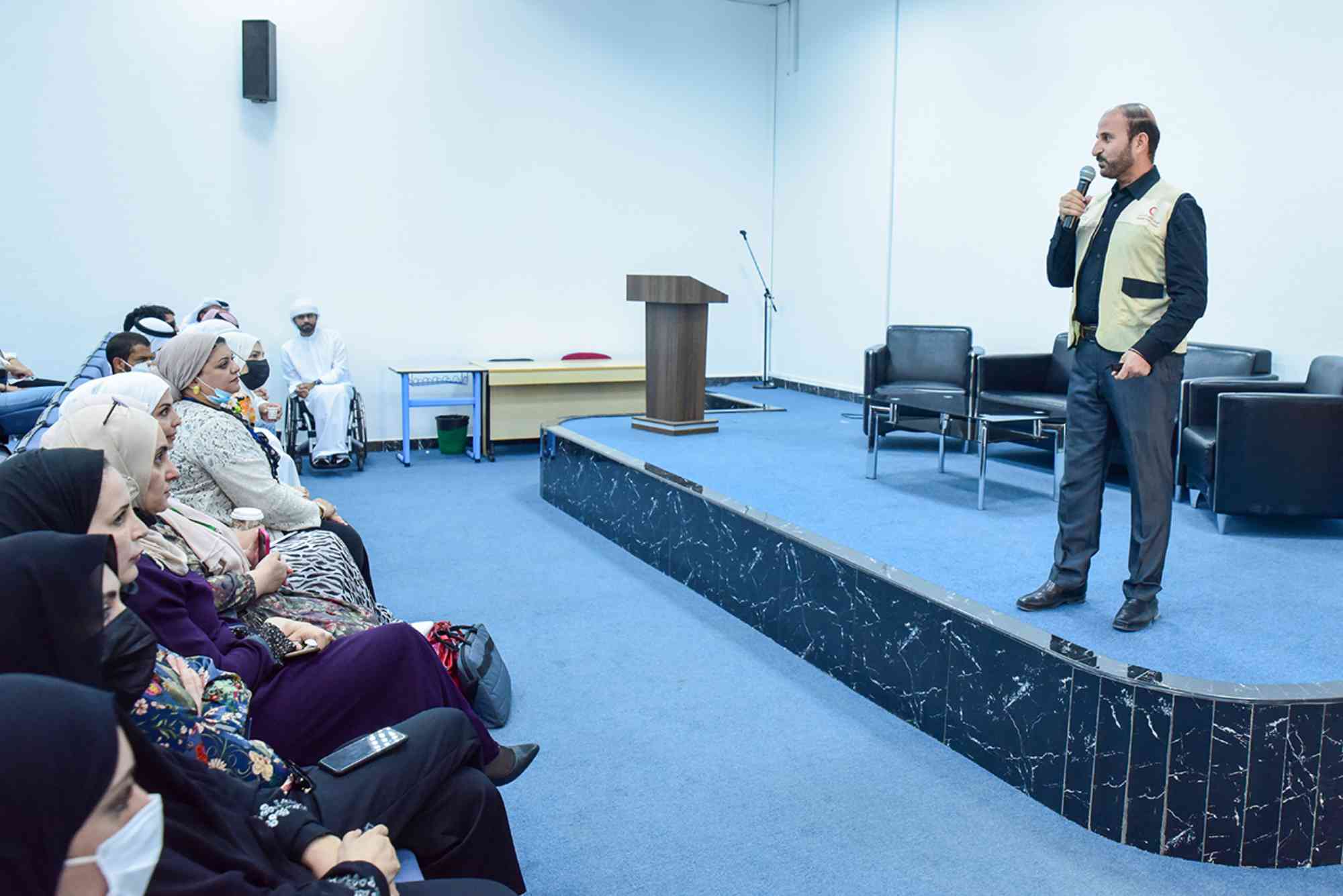
There are various program formats under the umbrella of OISE continuing education. Some are designed for certified teachers seeking additional qualifications or specialization. Others suit education leaders, policy makers, or people working in community settings. Certain programs focus on special education, inclusive pedagogy, leadership, curriculum design, or educational technology. Students may enter these programs directly after their initial degree or after years in the field. The flexible structure allows part-time study or summer intensives so working professionals can participate without pausing their careers.
Key Components of OISE Continuing Education
Curriculum and Pedagogical Approach
The curriculum of OISE continuing education is research-informed. Coursework often interweaves empirical studies, case work, and reflection. Learners engage with scholarly articles, conduct small projects, and evaluate real educational settings. Pedagogical approaches promote active learning, collaborative inquiry, and critical thinking. Instructors emphasize diverse learning styles and inclusive practices so that participants can serve varied student populations effectively.

Delivery Modes and Learning Formats
OISE continuing education offers both online and face-to-face formats. Some courses take place on campus while others are delivered virtually. Hybrid models are common, combining web seminars, synchronous sessions, and in-class workshops. Scheduling is flexible: weekend workshops or evening classes let working learners balance their obligations. This adaptability makes continuing education accessible to people in distant locations or those managing work and family commitments.
Assessment and Certification
Assessment methods in these programs often require reflective essays, project work, presentations, and sometimes teaching practicums. Grading reflects both theoretical understanding and practical effectiveness. Certificates or credit toward further degrees are awarded based on successful completion. For teachers, certain programs may contribute to professional development hours or additional qualifications required by school boards. Participants receive formal documentation, transcripts, or micro-credentials, depending on the program.
Benefits of Enrolling
Professional Growth and Career Advancement
When someone completes an OISE continuing education program, they gain credentials that are respected in the field of education. This can open doors to leadership roles, specialized instructional positions, or roles in curriculum development. In many cases, educators report increased confidence when facilitating diversity, technology integration, or inclusion initiatives. Employers often recognize these credentials when hiring or promoting, because OISE work is aligned with current research and best practices.
Staying Current with Educational Trends
Education evolves rapidly. Issues such as equity, remote learning, trauma-informed practice, and digital learning require ongoing attention. OISE continuing education keeps learners up to date. Participants explore emerging theory, changing policies, and new technologies. They also gain exposure to scholars, practitioners, and peer communities who provide insight into what is working in various contexts. Staying current helps educators respond with relevance and excellence.
Personal Satisfaction and Lifelong Learning
Many who pursue continuing education do so for personal fulfillment. Learning new perspectives reignites passion for one’s work. In OISE programs, reflection is built in, helping educators reconnect with why they entered the profession. Lifelong learning contributes to resilience; it provides a sense of purpose beyond immediate job demands. It fosters curiosity and growth, which enrich one’s professional and personal life.
Challenges to Consider
Time Commitment and Balance
Completing a continuing education program at OISE demands time. Course readings, project work, or practicum components require hours beyond classroom time. Working educators often juggle this alongside teaching, grading, family, and other responsibilities. Balancing these demands calls for discipline, schedule management, and sometimes personal sacrifice.
Financial Costs and Funding
Costs include tuition, fees, materials, and sometimes travel. Depending on the program, these expenses can add up significantly. Prospective participants should explore scholarships, employer reimbursement, or payment plan options. Some may work with unions or school boards that offer financial assistance. Evaluating the return on investment—both monetary and professional—is essential before committing.
Adaptation to Program Rigor
The academic level at OISE is rigorous. Even in continuing education, expectations remain high in research, critical thinking, and communication. Some courses assume prior experience or baseline knowledge. Participants unfamiliar with research methods may need extra support or preparatory reading. Being ready for intellectual challenge leads to better outcomes and less stress.
How to Choose the Right OISE Continuing Education Program
Identify Your Goals and Areas of Growth
First, clarify what you want to achieve. Do you aim to specialize in inclusive education, develop leadership skills, or integrate technology more effectively? Matching your goals to program content ensures that time and money spent align with the outcomes you need. Programs with strong mentorship or practicums might suit those wanting applied skills; those focused on theory suit those interested in research or policy.
Review Accreditation and Credentialing
Check whether the program offers a certificate, university credit, or qualification recognized by school boards. Some programs may feed into graduate degree requirements. Others provide micro-credentials or professional development hours. Ensuring that the credential carries weight in your field helps avoid surprises later.
Consider Logistics: Schedule, Mode, and Cost
Assess whether courses are offered online or in person, full-time or part-time. Decide whether you can commit to synchronous sessions or require asynchronous formats. Determine what fees apply and whether financial support is available. Also consider location, if travel is required, and whether the time zone aligns for live sessions. These logistics affect your ability to complete the program.
Tips for Success in OISE Continuing Education
Engage Fully and Reflect Often
Active engagement matters more than just attending class. When you ask questions, contribute to discussions, and apply theory in your context, your learning deepens. Reflection—whether via journaling or discussing with peers—helps you internalize lessons. Practice connecting new knowledge to experiences in your classroom or workplace.
Build Peer Relationships and Networks
Learning beside others gives new perspectives. OISE continuing education often brings together teachers, leaders, and researchers from varied settings. Collaborations that start in class may continue beyond it. Sharing resources, challenges, and successes with peers increases both motivation and insight.
Apply Learning Immediately
Theory becomes powerful when used. Try integrating new strategies, tools, or frameworks into your teaching or projects as soon as possible. Doing so not only reinforces learning but also reveals what works in your unique context. Trial and error mountains of improvement. Adaptation helps you discover what resonates with your students or community.
The journey through oise continuing education can transform your professional path, refresh your practice, and deepen your understanding of education. These programs offer opportunity for growth, relevance, and increased impact. You will gain fresh ideas, credentials, and confidence if you choose programs aligned with your goals and ready yourself for challenge.
If you are ready to take the next step, consider exploring program options now, mapping your goals, and reaching out to OISE advisors. Embrace the chance to learn, grow, and lead in education. Visit OISE today and begin your continuing education journey.
FAQ
What kinds of certificates are available through OISE continuing education programs?
You may obtain certificates, micro-credentials, or even university credits depending on the program. Some prepare you for additional qualifications recognized by school boards or regulatory bodies.
How long do OISE continuing education programs take?
Duration varies. Some courses are short-term workshops or summer institutes. Others stretch across several months or even years if taken part-time. Your pace and format affect total time.
Are there online options for OISE continuing education?
Yes, many programs are offered online or in a hybrid format. This allows participants who cannot attend in person to access materials virtually and partake in synchronous or asynchronous sessions.
Can I use OISE continuing education toward a graduate degree?
In some cases, yes. Certain programs are structured so that credits or credentials may transfer or count toward graduate-level work. It depends on program design and institutional policies.
What are the admission requirements for OISE continuing education?
Requirements depend on the specific program. Generally you will need a completed undergraduate degree or equivalent, sometimes professional experience, and sometimes prerequisite courses. Some programs ask for a statement of purpose or interview.