
Introduction
The year 2019 marked an exciting shift in the footwear industry. The focus on new shoe technology 2019 was not limited to athletes alone; it extended to everyday consumers, fashion lovers, and eco-conscious buyers. Advances in cushioning, lightweight materials, and smart features helped redefine what shoes could do. It was a year when performance merged with innovation, and comfort combined with sustainability.
With growing competition among global footwear brands, companies invested heavily in research and development. Shoes were no longer just about style. They became a blend of engineering, biomechanics, and technology. From energy-returning midsoles to eco-friendly materials, 2019 pushed the industry into a new era. Let’s explore how shoe technology evolved that year and why it continues to shape footwear trends today.
The Rise of Advanced Cushioning Systems
Cushioning has always been a cornerstone of shoe design. In 2019, it reached new heights. Brands experimented with foams that provided both responsiveness and durability. Instead of traditional EVA, manufacturers began using advanced compounds that could withstand heavy use while maintaining softness.
This development was especially significant for running shoes. Athletes benefited from midsoles that returned energy with every stride. The technology allowed runners to feel less fatigue during long distances. Casual wearers also noticed the difference. Daily walking and standing felt easier thanks to innovations that combined comfort with long-lasting support.
The new era of cushioning went beyond simple comfort. It became about enhancing performance, reducing injury risks, and creating a balance between softness and stability. For many, this shift was one of the most noticeable improvements in footwear during 2019.
Lightweight Materials and Structural Innovation
Weight reduction became another defining theme. The new shoe technology 2019 focused heavily on creating footwear that felt almost weightless. Engineers achieved this through woven uppers, minimal overlays, and seamless designs. By reducing unnecessary material, shoes became more breathable and flexible without losing durability.
One key innovation was the rise of engineered knit fabrics. These uppers hugged the foot like a second skin, adapting to its shape. Runners and gym-goers appreciated the secure fit, while lifestyle users enjoyed the modern look. Despite being lightweight, these materials offered excellent stability when combined with reinforced zones around the heel and midfoot.
This structural innovation represented a balance between style and performance. It demonstrated that reducing bulk did not mean sacrificing support. Instead, it created a new standard where lightness equaled strength.
The Emergence of Smart Features
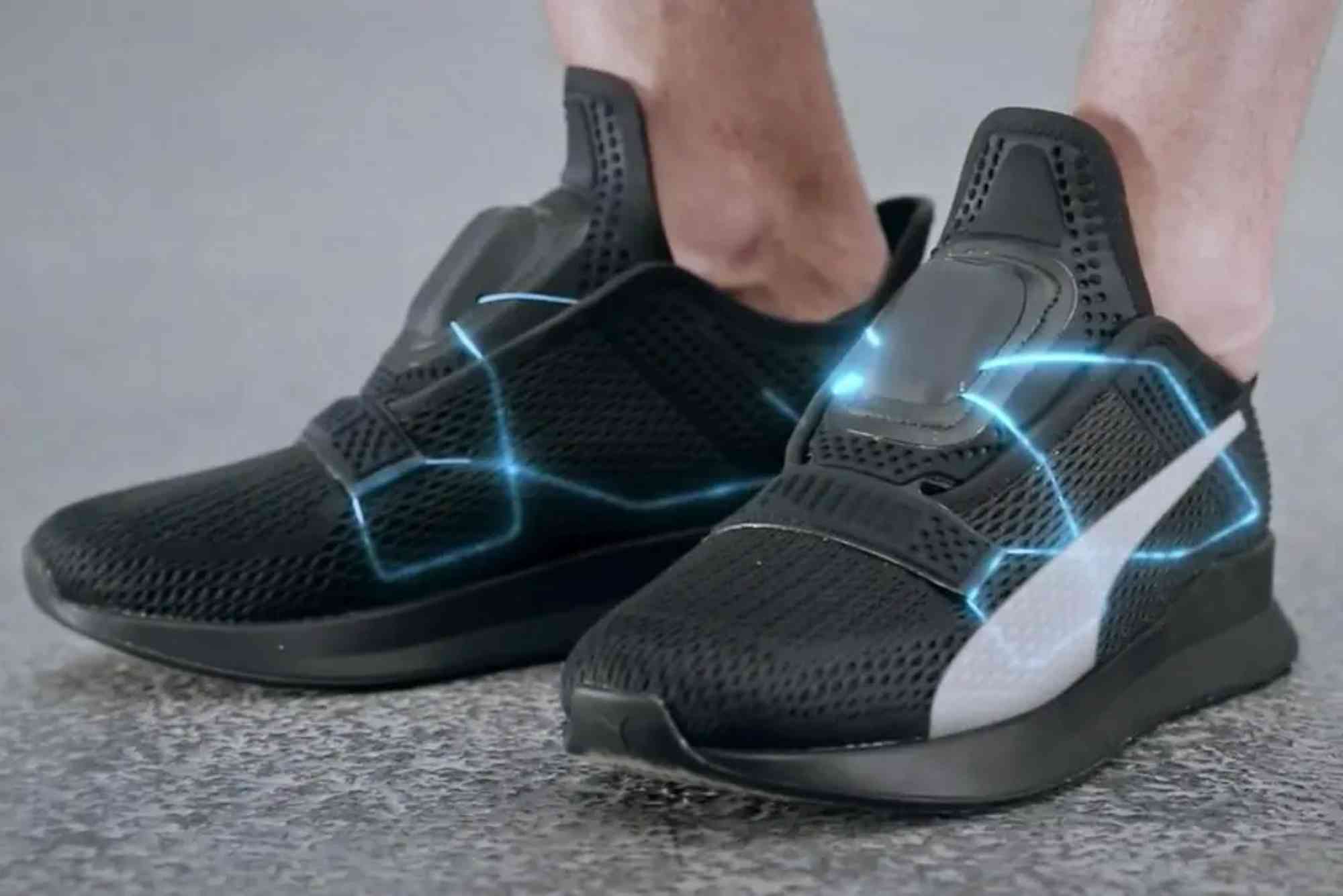
Technology integration into footwear was not just a futuristic dream. In 2019, smart shoes became a reality for many consumers. Built-in sensors and connectivity features allowed wearers to track performance, measure stride length, and monitor calorie burn.
Some models even offered self-lacing systems. With the press of a button, shoes adjusted to the foot automatically. This feature was not only convenient but also practical for athletes who needed consistent fit during performance. The self-lacing mechanism was seen as groundbreaking, blending science fiction with daily use.
Although these smart shoes remained premium products, they highlighted the direction of the industry. Footwear was no longer static; it could learn, adjust, and interact with its user. This was one of the most futuristic highlights of the new shoe technology 2019.
Focus on Sustainability
Another significant evolution in 2019 was the industry’s commitment to sustainability. As global awareness of climate change grew, footwear brands responded with eco-friendly innovations. Shoes made from recycled plastics, organic cotton, and plant-based materials entered the market.
This was more than just a marketing move. Companies invested in reducing their carbon footprint through innovative production processes. Some introduced circular systems where worn-out shoes could be returned, recycled, and reborn as new products.
The emphasis on sustainability in 2019 reshaped how consumers viewed footwear. Shoes became part of a larger environmental responsibility. Buyers felt empowered knowing that their choices supported a greener future. This shift laid the groundwork for sustainable fashion trends that continue today.
Customization and Personal Fit
2019 also emphasized personalization. With 3D-printing and modular design, consumers could experience shoes tailored to their unique needs. While not widely available for everyone, this technology demonstrated where footwear was heading.
Custom midsoles allowed runners to get cushioning that matched their gait. People with foot problems could enjoy shoes designed specifically for their arch or pressure points. Personalization meant more than comfort; it offered health benefits and reduced injury risks.
This movement towards customization reflected a growing understanding that one size does not fit all. Instead, footwear could evolve with the individual, adapting to their lifestyle, performance goals, and daily comfort.
Fashion Meets Function
While 2019 focused on performance, style was not forgotten. The new shoe technology 2019 seamlessly blended fashion with innovation. Bold colors, futuristic silhouettes, and minimalistic designs made performance shoes just as appealing off the track as they were on it.
Sneakers became cultural icons. They were worn in boardrooms, schools, and social events, reflecting their growing importance beyond sport. The fusion of function and fashion meant consumers no longer had to choose between performance and style. They could have both.
This blending of utility and design signaled the footwear industry’s evolution from a niche product to a lifestyle essential. Shoes were no longer accessories; they were statements of identity and innovation.
The Role of Biomechanics and Injury Prevention
Another overlooked but crucial development in 2019 was the scientific approach to biomechanics. Shoe designers collaborated with medical experts and sports scientists to understand how the human body interacts with footwear.
Midsoles were shaped to encourage natural motion. Outsoles were engineered for grip and stability on multiple surfaces. Heel counters were reinforced to reduce overpronation. These biomechanical insights helped reduce injuries among runners and athletes.
Consumers benefited as well. Even those who did not train professionally experienced shoes that supported healthy posture and reduced joint strain. This advancement highlighted how new shoe technology 2019 was about protecting health as much as enhancing performance.
The Legacy of 2019 Innovations
Looking back, 2019 was a turning point in footwear history. It was a year when shoes became smarter, lighter, and more sustainable. From advanced cushioning to eco-friendly materials, every innovation served a clear purpose.
The legacy of new shoe technology 2019 continues today. Many of the trends introduced that year—such as sustainability, personalization, and smart features—still guide current footwear design. For consumers, it meant more choices, better comfort, and a deeper connection to their shoes.
As the industry continues to evolve, the lessons from 2019 remain relevant. Footwear is no longer just about covering the foot. It is about enhancing life, performance, and the planet.
Call to Action: If you’re passionate about footwear innovation, explore how today’s shoes carry the spirit of 2019 forward. Discover models that prioritize comfort, performance, and sustainability, and step into the future with every stride.
Frequently Asked Questions
What shoe technology was new in 2019?
The biggest advances included energy-returning cushioning, lightweight knit uppers, smart features like self-lacing systems, and eco-friendly materials.
Why was 2019 important for shoe innovation?
It marked the year when performance technology, sustainability, and smart design converged, creating a new standard in footwear.
Did smart shoes become popular in 2019?
Yes, smart shoes with sensors and self-lacing features gained attention, though they were mainly premium products at the time.
How did sustainability influence shoe design in 2019?
Brands introduced recycled and plant-based materials, along with processes that reduced waste, making eco-friendly shoes a mainstream option.
What lasting impact did 2019 shoe technology have?
Many trends from 2019—such as lightweight materials, sustainability, and customization—still influence how shoes are designed today.