
Introduction
Traveling is one of life’s greatest joys, but it often disrupts daily eating habits. Long flights, road trips, and sightseeing adventures can make it difficult to find nutritious food on the go. Gas stations and airport kiosks usually tempt travelers with chips, candy bars, and sugar-loaded drinks, leaving many feeling sluggish instead of energized. Packing healthy snacks while traveling is the smartest way to stay fueled, satisfied, and ready to enjoy every moment of the journey.
When chosen carefully, snacks can do more than keep hunger away. They can provide lasting energy, support digestion, balance mood, and even strengthen immunity during long trips. This guide explores practical options for healthy snacks you can pack in advance, how they benefit your body, and why thoughtful preparation makes all the difference while traveling.
Why Healthy Snacks Matter on the Road
Snacking during travel isn’t just about avoiding hunger. When the body lacks steady nourishment, it can become fatigued, dehydrated, and prone to irritability. Choosing nutritious options provides sustained energy instead of sudden sugar crashes. Healthy snacks also help maintain blood sugar levels, which is particularly important when time zones shift or meal schedules are disrupted.
Another reason snacks matter is convenience. Travel days are unpredictable—flights may be delayed, highways may be congested, and local restaurants may not offer food that suits your needs. Having your own stash ensures you always have access to safe and nourishing choices. For families with children, healthy snacks also reduce the chances of meltdowns caused by hunger or excess sugar intake.
Essential Qualities of Healthy Travel Snacks
Not all snacks are equal, especially when it comes to travel. The best snacks combine convenience with nutrition. They should be easy to carry, resistant to spoilage, and packed with vitamins, minerals, fiber, or protein. Ideally, they also support hydration and digestion, which are both critical when spending long hours sitting on planes, buses, or cars.
Portable snacks should also be versatile enough to fit different preferences and dietary needs. Some people crave something crunchy, while others prefer something sweet or filling. By preparing a variety, you can avoid the temptation of unhealthy convenience foods and keep your body balanced throughout the journey.

Nutritious Snacks That Travel Well
Protein-Packed Choices
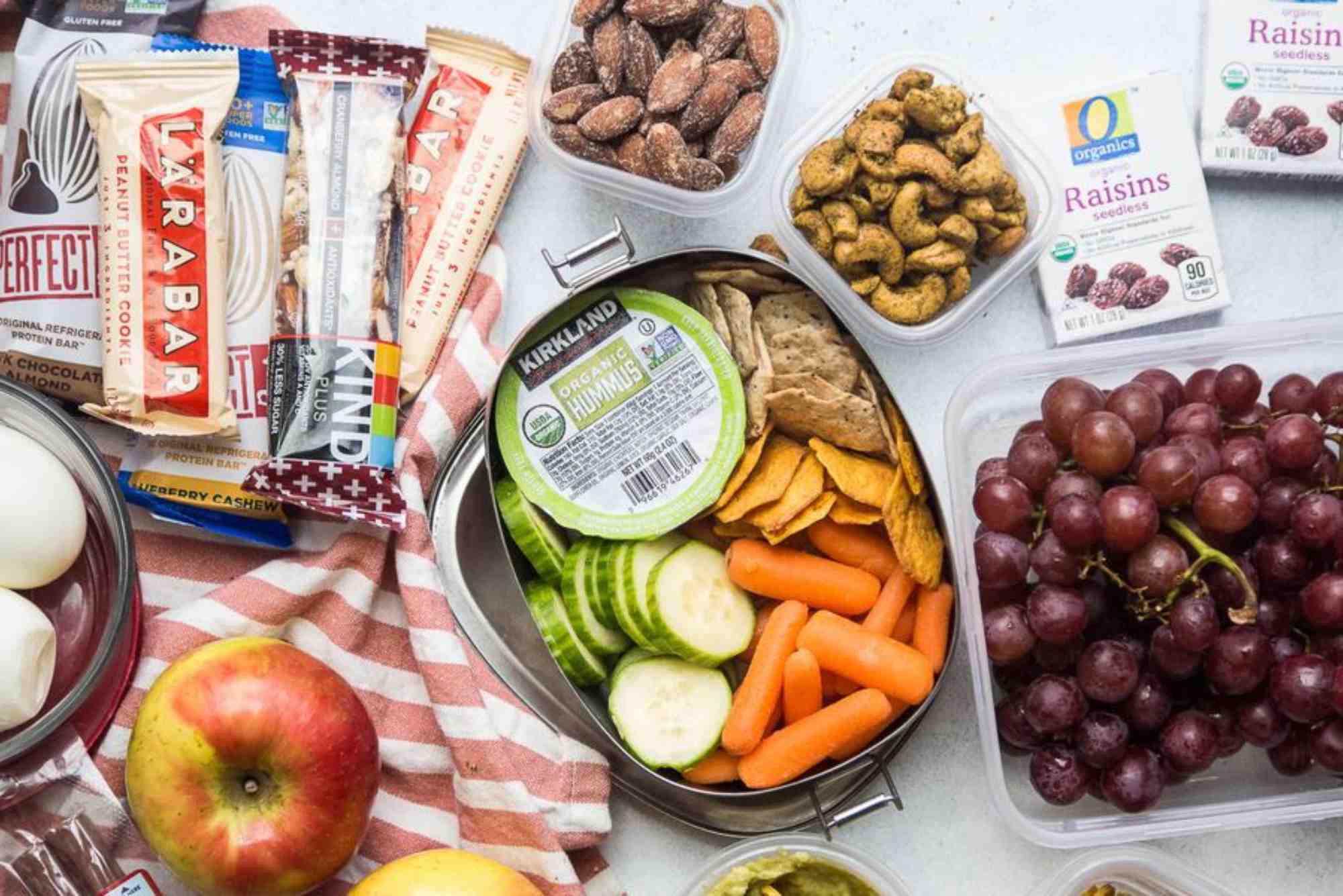
Protein is essential while traveling because it helps stabilize hunger and maintain energy levels. Unlike sugary treats that provide quick bursts of energy followed by a crash, protein-based snacks keep you fuller for longer. Options such as roasted chickpeas or unsalted nuts are lightweight, non-perishable, and provide valuable nutrients like magnesium, vitamin E, and healthy fats. For those who prefer something more substantial, homemade wraps made with whole grains and lean fillings can be prepared ahead of time and enjoyed on shorter trips.
Fiber-Rich Options
Digestive issues are common while traveling, especially when routines and time zones shift. That is why fiber is a crucial component of healthy travel snacks. Foods high in fiber help regulate digestion and prevent discomfort like bloating or constipation. Simple choices such as fresh fruit, whole-grain crackers, or veggie sticks not only provide fiber but also deliver essential vitamins and hydration. Apples, pears, or carrot sticks, for example, can withstand hours in a travel bag without losing their freshness.
Naturally Sweet Alternatives
It is normal to crave sweets during long trips, but sugary candies and pastries often lead to energy crashes. Naturally sweet snacks satisfy cravings without harming health. Dried fruits such as apricots, raisins, or figs are compact sources of natural sugars, antioxidants, and minerals. When paired with a protein source like almonds, they provide a balanced snack that fuels the body for hours. Dark chocolate in moderation is another excellent option, as it contains antioxidants and can enhance mood during stressful travel days.
Hydration-Friendly Choices
Many travelers forget that dehydration can be just as exhausting as hunger. Hours in air-conditioned planes or hot cars can quickly drain the body of fluids. Snacks with high water content, such as cucumbers, oranges, or grapes, can provide both refreshment and hydration. Pairing them with water-rich drinks like herbal teas or simply carrying a refillable water bottle ensures hydration is not overlooked.
Preparing Snacks Before Traveling
One of the best strategies for enjoying healthy snacks while traveling is preparation. Setting aside time before the trip to pack your own food not only ensures better quality but also saves money compared to buying overpriced items at airports or gas stations.
When preparing, consider packaging snacks in reusable containers or resealable bags to maintain freshness. Dividing portions also helps avoid overeating, especially when long hours of sitting make it easy to snack mindlessly. Storing perishable items in insulated bags with ice packs can keep them safe for several hours, making fresh options possible even during longer journeys.
Benefits of Packing Your Own Snacks
Carrying your own healthy snacks brings peace of mind. Instead of worrying about whether the next stop will offer suitable food, you have everything you need within reach. This reduces stress and makes travel more enjoyable.
It also empowers travelers to stay consistent with their lifestyle. For those following specific diets—such as gluten-free, vegan, or low-sugar diets—having pre-packed snacks prevents the frustration of limited options. Beyond practicality, preparing healthy snacks demonstrates mindfulness, turning travel into an experience that supports rather than harms overall well-being.
FAQs About Healthy Snacks While Traveling
What are the best snacks to carry on a plane?
Snacks that are non-perishable, compact, and high in nutrition are ideal for planes. Options like nuts, whole-grain crackers, and dried fruit are easy to pack and allowed through security in most regions.
How do I keep snacks fresh during long trips?
Use airtight containers or resealable bags for dry snacks. For perishable foods, an insulated cooler bag with ice packs works well. Avoid overly messy or smelly foods, especially for air travel.
Can I bring fresh fruit through airport security?
In most cases, fresh fruit is allowed through domestic security checks. However, international flights often restrict fresh produce due to agricultural regulations, so always check before traveling.
How do I avoid overeating snacks while traveling?
Portioning snacks before the trip helps. Instead of carrying one large bag of nuts or chips, divide them into smaller servings. Drinking water also helps control unnecessary snacking.
Are homemade snacks better than store-bought options?
Homemade snacks give you control over ingredients, making them healthier and fresher. However, some packaged snacks labeled organic or low-sugar can also be convenient choices. The key is to check nutrition labels and choose wisely.
Traveling should never mean sacrificing health or energy. By planning ahead and packing healthy snacks while traveling, you gain control over your nutrition, avoid overpriced junk food, and feel more energized throughout your trip. From protein-rich options to naturally sweet treats, the right snacks not only satisfy cravings but also support hydration, digestion, and overall well-being.
The next time you plan a road trip or board a plane, take a few minutes to prepare nourishing snacks. Your body will thank you with greater energy, better mood, and fewer travel-related discomforts. Start small, experiment with your favorite options, and make healthy snacking a natural part of every journey.