
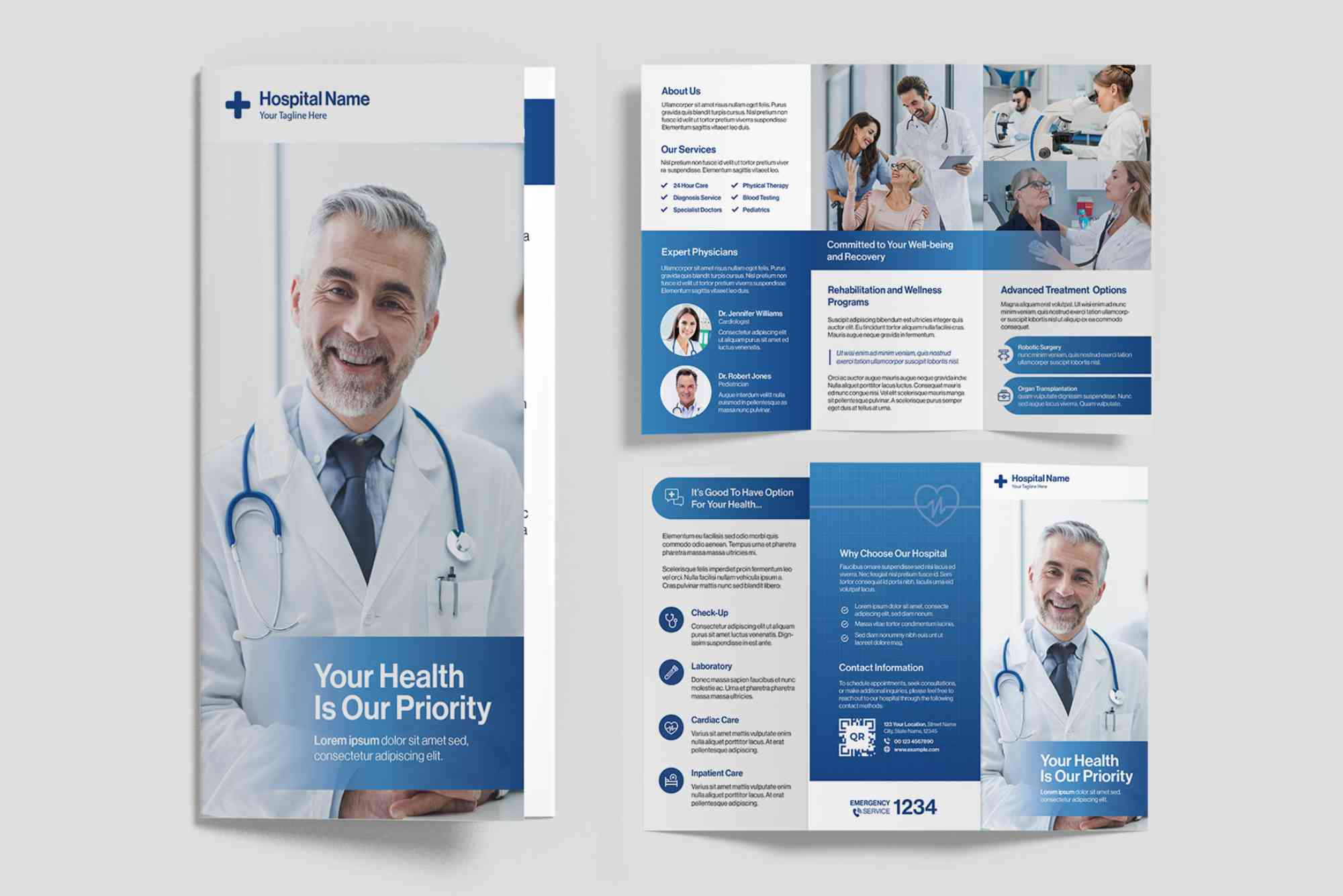
Free Health and Safety Templates for Businesses
Health and safety are critical components of every successful workplace. Regardless of the industry, employers are responsible for protecting employees, visitors, and contractors from risks that could harm their well-being. To help meet these obligations, businesses often rely on structured documentation like risk assessments, safety checklists, incident reports, and training logs. Fortunately, many of these documents are available as free health & safety templates.
In this article, we’ll explore the importance of these templates, where to find them, how to use them, and why they’re essential for regulatory compliance and employee protection. Whether you’re a small startup or a large enterprise, using standardized health & safety templates can streamline your processes and ensure you’re always audit-ready.
Why Businesses Need Health & Safety Templates
Health & safety templates offer a structured approach to hazard identification, risk management, emergency planning, and training documentation. They save time, eliminate guesswork, and ensure that key legal requirements are met. When safety protocols are properly documented, businesses can easily demonstrate compliance during inspections, respond efficiently to incidents, and cultivate a safety-focused culture.
Templates also minimize inconsistencies. Without them, safety policies may vary between departments or teams. A consistent format ensures clarity, professionalism, and efficiency across your organization. This is especially valuable when onboarding new employees or dealing with third-party contractors who need access to your procedures.
Key Types of Health & Safety Templates
There are a variety of health & safety templates available online. Each serves a specific purpose, and together they form a complete safety management system.
Risk Assessment Templates
Risk assessments are one of the most fundamental safety tools. A risk assessment template guides you through identifying hazards, evaluating the likelihood of harm, and implementing controls. Most templates include columns for listing tasks, associated risks, existing measures, and actions required.

Risk assessment templates are especially useful for industries like construction, manufacturing, logistics, and healthcare, where job roles involve physical or chemical hazards.
Safety Policy Templates
Every business should have a written health & safety policy, especially if it employs five or more people. A good safety policy template provides a framework for outlining the company’s general commitment to health and safety, as well as specific responsibilities assigned to managers, supervisors, and employees.
These templates often include sections on hazard reporting, emergency procedures, PPE use, and safety training.
Incident Report Templates
Accidents happen, but how businesses respond makes all the difference. An incident report template ensures that every detail is captured after an event, including the time, location, people involved, and description of what happened.
Proper documentation is crucial not only for legal reasons but also to investigate root causes and prevent future incidents.
Training Record Templates
Training is a legal requirement in many sectors. Templates for health & safety training records help you track what courses each employee has completed, when they were trained, and when retraining is due.
This documentation becomes vital when proving compliance to health and safety authorities or insurance providers.
Safety Inspection Checklists
Regular workplace inspections can uncover hazards before they cause harm. Safety checklist templates ensure no area or process is overlooked. They typically include items related to housekeeping, fire exits, electrical safety, equipment checks, and more.
A well-designed checklist allows inspectors to document findings, note required actions, and assign responsibility for follow-up.
Emergency Planning Templates
Emergency preparedness is non-negotiable. Templates for emergency response plans help organizations prepare for fires, chemical spills, medical emergencies, and natural disasters.
These templates ensure that evacuation procedures, contact lists, assembly points, and emergency roles are clearly documented and accessible to all staff.
Benefits of Using Free Health & Safety Templates
Implementing health & safety templates comes with many advantages, especially for small businesses with limited resources.
They significantly reduce the time needed to create documents from scratch. By starting with a professionally designed format, you can focus on tailoring the content to suit your operations.
Templates are typically based on best practices and current legislation, helping ensure compliance with local safety laws. This is especially important in regions like the UAE, UK, or US, where safety regulations are detailed and enforced.
Another major benefit is that templates improve internal communication. When every employee understands the structure and expectations of your safety system, it’s easier to build a shared commitment to safe work practices.
Where to Find Free Health & Safety Templates
Many reputable sources offer downloadable health & safety templates at no cost. These include government websites, industry associations, nonprofit organizations, and training providers.
In the UK, the Health and Safety Executive (HSE) offers free templates for risk assessments, accident records, and safety policies.
In the US, OSHA doesn’t always provide templates directly, but many affiliated organizations and state-level programs do.
Safety training platforms and workplace compliance software companies also share downloadable PDFs and Word documents as part of their marketing or educational outreach.
Before downloading a template, make sure it aligns with your local regulations and is adaptable to your specific industry needs.
How to Customize Templates for Your Business
While templates provide a starting point, customization is essential. No two businesses are alike, and your safety documents should reflect your specific risks, work environments, and operational procedures.
Begin by replacing any placeholder text with accurate company details. Adjust terminology to match your industry. For example, a construction company will need different safety controls than a dental clinic.
If a template includes irrelevant sections, feel free to remove or modify them. At the same time, ensure that all mandatory safety elements, such as emergency contacts or reporting timelines, remain present.
Consult your internal safety officer or hire a consultant if you’re unsure how to adapt a template correctly.
Digital vs. Printable Templates: What’s Best?
Both digital and printable health & safety templates have their place in modern businesses.
Digital templates, often in Excel, Word, or Google Docs format, are easier to update and share across teams. They can be stored in the cloud for easy access and backup.
However, for industries that operate in the field or on construction sites, printable forms are often more practical. Workers can carry hard copies and fill them out on-site, especially during inspections or audits where devices may not be allowed.
Many companies now use a hybrid model, offering both digital logs and printable versions to maximize flexibility and compliance.
Legal and Regulatory Considerations
Health and safety documentation isn’t just a best practice — in most regions, it’s a legal requirement. Failing to maintain proper safety records can result in fines, work stoppages, or even legal action in the event of a serious incident.
Using verified and up-to-date health & safety templates helps businesses stay compliant. Make sure to regularly review your documentation and update it in line with legislative changes, operational shifts, or lessons learned from past incidents.
Encouraging Employee Involvement
Templates are only effective if employees use them correctly. That’s why training, communication, and leadership involvement are key.
Provide guidance on how to fill out each form. Use examples and offer refresher training sessions. Encourage feedback from frontline staff who often have the most insight into daily risks.
When employees see that their input is valued and that safety processes actually work, they’re more likely to take the initiative in using safety templates.
Implementing free health & safety templates is one of the easiest ways to boost your company’s safety culture, meet legal obligations, and reduce risks.
These tools provide structure, consistency, and peace of mind. More importantly, they show that your business values its people.
Now is the perfect time to download and customize the templates that best fit your operations. Start with risk assessments and safety policies, then expand to training logs, emergency plans, and inspection checklists.
FAQ
What should a health and safety template include?
A health & safety template should include key components such as hazard identification, control measures, responsibilities, and review dates. Depending on the document type, it may also include sections for training records, emergency contacts, or incident narratives.
Where can I get free health and safety templates?
You can find free health & safety templates on government websites like HSE (UK), industry associations, safety consultancy blogs, and training providers’ resources pages. Always check that they are up to date and relevant to your country’s regulations.
Do small businesses need health & safety templates?
Yes, small businesses are legally required to manage health and safety risks. Templates make this process easier and more consistent. They help even the smallest teams stay compliant and avoid costly accidents.
Can I use these templates in the UAE?
Absolutely, but you must ensure the templates align with UAE labor laws and the General Civil Aviation Authority (GCAA), if applicable. Customize them based on local legislation, especially if you operate in high-risk sectors.