
What is Health Education and Why Is It Important?
Health education is more than just teaching about illness prevention—it’s about empowering individuals to make informed health decisions for life. In a world filled with constant health challenges, from chronic diseases to mental wellness, health education plays a critical role in improving public well-being.
In this article, we’ll explore what health education really means, why it’s important in every stage of life, and how it creates lasting change. Whether you’re a student, parent, professional, or policymaker, understanding this topic can help shape a healthier future.
What is Health Education?
Health education is the process of teaching individuals and communities how to achieve better health through knowledge, skills, and motivation. It aims to promote wellness, prevent disease, and support informed decision-making in everyday life.
Unlike general health information, health education is systematic. It often involves schools, healthcare providers, government agencies, and non-profits working together to create programs and materials tailored to specific populations.
Key Elements of Health Education
- Accurate and evidence-based information
- Age-appropriate and culturally sensitive material
- Practical tools for behavior change
- Skills development for personal and community health
Why Is Health Education Important?
Understanding the importance of health education begins with looking at the outcomes. Healthier individuals mean stronger, more productive communities. Here’s why it matters:
Promotes Healthy Habits
Health education encourages good nutrition, physical activity, hygiene, and stress management. These habits reduce the risk of lifestyle-related diseases such as obesity, diabetes, and heart disease.

Reduces Healthcare Costs
Preventive education lowers the burden on healthcare systems. People who understand how to manage their health are less likely to need expensive treatments or emergency care.
Empowers Individuals and Communities
Informed individuals can make better choices. For example, teens educated about sexual health are less likely to engage in risky behavior. Communities educated about sanitation see fewer outbreaks of disease.
Improves Mental Health
Mental wellness is often overlooked. Through health education, people learn to recognize mental health issues early and seek help without stigma.
Supports Lifelong Learning
Health is a lifelong journey. Education evolves with life stages—from childhood to aging adults—covering topics like reproductive health, parenting, aging, and chronic disease management.
The Goals of Health Education
The ultimate goal is to foster self-efficacy—confidence in managing one’s health. Other goals include:
- Promoting behaviors that enhance health
- Increasing knowledge about health issues
- Reducing health disparities
- Building healthy public policy awareness
- Encouraging community action
Where Health Education Happens
Effective health education isn’t limited to schools. It takes place in various settings that target different age groups and health concerns.
Schools
Schools are the foundation of health education for children and teens. They provide structured lessons on physical health, nutrition, mental wellness, substance abuse, and more.
Workplaces
Employee wellness programs offer adult education on managing stress, maintaining work-life balance, and preventing burnout or chronic conditions.
Healthcare Settings
Doctors, nurses, and counselors provide health education during checkups, prenatal visits, or chronic disease consultations.
Community Centers
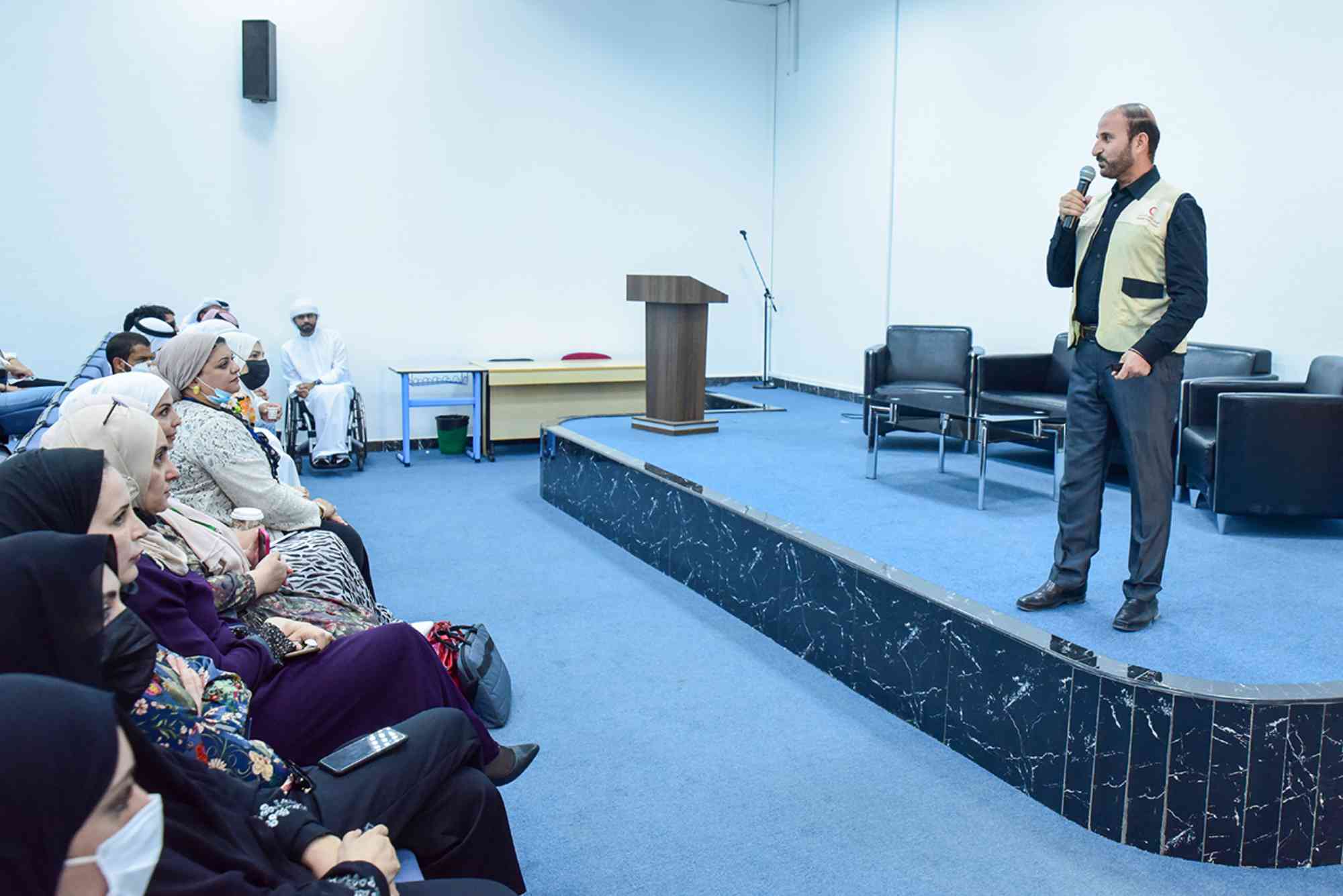
Local organizations run health workshops on topics like parenting, addiction, or elderly care—making health literacy more accessible.
Types of Health Education Programs
Depending on the audience, the format and goals vary. Here are common types:
School-Based Programs
These are often part of the core curriculum, teaching students about hygiene, drug prevention, nutrition, and emotional health.
Public Awareness Campaigns
Mass media campaigns raise awareness about issues like smoking, vaccinations, or safe driving.
Clinical Education
This includes one-on-one counseling or group sessions provided by healthcare professionals.
Community Outreach
Programs designed for specific populations such as seniors, immigrants, or at-risk youth. Topics may include disease prevention, maternal health, or access to healthcare.
How Health Education Influences Society
Breaks the Cycle of Poor Health
Children raised in informed households are more likely to grow into healthy adults. This breaks the intergenerational cycle of poor health outcomes.
Encourages Policy Change
Educated communities advocate for cleaner environments, better healthcare services, and more inclusive public health policies.
Reduces Stigma
Educating people about mental illness, HIV/AIDS, or addiction reduces discrimination and encourages treatment.
Builds Resilience
People equipped with accurate knowledge can better manage stress, adapt to change, and support others in their communities.
Real-World Example: How Health Education Saves Lives
In rural India, a health education program on handwashing and sanitation led to a 25% drop in diarrheal diseases. Similarly, anti-smoking campaigns in the U.S. have significantly decreased smoking rates over the past few decades.
Even in developed nations, health literacy challenges persist. According to the World Health Organization (WHO), poor health literacy is linked to higher hospitalization rates and less frequent use of preventive services.
Health Education in the Digital Age
Online Learning Platforms
Digital platforms like CDC’s Health Literacy site offer accessible resources for public use, from pandemic response to chronic disease management.
Social Media Influence
Platforms like YouTube and Instagram can spread both credible and misleading health content. This underscores the need for media literacy as part of modern health education.
Telehealth Integration
As telehealth grows, health professionals must ensure patients understand their health status, medications, and follow-up steps—making education vital in virtual care.
FAQs About Health Education
What are the five key areas of health education?
The five main focus areas are physical health, emotional health, social health, intellectual health, and environmental health.
What is the role of a health educator?
A health educator designs and delivers health programs, develops materials, trains professionals, and evaluates program effectiveness.
How can schools improve health education?
By updating the curriculum, involving parents, using interactive methods, and addressing mental health, schools can enhance program outcomes.
Is health education effective?
Yes. Studies show that health education can improve behavior, reduce health risks, and promote early detection of diseases.
What’s the difference between health education and health promotion?
Health education focuses on learning and knowledge-sharing, while health promotion includes policy, environment changes, and advocacy efforts.
Investing in Health Education Builds a Healthier Future
Health education is not just a public service—it’s a necessity. It empowers individuals, strengthens communities, and shapes policy. Informed people live healthier, longer, and more productive lives.
As the world faces evolving health challenges, from pandemics to mental health crises, the need for clear, accessible education is greater than ever.