
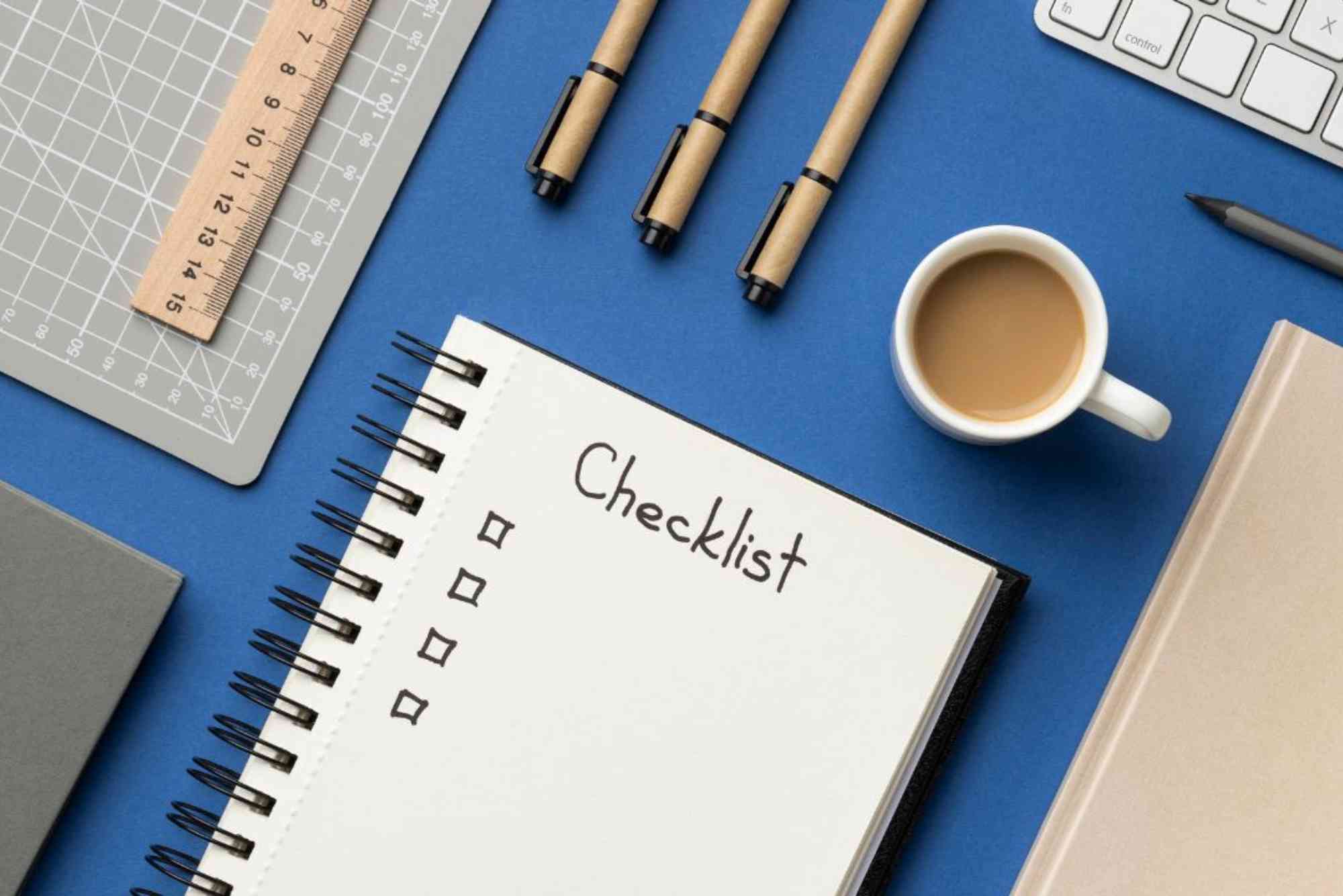
Health Assessment Checklist for Daily Wellness
Maintaining daily wellness doesn’t have to be complicated. By using a structured health assessment checklist, you can build a routine that supports physical, mental, and emotional well-being. This simple yet powerful habit allows you to catch early signs of imbalance and stay aligned with your health goals. Whether you’re focused on general wellness or managing a specific condition, a daily checklist helps you stay accountable and aware.
Daily self-checks empower you to recognize patterns, respond to symptoms early, and make informed decisions. It’s not just about reacting to illness—it’s about being proactive in maintaining balance. In this article, we’ll break down the components of an effective health assessment checklist, explore why it’s essential, and guide you on how to build one that suits your lifestyle.
Why You Need a Health Assessment Checklist
Health is multidimensional. It includes physical condition, emotional stability, mental sharpness, sleep quality, hydration, nutrition, and stress levels. A health assessment checklist ensures you’re paying attention to each area daily. It’s especially useful if you’re managing chronic conditions, healing from illness, or working toward personal health goals.
With fast-paced routines, it’s easy to overlook signs your body gives you. Headaches, mood swings, fatigue, or changes in appetite can signal something bigger. A structured checklist allows you to document and review these changes over time, supporting more accurate communication with your healthcare provider if needed.
Components of an Effective Health Assessment Checklist
Every checklist should be personalized, but certain core areas should be evaluated every day. These include physical health indicators, mental and emotional well-being, daily habits, and lifestyle choices.
Physical Health Indicators
Start by tuning into your body. Physical symptoms are often the most immediate clues that something is off. Daily questions to ask yourself might include:

- How do I feel physically today?
- Did I sleep well and for enough hours?
- Am I experiencing pain, discomfort, or unusual symptoms?
- Have I noticed any changes in weight, energy, or digestion?
These observations help track early signs of fatigue, illness, or nutritional deficiencies. Logging your findings can reveal patterns like ongoing inflammation or dehydration.
Mental and Emotional Well-being
Your mental and emotional states are just as important as physical health. Mood swings, anxiety, or feelings of burnout can significantly affect overall well-being. Evaluate your mental state with these prompts:
- What is my current mood?
- Did I experience moments of anxiety or depression today?
- Was I able to concentrate on tasks?
- Did I feel motivated and positive overall?
Use a simple scale from 1 to 5 to rate your mood or mental clarity. Over time, these records offer insight into how external factors—like work stress or diet—affect your emotional health.
Nutritional Intake
What you eat has a direct impact on how you feel. A daily nutrition check ensures you’re nourishing your body with what it needs.
- Did I eat three balanced meals?
- Did I consume enough fruits, vegetables, and protein?
- Did I avoid excessive sugar or processed foods?
- How many glasses of water did I drink?
Proper hydration and clean nutrition form the base of sustainable health. Logging your meals doesn’t have to be complex—a few bullet points can suffice.
Movement and Activity
Staying physically active is vital for metabolism, circulation, and mental clarity. Your checklist should include activity tracking:
- Did I engage in at least 30 minutes of movement?
- What kind of exercise did I do today (walking, yoga, cardio)?
- Did I spend too much time sitting?
- How did my body feel during and after the activity?
Even light movement like stretching counts. What matters is building consistency and awareness.
Stress and Mindfulness
Unchecked stress accumulates silently. Incorporating mindfulness practices or stress awareness can balance your emotional landscape.
- Was I stressed or overwhelmed at any point today?
- Did I practice mindfulness, deep breathing, or journaling?
- Did I take breaks from screens or work?
Recognizing your triggers helps you manage them better. You can also explore which mindfulness techniques work best for you and log their effects.
Sleep Quality
Sleep is often sacrificed in busy lifestyles, yet it’s critical to healing and regeneration. Evaluate your rest each day:
- How many hours did I sleep?
- Was my sleep deep or interrupted?
- Did I wake up feeling rested?
- What time did I go to bed and wake up?
Consistently poor sleep is a red flag for deeper health issues. A sleep log helps you connect rest patterns with mood, energy, and diet.
Hygiene and Self-care
Daily hygiene and self-care practices also contribute to physical and emotional well-being.
- Did I shower, brush my teeth, and groom myself?
- Did I do something for relaxation or enjoyment?
- Did I take any prescribed medications or supplements?
This simple evaluation helps you stay consistent with routines that often get overlooked during busy days.
How to Use the Health Assessment Checklist
The key to success is simplicity and consistency. Choose a time—preferably in the evening—to fill out your checklist. It can be digital, handwritten, or even tracked with an app. Don’t aim for perfection. Instead, look for trends and small shifts. Are your headaches becoming more frequent? Are your mood scores declining on weekends? These patterns help you prevent problems before they escalate.
You can also modify your checklist depending on your health priorities. For example, if you’re managing diabetes, include blood sugar monitoring. If you’re recovering from surgery, assess pain and healing. Over time, your checklist becomes a personal health journal.
Benefits of a Daily Health Assessment Routine
A consistent health check routine enhances your self-awareness and accountability. You begin to recognize how daily choices affect your body and mind. This can lead to:
- Early detection of health issues
- Better communication with healthcare providers
- More effective lifestyle adjustments
- Improved stress management and sleep
- Stronger emotional resilience
By checking in with yourself daily, you’re more likely to stay proactive than reactive. It’s a simple but profound shift toward long-term wellness.
Tools and Resources to Support Your Checklist
You can use tools to make tracking easier. Journals, mobile apps, spreadsheets, or printed templates all work. Some helpful apps include:
- MyFitnessPal for nutrition and hydration
- Moodfit for mental health tracking
- Sleep Cycle for rest patterns
- Google Keep or Notion for custom templates
What matters most is that the tool you choose fits your lifestyle and is easy to maintain.
Make Health Your Daily Habit
Wellness isn’t a one-time goal—it’s a daily practice. A health assessment checklist gives you the structure to stay on track with your health, tune into your body, and build habits that last. Even five minutes a day can make a significant difference in how you feel and function. Start with a few core questions and expand as you go.
Your health is your greatest investment. Make it a priority today, not just when something goes wrong.
FAQs
What is included in a health assessment checklist?
A health assessment checklist typically includes daily checks on physical symptoms, mental state, sleep, nutrition, activity levels, hydration, and stress. It helps monitor overall wellness and spot early warning signs.
How can I make a simple health checklist for daily use?
Start by listing 5–7 key areas like mood, energy, hydration, diet, movement, and sleep. Use a journal or app to rate or describe each one briefly. Keep it simple to ensure consistency.
How often should I use a health assessment checklist?
Daily use is recommended for the best results, especially for those managing chronic conditions or working on long-term wellness. Consistency helps track patterns and make informed changes.
Can a health checklist help with mental health tracking?
Yes, including questions about mood, focus, anxiety, and mindfulness activities helps you track emotional well-being. It also helps detect patterns that might require professional attention.
Is there a printable health assessment checklist available?
Yes, many wellness websites offer downloadable templates. You can also create your own tailored checklist using tools like Google Docs or Notion for personal tracking.