Gulf Exchange Rate Today – GCC Currency Update
The Gulf region, often referred to as the GCC (Gulf Cooperation Council), plays a vital role in global finance and trade. Millions of expatriates from South Asia, Africa, and other regions rely on the Gulf exchange rate today to send money home. With the GCC countries being central hubs for oil, gas, business, and labor markets, understanding daily currency fluctuations is not just useful but essential. Whether you are an investor, a business owner, or an overseas worker, staying informed about the exchange rate helps you make smarter financial decisions.
Importance of Tracking the Gulf Exchange Rate Today
The Gulf exchange rate today directly impacts cross-border transactions, remittances, and business trade. Since GCC countries like Saudi Arabia, UAE, Qatar, Oman, Bahrain, and Kuwait are home to millions of expatriates, their economies see huge volumes of daily foreign exchange. Exchange rate movements influence how much money families receive back home, how much importers spend on foreign goods, and even how investors calculate returns.
For example, a worker in Dubai who sends 1,000 AED to Pakistan will find that even a slight shift in the exchange rate can mean a difference of several hundred rupees. Similarly, companies importing goods from Europe or Asia carefully watch currency movements to manage costs. This is why staying updated with the Gulf exchange rate today has become a daily priority for many.
Factors Influencing the Gulf Exchange Rate
Understanding what affects GCC currency exchange rates helps in predicting future movements. The first and most influential factor is the U.S. dollar. Most GCC currencies are pegged to the dollar, meaning their value is tied closely to it. When the U.S. dollar strengthens, expatriates sending money to countries with weaker currencies often get fewer returns.
Oil prices also play a huge role. Since Gulf economies are heavily dependent on oil exports, fluctuations in crude oil prices influence investor confidence and currency values. Political stability, global trade tensions, and monetary policies of central banks also contribute.
Additionally, inflation rates, tourism revenue, and government spending projects in the GCC can shift supply and demand for local currencies. When foreign investment increases, GCC currencies may strengthen. On the other hand, when global markets face uncertainty, remittance-dependent countries may see more volatility in exchange rates.

Gulf Exchange Rate Today – Country by Country
Each GCC country has its own currency, and understanding the daily exchange rates of each helps in making better financial choices.
UAE Dirham (AED)
The UAE Dirham is among the most stable currencies in the world because it is pegged to the U.S. dollar. This peg means that for expatriates sending money from Dubai or Abu Dhabi, the exchange rate movements mainly depend on the dollar’s global strength. The Gulf exchange rate today for the Dirham remains predictable, which benefits both businesses and workers.
Saudi Riyal (SAR)
The Saudi Riyal, like the Dirham, is pegged to the U.S. dollar. With Saudi Arabia being the largest economy in the Gulf, the Riyal holds great importance in regional and international trade. For millions of overseas workers, especially from South Asia, the Gulf exchange rate today in Riyals is a daily concern because remittances are a major part of household income back home.
Qatari Riyal (QAR)
Qatar’s economy is driven by natural gas exports, and its currency has been relatively stable. The Qatari Riyal is also pegged to the dollar, giving expatriates confidence in remittance value. However, economic policies and geopolitical developments in the region sometimes influence small fluctuations.
Kuwaiti Dinar (KWD)
The Kuwaiti Dinar is the strongest currency in the world when measured against the dollar. This makes it highly valuable for expatriates who send money abroad. Tracking the Gulf exchange rate today in Kuwaiti Dinar is essential because even small amounts converted into other currencies can result in large returns.
Omani Rial (OMR)
The Omani Rial is another strong currency within the GCC. Its high value is supported by Oman’s oil exports and economic stability. Workers in Oman often benefit from the Rial’s strength when sending remittances.
Bahraini Dinar (BHD)
The Bahraini Dinar is also among the strongest global currencies. With a fixed peg to the U.S. dollar, it provides stability, but its strength makes remittances particularly valuable for expatriates. Watching the Gulf exchange rate today for the Bahraini Dinar helps workers optimize the timing of transfers.
How to Check the Gulf Exchange Rate Today
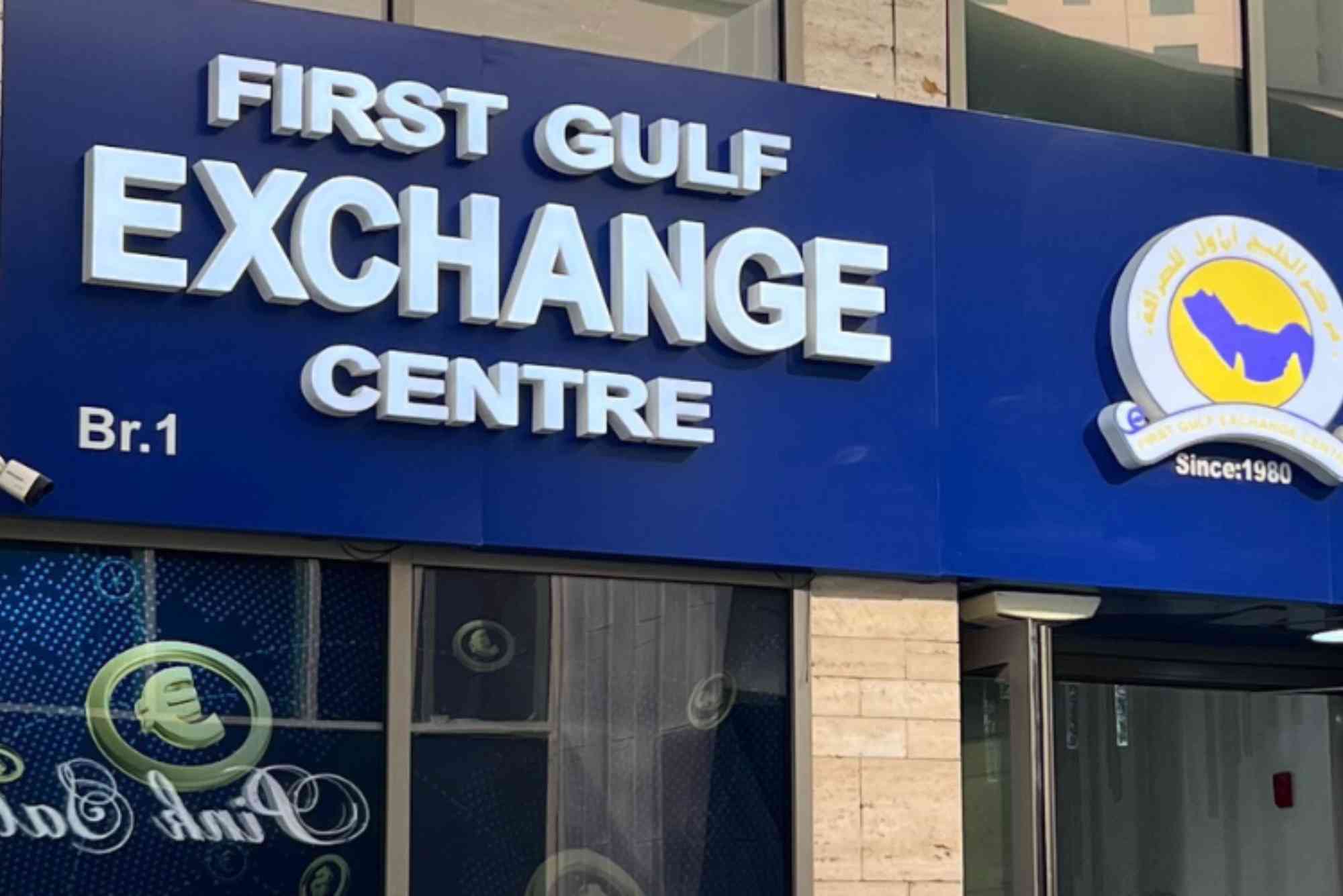
With digital tools, checking the Gulf exchange rate today has never been easier. Banks, exchange houses, and online platforms publish live rates throughout the day. Popular exchange companies like Al Ansari Exchange, Lulu Exchange, and UAE Exchange provide mobile apps with instant updates. Global financial websites and official central bank portals also share rates, but exchange houses may apply slightly different rates due to service charges and transaction margins.
For those sending money home frequently, setting up rate alerts can help. Many apps allow users to receive notifications when rates hit a desired level. This ensures that remittances are sent when the exchange rate is most favorable.
Practical Tips to Get the Best Exchange Rate
While the Gulf exchange rate today is influenced by global factors beyond individual control, there are strategies to maximize returns. Always compare rates across multiple exchange providers before making a transfer. Even small differences add up significantly over time. Timing also matters. If possible, send money when the dollar weakens against your home currency, as this will give you more value.
Consider using digital transfer services that often offer better rates than traditional exchange houses. Some banks also provide loyalty programs or reduced fees for regular transfers. Planning transfers in advance instead of last-minute decisions can also make a big difference.
Gulf Exchange Rate and the Global Economy
The GCC exchange rates have wider implications beyond remittances. Businesses importing machinery, technology, or raw materials monitor the Gulf exchange rate today to plan procurement costs. Exporters also watch currency movements to set competitive prices in international markets.
Foreign investors, particularly in real estate and stock markets, rely on currency stability before making long-term commitments. This stability has helped Gulf countries attract billions in foreign direct investment. The pegged currencies in the GCC provide confidence to international partners, although they sometimes limit flexibility during global financial crises.
Future Outlook for the Gulf Exchange Rate
Looking ahead, the Gulf exchange rate today and in the future will remain influenced by global oil markets, the U.S. dollar’s strength, and regional economic diversification. With initiatives like Saudi Vision 2030 and the UAE’s focus on becoming a digital economy hub, GCC countries are working to reduce dependence on oil. This could gradually affect currency dynamics.
There is also a possibility of greater regional financial integration. Discussions about a common GCC currency have been ongoing for years, though no official launch has occurred yet. If implemented, a unified currency could reshape how the Gulf exchange rate today is calculated and used in trade and remittances.
Frequently Asked Questions
What is the Gulf exchange rate today?
The Gulf exchange rate today refers to the current value of GCC currencies such as AED, SAR, QAR, KWD, OMR, and BHD against foreign currencies.
Why are Gulf currencies pegged to the U.S. dollar?
Most Gulf currencies are pegged to the dollar to maintain stability, attract investors, and reduce the impact of market volatility.
Which Gulf currency is the strongest?
The Kuwaiti Dinar (KWD) is currently the strongest currency in the Gulf and globally, followed by the Bahraini Dinar (BHD) and Omani Rial (OMR).
How often do exchange rates change in the Gulf?
Rates can change daily based on global market conditions, but pegged currencies mean changes are usually tied to the dollar’s movements.
Where can I find live Gulf exchange rates?
You can check live Gulf exchange rates through banks, exchange houses, mobile apps, and financial websites that track currency markets.
Stay Ahead with Gulf Exchange Rate Today
The Gulf exchange rate today is not just a number. It is a financial lifeline for millions of expatriates and a crucial factor in business planning. From stable currencies like the Dirham and Riyal to strong global players like the Kuwaiti Dinar, GCC exchange rates shape how money flows across borders. Staying informed ensures smarter remittances, better business strategies, and more effective financial planning.
If you regularly send money, trade internationally, or simply want to maximize your financial outcomes, keep checking the Gulf exchange rate today. Reliable updates empower you to make better choices. Take action now, compare rates before every transfer, and secure the best possible value for your money.