FRCOPHTH Exam Preparation and Success Strategy
The FRCOPHTH exam is one of the most prestigious qualifications in ophthalmology. Designed by the Royal College of Ophthalmologists (RCOphth), it evaluates a candidate’s theoretical knowledge, clinical skills, and practical competence. For medical professionals aiming to advance their careers in ophthalmology, achieving success in the FRCOPHTH exam marks a significant milestone. However, this exam demands consistent preparation, strategic planning, and a clear understanding of its structure. In this comprehensive guide, we will explore the best FRCOPHTH exam preparation methods, effective study techniques, and proven success strategies to help you achieve outstanding results.
Understanding the FRCOPHTH Exam
Before diving into preparation, it’s crucial to understand the structure and purpose of the FRCOPHTH exam. The exam is divided into three parts: Part 1, Part 2 Written, and Part 2 Oral (OSCE). Each part evaluates different competencies in ophthalmology and builds upon the previous stage.
Part 1 FRCOPHTH focuses on the basic sciences relevant to ophthalmology, such as anatomy, physiology, optics, and pathology. It tests theoretical knowledge through multiple-choice and extended matching questions.
Part 2 Written assesses clinical understanding and problem-solving skills through patient management scenarios, investigations, and disease mechanisms.
Part 2 Oral (OSCE) tests practical and communication skills in clinical settings through observed structured clinical examinations.
Creating an Effective Study Plan
A well-structured study plan is essential for FRCOPHTH exam success. Begin by setting a realistic timeline based on your current knowledge level and work commitments. Most candidates start preparing 6 to 12 months before the exam date. Break down your preparation into phases: foundational learning, intensive revision, and mock testing.
During the foundational phase, focus on building strong theoretical knowledge. Use standard textbooks recommended by the Royal College, such as Clinical Ophthalmology by Kanski and Basic Sciences in Ophthalmology by Jack Kanski and Brad Bowling. Incorporate online resources, lecture notes, and journal articles to strengthen your understanding.
In the intensive revision phase, concentrate on high-yield topics frequently tested in past papers. Create concise notes, flowcharts, and diagrams to simplify complex concepts. Practice applying your knowledge to clinical questions to develop analytical thinking.

Finally, during the mock testing phase, simulate exam conditions. Practice past papers, timed mock exams, and OSCE scenarios to build confidence and improve time management.
Recommended Study Resources
Selecting the right study materials is crucial for FRCOPHTH exam preparation. Some of the most trusted resources include:
- Kanski’s Clinical Ophthalmology for clinical knowledge.
- Ophthalmology: An Illustrated Colour Text by Anthony Bron for quick reviews.
- The Eye: Basic Sciences in Practice for foundational understanding.
- The Royal College of Ophthalmologists’ website for official syllabus updates and sample questions.
- Online courses such as EyeDocs and revision platforms that offer practice tests and OSCE modules.
Joining study groups or online forums can also be beneficial. Discussing complex topics with peers enhances retention and offers new perspectives on problem-solving.
Mastering the Basic Sciences for Part 1
Part 1 of the FRCOPHTH exam forms the foundation of your journey. It emphasizes basic sciences like anatomy, optics, and pathology. To excel, ensure you understand the functional and clinical relevance of each concept. Use visual aids, diagrams, and 3D models to grasp anatomical structures.
Optics can be challenging for many candidates, so consistent practice is vital. Focus on refraction principles, image formation, and common optical instruments. Solve numerical problems regularly to strengthen understanding.
Pathology and physiology should not be neglected. Relate each topic to its clinical manifestation to make learning more meaningful. For example, link the physiology of aqueous humor dynamics to conditions like glaucoma.
Excelling in the FRCOPHTH Part 2 Written Exam
The Part 2 Written exam tests clinical reasoning and problem-solving skills. It requires an in-depth understanding of disease mechanisms, investigations, and management plans. To prepare effectively, analyze case-based questions and understand the rationale behind each answer.
A strong clinical foundation is built through active engagement with patient cases. During your hospital rotations or clinical practice, observe patient management, surgical techniques, and diagnostic interpretations. Relate these experiences to the theoretical concepts you study.
Practice is the key to success. Attempt as many mock questions as possible and review your mistakes thoroughly. Identify weak areas early and focus your revisions accordingly.
Performing Well in the OSCE (Part 2 Oral)
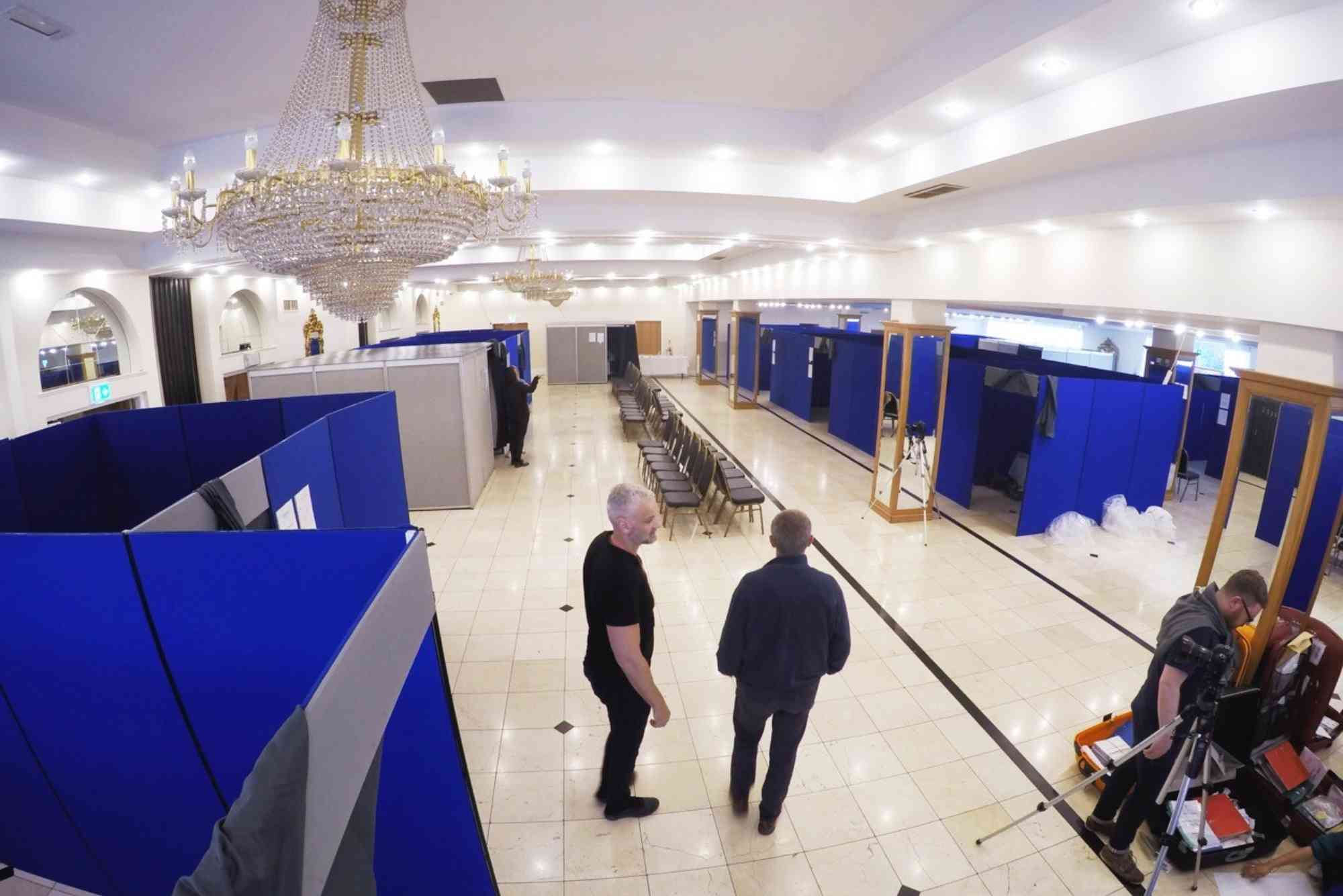
The OSCE is a practical assessment designed to evaluate communication, diagnostic, and procedural skills. Candidates rotate through multiple stations, each presenting a clinical scenario, patient interaction, or practical task.
To prepare, participate in OSCE workshops or practice sessions with colleagues. Focus on developing clear communication and patient empathy, as these are critical evaluation criteria. Simulate real-life clinical situations to improve your diagnostic reasoning and time efficiency.
Review key examination techniques such as fundoscopy, slit-lamp examination, and visual field assessment. Familiarize yourself with common patient presentations like cataract, diabetic retinopathy, and glaucoma.
Time Management and Consistency
Time management is one of the most important aspects of FRCOPHTH exam preparation. Allocate specific time blocks for each subject and stick to your schedule. Avoid spending too much time on topics you already know. Instead, use that time to strengthen weaker areas.
Regular short breaks during study sessions can improve focus and prevent burnout. The Pomodoro technique, which involves 25-minute focused study periods followed by a 5-minute break, is highly effective. Consistency is more valuable than cramming; study a little every day to maintain steady progress.
Effective Revision Techniques
Revision is where knowledge is consolidated. Summarize key concepts in mind maps and tables for quick recall. Use active recall methods by testing yourself regularly. Flashcards, quizzes, and group discussions are excellent tools for reinforcing memory.
Another useful strategy is spaced repetition. Reviewing material at gradually increasing intervals improves long-term retention. Combine this with practice questions to ensure you can apply concepts in exam scenarios.
Managing Exam Stress and Mental Health
Preparing for the FRCOPHTH exam can be mentally demanding. Balancing work, study, and personal life can lead to exhaustion if not managed properly. It’s essential to take care of your mental well-being during preparation.
Incorporate relaxation techniques like meditation, yoga, or light exercise into your routine. Maintain a healthy diet and get enough sleep to keep your mind sharp. Remember, mental clarity enhances learning efficiency and recall during the exam.
Common Mistakes to Avoid
Many candidates fail the FRCOPHTH exam not because of lack of knowledge, but due to poor strategy. Common mistakes include ignoring the syllabus, over-relying on memorization, neglecting practice questions, and underestimating the OSCE component.
Avoid last-minute studying. Instead, focus on understanding and application. Practice time-bound questions to improve speed. Don’t skip rest days; fatigue can reduce efficiency and affect your performance on exam day.
Final Week Before the Exam
The final week should focus on reviewing summaries, key facts, and high-yield topics. Avoid learning new material during this period. Instead, build confidence through light revision and self-testing. Ensure you have all necessary documents, identification, and exam materials ready.
Sleep well before the exam and approach it with a calm and confident mindset. Trust your preparation and focus on performing your best.
Preparing for the FRCOPHTH exam is a challenging yet rewarding journey. It requires dedication, discipline, and a strategic approach to mastering both theory and practice. By understanding the exam structure, creating a realistic study plan, and using high-quality resources, you can significantly enhance your chances of success. Remember to stay consistent, manage your time wisely, and maintain a healthy balance between study and rest.
Achieving success in the FRCOPHTH exam is not just about passing a test; it’s about demonstrating your commitment to excellence in ophthalmology. Start your preparation today, stay focused, and take confident steps toward becoming a Fellow of the Royal College of Ophthalmologists. Begin your FRCOPHTH exam preparation journey now. Explore official resources, join study groups, and plan your strategy early to secure your success in ophthalmology.
Frequently Asked Questions
How long does it take to prepare for the FRCOPHTH exam?
Most candidates need between 6 to 12 months of consistent study, depending on their background and experience.
What are the passing rates for the FRCOPHTH exam?
The passing rate varies by part, but typically ranges between 40% and 60%. Proper preparation significantly improves your chances of success.
Can I work while preparing for the FRCOPHTH exam?
Yes, many candidates prepare while working. However, effective time management and a structured schedule are essential.
Is the FRCOPHTH recognized internationally?
Yes, the FRCOPHTH qualification is globally recognized and respected in the field of ophthalmology. It can open career opportunities in many countries.
What is the best way to prepare for the OSCE?
Practice with peers, attend mock OSCE sessions, and focus on communication and practical skills. Familiarity with clinical procedures is key.