
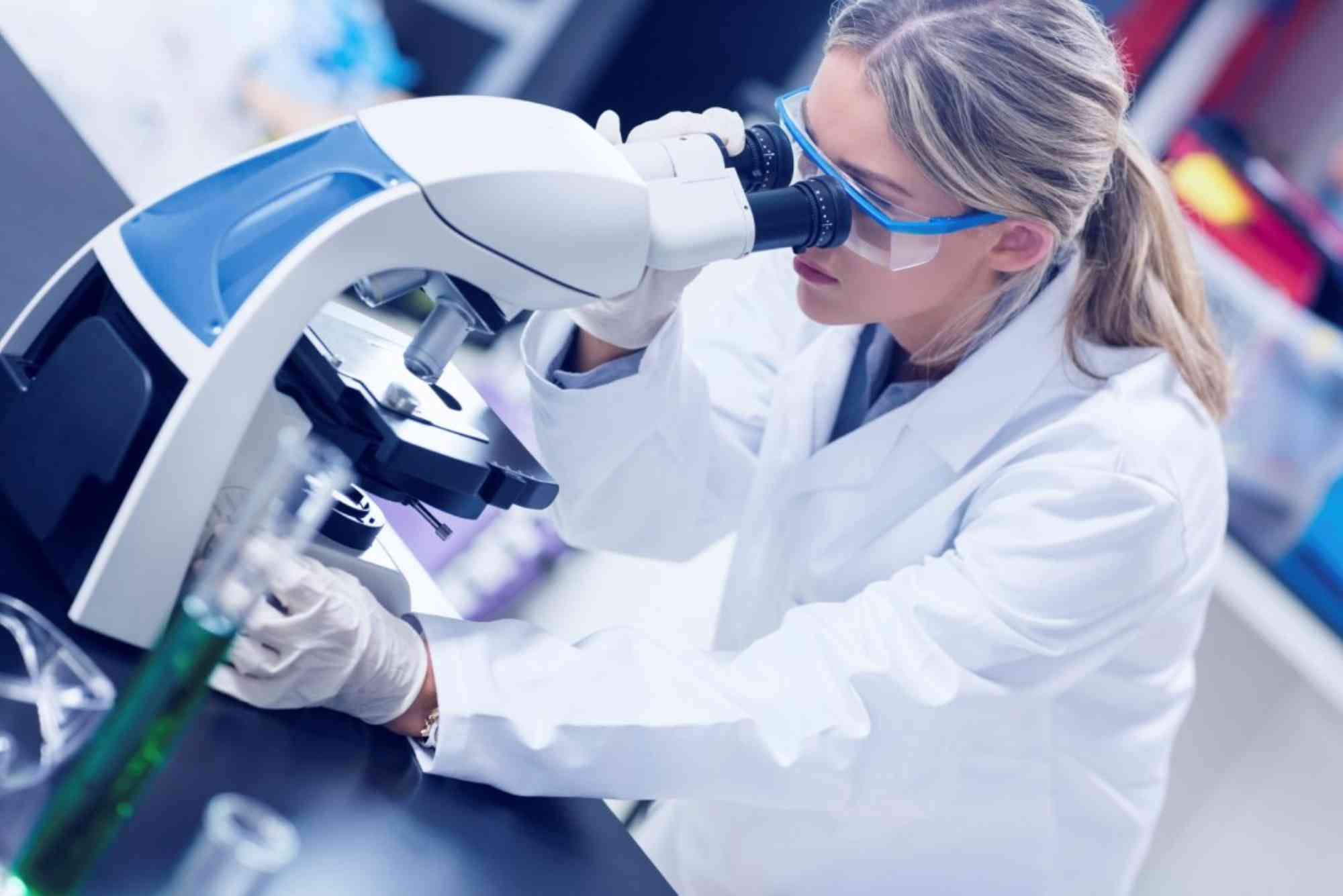
Forensic Science and Technology: How Tech Solves Crimes
The intersection of forensic science and technology is transforming how law enforcement agencies investigate and solve crimes. In today’s digital age, criminals have become more sophisticated. Fortunately, so have the tools used to catch them. From crime scene analysis to digital data extraction, forensic experts rely on advanced technologies to uncover evidence, establish facts, and support justice.
Understanding Forensic Science and Technology
Forensic science refers to the application of scientific methods to investigate crimes. It includes the analysis of physical evidence such as fingerprints, blood, hair, and DNA. Forensic technology, on the other hand, involves tools, machines, and digital systems that enhance the capabilities of forensic scientists. Together, they form a powerful duo that aids law enforcement in identifying suspects, reconstructing crime scenes, and proving guilt or innocence in court.
The Role of Technology in Forensic Investigations
Technology has revolutionized every aspect of criminal investigation. It allows experts to process evidence faster, with greater accuracy, and even revisit cold cases from decades ago. In the past, investigations relied heavily on eyewitness testimony, which can be unreliable. Today, science and data speak louder than words.
DNA Profiling and Genetic Forensics
DNA analysis is one of the most impactful developments in forensic science. It allows investigators to identify individuals with nearly 100% accuracy. Small samples from blood, saliva, or hair can be enough to create a DNA profile. Technological advancements like Rapid DNA instruments now allow testing at the scene within hours instead of days. Moreover, genealogical DNA databases have helped solve decades-old cases by identifying suspects through distant relatives.
Fingerprint Identification and Biometric Tools
Fingerprint analysis remains a cornerstone of forensic investigations. Modern biometric technology has enhanced this process with Automated Fingerprint Identification Systems (AFIS). These systems compare fingerprints from crime scenes against large databases in minutes. In addition to fingerprints, facial recognition and iris scans are now used in many jurisdictions to track down or confirm the identity of individuals.
Digital Forensics and Cybercrime Investigation
As crimes have moved online, forensic science and technology have had to adapt. Digital forensics involves recovering and analyzing data from devices such as smartphones, laptops, servers, and even cloud platforms. Deleted messages, internet history, GPS logs, and encrypted files can often tell investigators more than traditional evidence. Experts in this field work with software tools to decrypt, trace, and recover digital trails that suspects leave behind.

Ballistics and Firearms Analysis
Ballistics is the science of projectiles and firearms. Using high-tech comparison microscopes and 3D imaging, forensic scientists can match bullets or shell casings to a specific weapon. The National Integrated Ballistic Information Network (NIBIN) allows experts to compare ballistics data across jurisdictions, helping to identify patterns and serial crimes.
Forensic Imaging and 3D Crime Scene Reconstruction
Modern crime scene analysis has gone beyond sketchpads and photos. With 3D scanning technology and photogrammetry, forensic investigators can recreate crime scenes in a virtual environment. This allows them to visualize bullet trajectories, examine line of sight, and test theories in a controlled digital setting. These reconstructions are also persuasive tools in courtrooms, helping jurors understand complex events clearly.
Toxicology and Chemical Analysis
Forensic toxicology involves testing bodily fluids and tissues for drugs, alcohol, poisons, or other chemicals. Advanced chromatography and mass spectrometry technologies allow toxicologists to detect minute traces of substances that may explain a person’s behavior, cause of death, or incapacitation. In drug-related crimes or suspicious deaths, toxicology plays a key role in providing scientific proof.
Real-World Examples of Tech-Supported Forensics
In recent years, multiple high-profile cases have been solved with the help of technology. The infamous Golden State Killer case was cracked using genetic genealogy, where DNA from a crime scene was matched to a distant relative in a public database. Investigators then built a family tree that led to the suspect.
In another case, digital forensics experts uncovered deleted text messages and GPS data that placed a suspect at the crime scene, ultimately leading to a conviction. These examples show the power of combining forensic science and technology in delivering justice.
Challenges in Tech-Driven Forensics
Despite its strengths, the field of forensic science and technology faces several challenges. First is the risk of data contamination or misinterpretation. DNA, for instance, is highly sensitive and can be transferred unintentionally. Digital evidence can be altered or encrypted, making recovery difficult.
Another issue is the gap between technology and regulation. Legal frameworks often lag behind technological advancements, which raises questions about the admissibility of evidence in court. Additionally, there are privacy concerns regarding biometric data and genetic information, especially when collected from public databases.
Finally, the field requires continuous training. Forensic professionals must stay updated with new tools, protocols, and legal standards. A mistake in analysis or reporting can compromise a case and even allow a guilty person to walk free.
The Future of Forensic Science and Technology
Looking ahead, the future of forensic science and technology appears even more promising. Artificial Intelligence (AI) is being integrated into forensic tools to analyze patterns, detect anomalies, and predict criminal behavior. Machine learning algorithms can sort massive amounts of digital data quickly, helping investigators focus on relevant leads.
Wearable technology and body cams are improving transparency and accountability in evidence collection. Drone-based surveillance and LIDAR technology may also play a role in mapping and analyzing large crime scenes.
Quantum computing could eventually unlock new frontiers in encryption-breaking and rapid data processing, which would be especially useful in cybercrime investigations. As these innovations emerge, they will bring faster and more reliable tools to the frontlines of crime-solving.
Technology as a Partner in Justice
In conclusion, forensic science and technology work hand-in-hand to solve some of the world’s most complex crimes. From DNA analysis to digital forensics and 3D reconstructions, technology enhances accuracy, speeds up investigations, and delivers undeniable evidence in the courtroom. While there are challenges in data handling and legal integration, the benefits outweigh the risks. As tech evolves, so does the capability of forensic teams to bring truth to light and ensure justice prevails.
(FAQs)
What is forensic science and how does technology support it?
Forensic science uses scientific methods to analyze crime scene evidence. Technology supports it through tools like DNA analyzers, fingerprint databases, and digital forensics software that increase accuracy and efficiency.
How does digital forensics help in solving crimes?
Digital forensics involves recovering data from electronic devices. It helps solve crimes by uncovering deleted files, tracking online activity, and retrieving communication records, all of which can be crucial in criminal investigations.
Can forensic technology solve cold cases?
Yes, many cold cases have been solved through advancements in DNA testing and database technologies. Even decades-old evidence can now be re-analyzed with modern tools to identify suspects or confirm innocence.
Is forensic evidence always accurate?
While highly reliable, forensic evidence isn’t infallible. Errors can occur due to contamination, human mistakes, or misinterpretation. That’s why cross-validation, proper protocols, and expert testimony are critical.
What role does AI play in forensic science?
AI assists in pattern recognition, facial recognition, and data analysis in forensics. It helps speed up investigations and can uncover connections in complex cases that might be missed by humans.
Are there privacy concerns with forensic technology?
Yes, especially with the use of genetic databases and biometric data. Ensuring consent, data protection, and regulatory compliance is essential to balance justice with individual rights.