
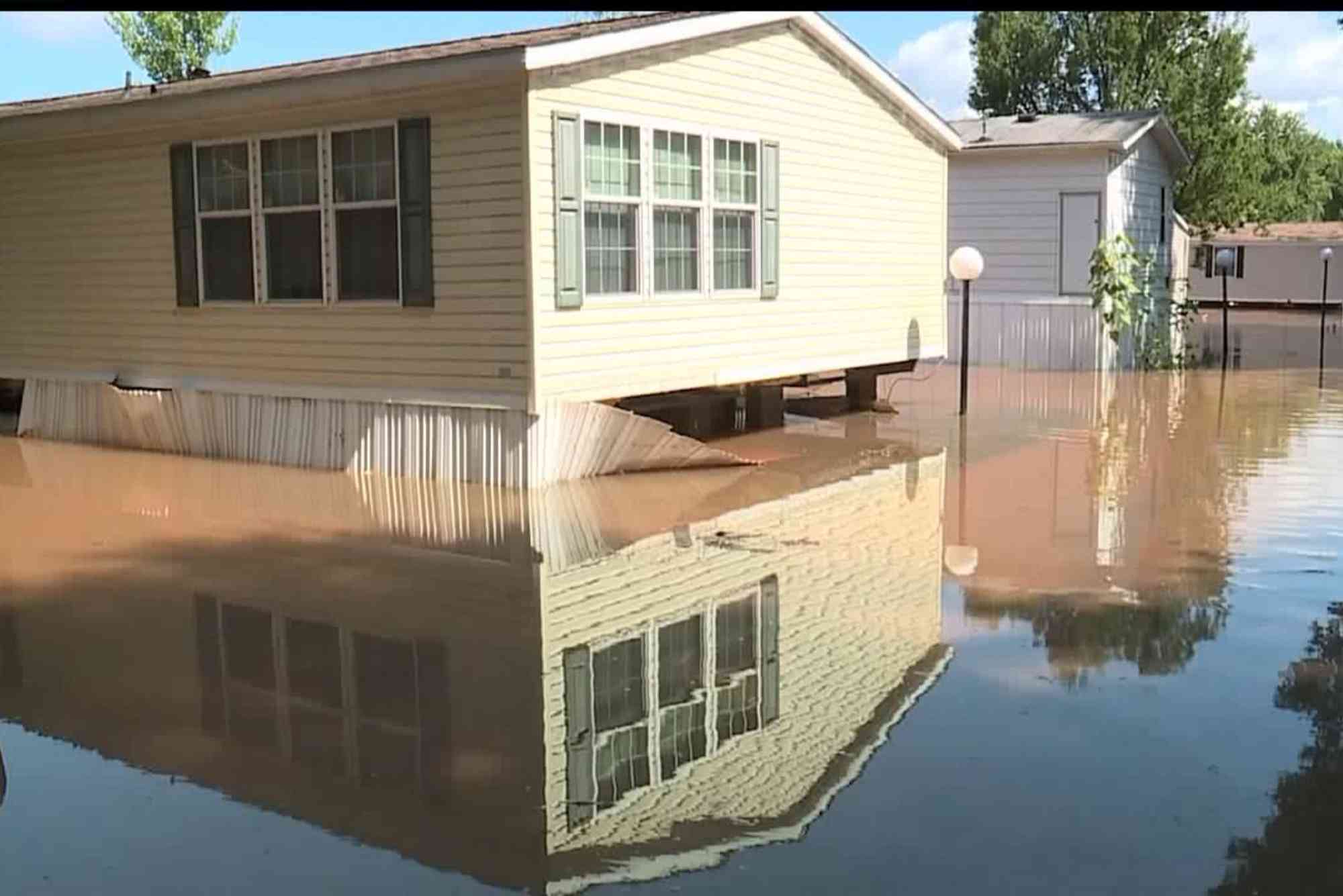
Flood Mobile Homes: Safety and Precautions You Should Know
Flooding is one of the most destructive natural disasters, and its impact is often devastating for people living in mobile homes. Unlike traditional houses, mobile homes are more vulnerable to water damage because of their lightweight structure, lower elevation, and placement in flood-prone areas. If you own or live in a mobile home, understanding the risks and taking the right precautions can make a significant difference in keeping your property and family safe. In this detailed guide, we will explore the realities of flood mobile homes, the safety measures you should adopt, and the precautions that will help you prepare for emergencies.
Understanding the Risks of Flood Mobile Homes
Mobile homes are built differently than site-built homes. While they are cost-effective and flexible, they are less resilient when it comes to natural disasters, especially flooding. One of the main risks is that floodwaters can easily seep into the undercarriage, damaging the foundation, flooring, and electrical systems. Because most mobile homes are not elevated far from the ground, they face a higher risk of being quickly surrounded by water. Additionally, once the structure is weakened by moisture, it becomes more prone to collapse, mold growth, and long-term structural damage. This makes flood mobile homes a top concern for both homeowners and insurers in high-risk areas.
Why Mobile Homes Are More Vulnerable to Flooding
Several factors contribute to the vulnerability of mobile homes in floods. First, many mobile homes are placed in rural or low-lying areas where zoning laws may not require elevated foundations. Second, the lightweight frame of mobile homes makes them susceptible to shifting or even floating if floodwaters rise quickly. Third, the materials used in mobile home construction—such as particleboard or thin plywood—are less resistant to water than those in traditional homes. Finally, mobile homes often lack adequate drainage systems, meaning water collects rapidly underneath, weakening the skirting and flooring.
Safety Precautions for Flood Mobile Homes
When it comes to flood mobile homes, safety should always come first. Knowing what to do before, during, and after a flood can save lives and reduce damage.
Preparing Before a Flood
Preparation is the most effective defense against flooding. Start by identifying whether your home is in a floodplain. The Federal Emergency Management Agency (FEMA) offers maps that show flood-prone zones, and many local authorities provide similar resources. If your mobile home is in a flood-risk area, consider elevating it on concrete blocks or piers. Even an additional two to three feet of elevation can make a huge difference in reducing water damage.
It is also essential to create a flood emergency plan for your household. This includes identifying safe evacuation routes, preparing a go-bag with important documents, medications, food, water, and flashlights, and knowing where the nearest shelter is located. Secure mobile home skirting and ensure that tie-downs are properly anchored, as strong floodwaters combined with wind can destabilize the structure.

Insurance is another critical step. Standard homeowner’s insurance typically does not cover flood damage. You will need to purchase flood insurance separately through the National Flood Insurance Program (NFIP) or private insurers. Having the right policy in place provides financial protection when repairs or replacement are necessary.
During a Flood
If a flood warning has been issued, act quickly. Always prioritize safety over property. Shut off electricity and gas before leaving the mobile home. Water and electricity are a dangerous combination, and turning off utilities reduces the risk of fire or electrocution. Never attempt to ride out a flood inside a mobile home, no matter how minor it may seem. Mobile homes are not designed to withstand rising water or fast-moving currents. Evacuate as soon as possible to higher ground or a designated shelter.
If you find yourself trapped, move to the highest point in your mobile home and call emergency services. However, this should be a last resort. Experts strongly advise evacuating mobile homes well before floodwaters arrive.
After a Flood
The aftermath of flooding can be just as dangerous as the event itself. Before re-entering your mobile home, wait for official clearance that it is safe. Structural damage, contaminated water, and mold growth pose serious risks. If you must enter, wear protective clothing, rubber boots, and gloves.
Inspect the foundation, flooring, and walls for cracks or warping. Electrical systems are often compromised in flood mobile homes, so have a licensed electrician evaluate the wiring before turning the power back on. Remove wet furniture, carpets, and insulation immediately, as they trap moisture and lead to mold within 24–48 hours. Document all damage with photos and videos for insurance claims. Taking detailed notes will help expedite reimbursement and repairs.
Long-Term Precautions to Protect Flood Mobile Homes
While immediate precautions are critical, long-term strategies can greatly improve the resilience of your mobile home. Elevating the home on reinforced piers or stilts provides lasting protection against repeat floods. Installing proper drainage systems around the property, such as French drains or sump pumps, helps redirect water away from your home. Consider using water-resistant materials like treated wood, vinyl flooring, or cement board during renovations.
Regular maintenance is also key. Inspect the skirting around your home for cracks or holes that allow water to enter. Ensure tie-downs and anchors are strong enough to resist shifting during floods. Reinforcing your foundation with concrete footings can also improve stability.
Another long-term precaution is building a flood barrier or levee around your property. While this may not completely stop water, it can reduce the severity of flooding and buy valuable evacuation time. Pairing these physical changes with consistent emergency planning ensures that you and your family remain ready for any future flood events.
Health Hazards of Flood Mobile Homes
Flooding in mobile homes is not only a structural problem but also a health hazard. Floodwaters often carry sewage, chemicals, and bacteria that contaminate everything they touch. Mold growth begins quickly in damp materials, releasing spores that trigger respiratory issues and allergies. For children, elderly residents, and people with compromised immune systems, these conditions can be life-threatening.
If your mobile home has been flooded, avoid using tap water until authorities confirm it is safe. Disinfect surfaces with bleach solutions and wear masks during cleanup to minimize inhaling mold spores. Health professionals often recommend replacing porous materials like mattresses and upholstered furniture, as they cannot be fully sanitized.
Cost of Repairing Flood Mobile Homes
The financial toll of repairing a flood-damaged mobile home can be overwhelming. Minor flooding may only require replacing flooring or drywall, but severe flooding often means replacing electrical systems, plumbing, and insulation. In some cases, repairing the damage costs more than purchasing a new mobile home. This is why flood insurance is crucial. Without it, many homeowners face devastating losses that are difficult to recover from.
Frequently Asked Questions
Are mobile homes safe during floods?
No, mobile homes are not safe during floods. They are highly vulnerable to water damage and structural failure. Evacuation is always the safest option.
Can mobile homes be elevated to prevent flood damage?
Yes, mobile homes can be elevated on piers, stilts, or concrete blocks to reduce flood risk. Elevation is one of the most effective long-term solutions.
Does insurance cover flood damage in mobile homes?
Standard insurance policies do not cover flood damage. You must purchase a separate flood insurance policy through NFIP or private providers.
How long does it take to repair a flood-damaged mobile home?
Repair time depends on the severity of damage. Minor repairs may take weeks, while extensive damage can take months or make the home uninhabitable.
What should I do immediately after a flood in my mobile home?
Wait for clearance before entering, wear protective gear, document damage, remove wet items, and have professionals inspect structural and electrical systems.
Flood mobile homes are among the most at-risk dwellings during natural disasters. Their structure, location, and materials make them especially vulnerable to water damage, health hazards, and costly repairs. However, with preparation, proactive safety measures, and long-term planning, you can reduce risks and keep your family safe. Elevating your home, securing proper insurance, and following emergency evacuation plans are critical steps.